
Peter Pan Collar Maxi Dress: A Vintage Styling Guide
Ask any collector of mid-century British fashion what single detail transforms a simple dress into something quietly memorable, and many will point to the Peter Pan collar. That small, rounded, flat collar—named after the iconic collar worn by Maude Adams in the 1905 stage production of Peter Pan—has drifted in and out of favour for over a century. When paired with a maxi dress, the combination becomes a study in graceful proportion: the demure collar frames the face, while the long, sweeping skirt anchors the silhouette. For readers who treasure vintage accessories for the hair, this dress offers a perfect canvas—a garment that asks for nothing loud, yet welcomes thoughtful detail.
The Peter Pan Collar: A Brief History in British Fashion
The collar’s journey begins in Edwardian England. Originally a children’s fashion staple, it was adopted by women in the 1920s as part of the “flapper” rebellion against stiff, high-necked Victorian styles. Its soft, rounded edges and lack of lapels gave a youthful, almost innocent air. By the 1930s, the Peter Pan collar had become a fixture on day dresses and blouses, often rendered in crisp white cotton or delicate lace. The post-war years saw a revival, particularly in the 1950s when designers like Christian Dior incorporated it into their New Look collections, and again in the 1960s as part of the “mod” aesthetic. In Britain, the collar became synonymous with a certain understated elegance—think of the dresses worn by the Queen as a young woman, or the schoolgirl pinafores that later inspired punk reinterpretations.
Today, the Peter Pan collar maxi dress is a favourite among vintage enthusiasts and slow-fashion advocates. It offers the charm of a bygone era without the impracticality of a full period costume. The key is in the details: the collar should lie flat, the edges should be clean (often with a subtle picot trim), and the fabric of the dress should drape well to maintain the line from collar to hem.
Why the Maxi Dress Silhouette Works with a Vintage Collar
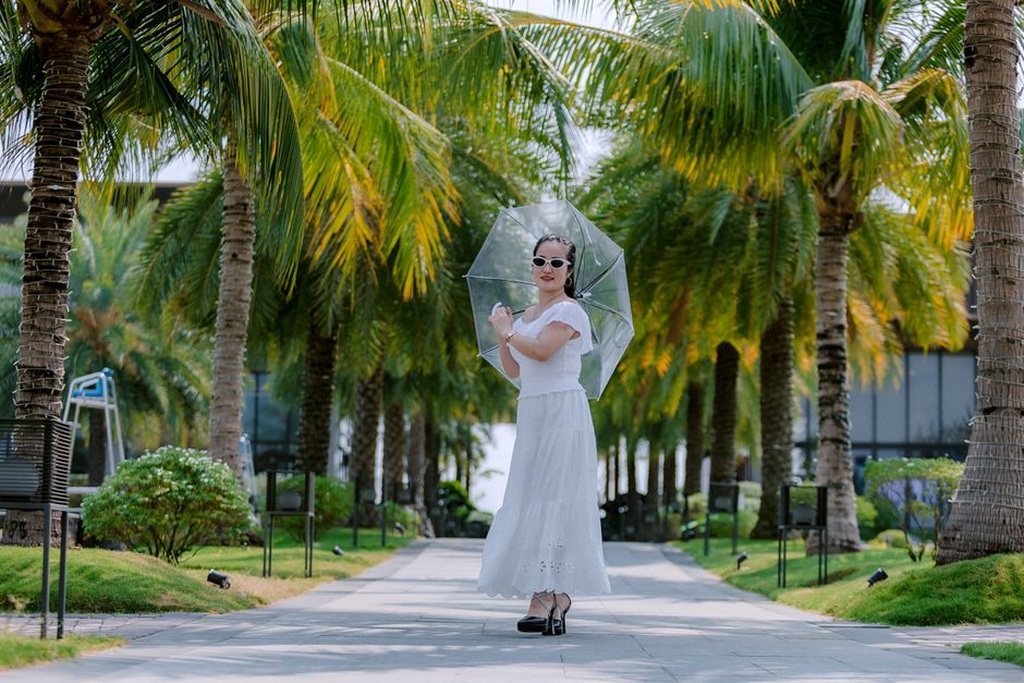
The maxi dress as we know it emerged in the late 1960s, a direct counterpoint to the mini skirt. Designers like Ossie Clark and Bill Gibb in Britain championed long, flowing shapes that moved with the body. The Peter Pan collar, with its precise, almost architectural shape, provides a focal point at the neckline, balancing the expanse of fabric below. This contrast is what makes the combination so visually satisfying: the collar anchors the eye, while the skirt creates a sense of movement.
When selecting a Peter Pan collar maxi dress for a vintage-inspired wardrobe, pay attention to the collar’s width. A collar that is too narrow can get lost in the length of the dress; one that is too wide can overwhelm a petite frame. The ideal sits just outside the shoulder line, framing the collarbone without extending past the shoulder seam. Also consider the neckline: a Peter Pan collar works best on a jewel neckline or a shallow scoop. It is rarely successful on a deep V-neck, as the collar’s rounded shape clashes with the angular openness.
Styling with Vintage Hair Accessories: Creating a Cohesive Look
Here is where the worlds of the dress and the hair accessory meet. A Peter Pan collar maxi dress has a distinctly feminine, almost nostalgic quality. It calls for hair accessories that echo that sensibility without competing for attention. A simple mother-of-pearl hair claw, for instance, can hold a low chignon at the nape of the neck, allowing the collar to remain visible. The Emily Lace Collar—an Edwardian-inspired hair accessory that mimics the delicate lace of a vintage collar—is a natural companion, worn as a headband or woven into a braid. The lace motif ties directly to the collar’s own history, creating a subtle echo that feels intentional rather than costume-like.
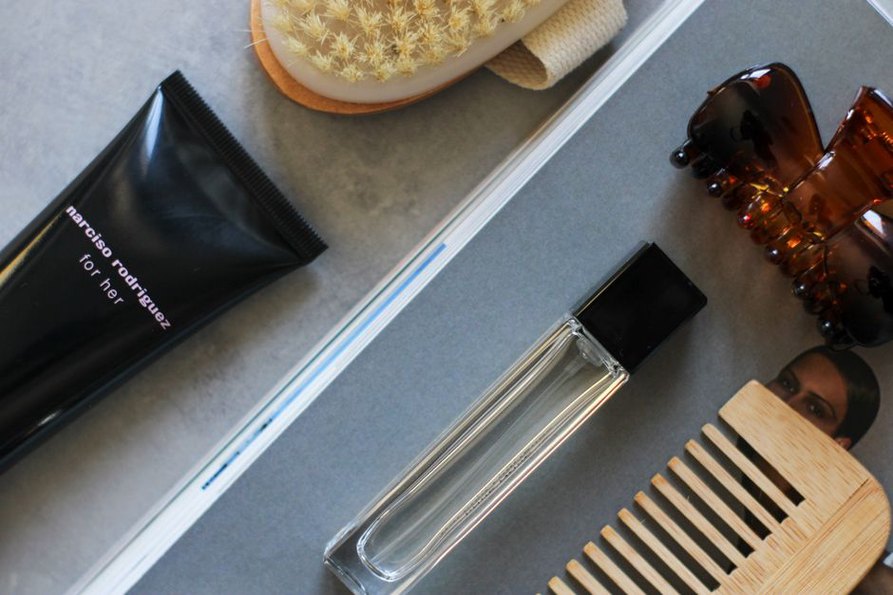
For readers who prefer a more modern interpretation, consider a braided headband. The Georgia Maxi Braided Headband in Green, with its thick, textured weave, adds a touch of 1970s bohemian spirit to a dress that might otherwise feel too prim. The green shade works particularly well with floral-print maxi dresses or solid cream or navy fabrics. Alternatively, a single vintage barrette—perhaps a small daisy or a tortoiseshell clip—placed at the temple can draw the eye up towards the collar, completing the frame of the face.
Fabrics, Patterns, and Seasonality
The versatility of the Peter Pan collar maxi dress lies in its fabric choices. For spring and summer, look for lightweight cottons, eyelet lace, or seersucker. These fabrics hold the collar’s shape without stiffness. Floral prints from the 1960s and 1970s—especially small-scale Liberty prints—pair beautifully with the collar’s quaint charm. For autumn and winter, heavier fabrics like wool crepe, velvet, or corduroy give the dress structure. A velvet Peter Pan collar maxi dress in deep burgundy or forest green can be worn with a chunky knit cardigan and a velvet scrunchie for a cosy yet refined look.
Pattern placement matters more than one might think. Because the collar is a separate piece—often cut on the bias or as a separate facing—the print on the dress body should not clash with the collar’s plain fabric. Many vintage examples use a solid white or cream collar against a patterned bodice. If the collar itself is printed (say, a floral on a white ground), keep the dress body in a solid colour that picks up one of the floral tones.
Care and Preservation of a Peter Pan Collar Maxi Dress
Vintage and vintage-inspired dresses require gentle handling. The collar is often the first part to show wear—yellowing on white cotton, fraying at the edges, or loss of crispness. For cotton collars, hand-wash in cool water with a mild soap, then lay flat to dry. Never wring the collar; instead, press it gently between towels to remove excess moisture. Iron while still slightly damp, using a medium heat and a pressing cloth to avoid shine. For lace collars, use a mesh wash bag and a delicate cycle, or hand-wash with a gentle detergent. Starch can restore crispness, but use it sparingly—over-starching can attract dirt and cause fibres to break over time.
Storage is equally important. Hang the dress on a padded hanger to prevent creasing at the shoulders, and cover it with a breathable garment bag. Avoid plastic dry-cleaning bags, which trap moisture and can cause yellowing. If the collar has any metal fasteners (such as snap closures or hooks), check them for rust before storing.
Where to Find Authentic Vintage Peter Pan Collar Maxi Dresses
For British readers, the hunt is part of the pleasure. Charity shops in affluent areas, vintage fairs, and online marketplaces like Depop and Etsy are rich sources. Look for labels such as Horrockses, Laura Ashley (1980s revival pieces), or Biba (though Biba rarely used Peter Pan collars, some early pieces did). Pay attention to the collar’s construction: a genuine vintage dress will have a collar that is sewn into the neckline seam, not glued or fused. The stitching should be even, and the fabric of the collar should match the body in weight if not in colour.
One practical tip: measure the collar width from the centre front to the edge. Many vintage dresses have collars that are surprisingly narrow by modern standards—often only 5 to 7 centimetres at the widest point. If you prefer a more dramatic collar, look for 1960s “peter pan” styles that were sometimes enlarged to almost a sailor-collar size. The 1970s also produced a hybrid—a Peter Pan collar with a small keyhole opening at the front, often fastened with a single button.
Pairing with Contemporary Wardrobe Staples
The Peter Pan collar maxi dress need not live exclusively in the vintage realm. A modern version can be dressed down with a leather jacket and ankle boots, or dressed up with a string of pearls and a velvet headband. The key is to let the collar speak—avoid necklaces that sit on top of it, as they disrupt the clean line. Earrings, however, can be bold: a pair of vintage clip-on earrings in gold or enamel draws the eye without competing with the collar. And for the hair, a low side braid or a half-up style with a small claw clip keeps the focus on the dress’s neckline.
When the weather turns cool, layer a fine-knit cashmere cardigan over the dress, buttoned just below the bust. The cardigan’s neckline should be high enough not to hide the collar; a scoop-neck or V-neck cardigan works best. Alternatively, a cropped jacket—a bolero or a boxy tweed—can sit above the collar, leaving it fully exposed.
Ultimately, the Peter Pan collar maxi dress is a lesson in restraint. It does not shout; it invites closer looking. And for those who collect vintage hair accessories, it offers a rare opportunity to let those small treasures shine—a clip, a headband, a comb—each one a quiet conversation between the collar and the crown.