
The Pebble Barrette in Royal Blue: A Vintage Hair Accessory Worth Treasuring
There is a particular weight to a well-made pebble barrette—a smooth, satisfying solidity that sits in the palm like a river stone worn by centuries of water. When that barrette is finished in a deep, unapologetic royal blue, it becomes something more than a functional clip: it is a quiet statement of colour and craft. For British collectors of vintage hair accessories, the pebble barrette in royal blue represents a sweet spot between the sculptural minimalism of the 1960s and the bold palette of the 1980s revival. Understanding its origins, materials, and care will help you wear it with confidence and keep it beautiful for decades.
What Makes a Pebble Barrette a Pebble?
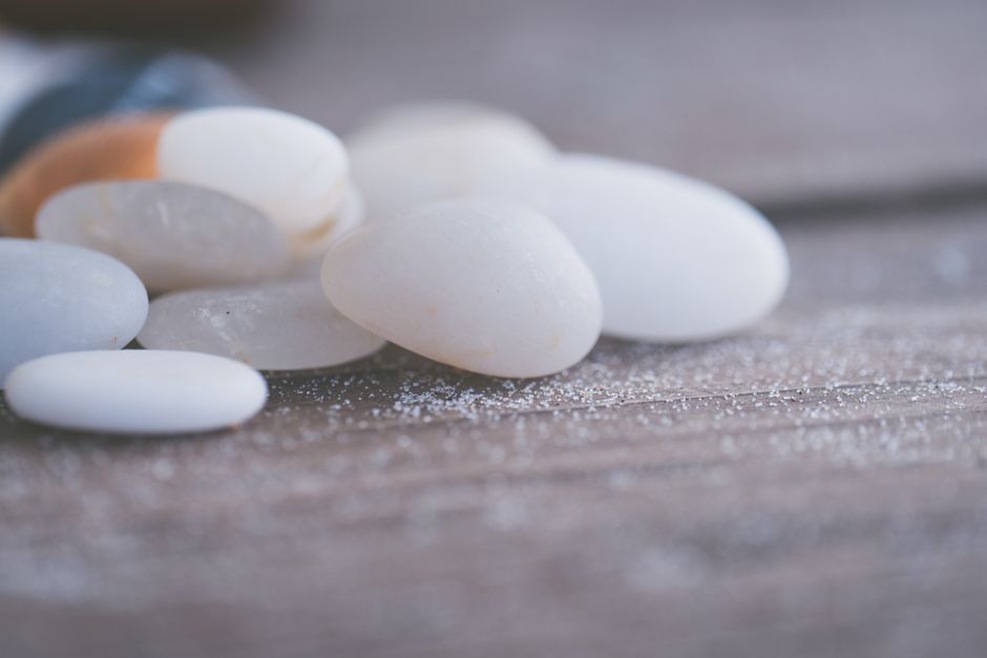
The name comes from the silhouette: a rounded, often asymmetrical organic form that mimics the shape of a smooth pebble. Unlike geometric clips or angular combs, the pebble barrette is designed to feel natural in the hand and unobtrusive in the hair. The spring mechanism is usually hidden inside the body, leaving the top surface completely unbroken. In royal blue, this seamless shape becomes a jewel-like accent—eye-catching yet refined.
Vintage examples from the 1960s and 1970s were typically moulded from acrylic or early thermoplastics, materials that allowed for deep colour saturation and a glossy finish. The best specimens retain a subtle translucency; when held to the light, the royal blue glows like stained glass. Later versions from the 1980s sometimes used resin with a slightly pearlescent sheen, but the pure opaque blue remains the most sought-after by collectors.
The British Story: Why Royal Blue?
Royal blue has a particular resonance in British fashion history. It is the blue of the Union Jack’s field, of royal warrants, of the Garter Star. In the 1960s, designers such as Biba and Mary Quant used rich, saturated blues to break away from postwar palettes of beige and grey. Hair accessories followed suit. The pebble barrette in royal blue emerged as a democratic accessory—affordable enough for a shop girl, elegant enough for a lunch at Fortnum’s.
Many were produced by small British manufacturers who specialised in combs and clips. Unlike French or American makers who favoured intricate filigree, British pebble barrettes were deliberately simple. The beauty lay in the quality of the material and the precision of the curve. A genuine vintage piece will show a slight asymmetry—a hand-finished edge, a barely perceptible variation in the dome—that no modern mass-production can replicate.
Materials and Craftsmanship
The majority of vintage royal blue pebble barrettes are cellulose acetate or acrylic. Cellulose acetate has a warmer feel and a characteristic faint smell of camphor when warmed by the hand. Acrylic is cooler to the touch and more glass-like. Both are durable if handled with care. Look for a barrette where the colour runs uniformly through the material—surface-painted pieces will chip over time, while solid-colour acrylic can be polished back to life.
The spring mechanism is almost always a metal tension spring encased in a metal or plastic tube. A well-preserved barrette should snap open and closed with a firm, clean action. Gritty or loose springs can sometimes be repaired by a jeweller, but the easiest way to maintain function is to avoid bending the barrette open too far—treat it as a precise tool, not a hair clamp.
Styling the Royal Blue Pebble Barrette Today
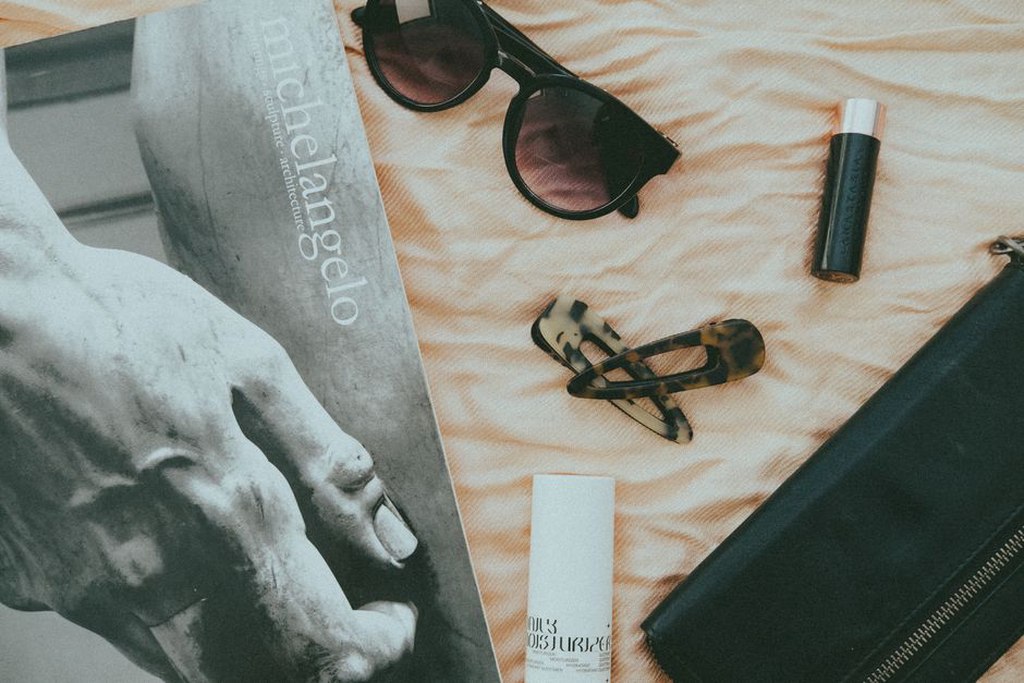
The beauty of this accessory is its versatility. Royal blue works as a neutral in the hair—it reads as an accent rather than a costume. Here are three ways to wear it:
- Low side sweep: Gather hair to one side and secure with the pebble barrette about two inches above the nape. The round shape breaks up a sleek line without the stiffness of a metal clip.
- Half-up crown: Pin back the top section of hair from ear to ear, positioning the barrette at the crown. The royal blue catches the light against darker hair or provides a striking contrast against blonde or grey.
- Textured bun: Create a messy low bun and slide the pebble barrette into the side as an anchor. It holds surprisingly well if the hair has enough grip—second-day waves are ideal.
Pair the barrette with a crisp white shirt, a navy blazer, or even a vintage-inspired print. For a more daring look, combine it with other royal blue accents—a scarf, a handbag, or shoes—but keep the rest of the outfit restrained. The barrette should be the focal point, not one of many.
Caring for Your Pebble Barrette
Vintage acrylic and cellulose acetate are sensitive to heat and UV light. Avoid leaving the barrette on a sunny windowsill or in a car on a warm day. Prolonged exposure can cause fading or warping. To clean, use a soft, dry cloth; if there is product residue, a slightly damp cloth with a drop of mild soap followed by immediate drying is safe. Never soak a barrette—water can corrode the internal spring.
Store pebble barrettes in a lined box or a soft pouch, separately from metal pieces that could scratch the surface. If the royal blue begins to look dull, a tiny amount of mineral oil on a microfibre cloth can restore some lustre—test on an inconspicuous area first.
Collector’s Notes
When hunting for a royal blue pebble barrette, pay attention to the colour. The most desirable shads are a deep cobalt—not too dark, not too turquoise. Look for maker’s marks: some British pieces are stamped with “England” or a small logo on the underside of the spring mechanism. The absence of a mark does not mean it is inferior, but marked pieces from known makers such as M. & S. (Moss & Stone) or R. R. (Roth & Rosen) tend to fetch higher prices among collectors.
If you are adding a modern reproduction to your collection, choose a barrette made from solid cast resin or high-quality acrylic rather than injection-moulded plastic that feels hollow. The weight and colour density are the best guides—the piece should feel substantial and the blue should be rich, not washed out. For a deeper dive into collecting other British hair accessory classics, our guide to The Elena Hair Clip: A Collector’s Guide to an Elusive 1980s British Accessory offers similar insights into provenance and condition evaluation.
A Final Practical Note
Before you buy a vintage pebble barrette in royal blue, check the spring tension by opening and closing it a few times. If it feels weak or sticks, ask the seller if it has been serviced. Remember that a well-cared-for acrylic piece can last another lifetime, but a broken spring is difficult to replace. For everyday wear, keep a second, simpler barrette in your bag as a backup—especially if you are wearing the royal blue piece to an event where losing it would be a disappointment.