
Silk Kaftans and Vintage Hair Accessories: A Styling Guide
When you slip a silk kaftan over your shoulders, the first thing you notice is the weight—or rather, the lack of it. A good silk kaftan drapes like water, moving with you rather than against you. For those of us who collect and wear vintage hair accessories, the kaftan offers something more than a breezy summer garment. It offers a canvas. The neckline frames a carefully chosen piece—a tortoiseshell clip, a satin bow barrette, a gilded comb—and suddenly the whole outfit speaks a language of considered ease. This article explores the silk kaftan not as a standalone statement, but as a partner to the hair accessories we treasure, from the 1960s jet-set era to today's conscious wardrobe.
What Makes a Silk Kaftan Distinct from Other Kaftans
The term "kaftan" is often used loosely, covering everything from polyester beach cover-ups to hand-embroidered museum pieces. For the vintage-minded reader, the distinction matters. A genuine silk kaftan—whether made from charmeuse, crepe de chine, or raw silk—behaves differently on the body and interacts with hair accessories in ways that synthetic blends cannot replicate.
- Weight and drape: Silk kaftans typically weigh between 150 and 250 grams per square metre. This gives them enough body to hold a shape without collapsing, yet they remain fluid. A heavy acetate kaftan, by contrast, tends to cling and pull at the shoulders, disturbing the placement of a hair clip or headband.
- Surface texture: The subtle lustre of silk catches light softly, complementing the sheen of satin ribbons or the gloss of a well-polished tortoiseshell comb. Matte synthetic fabrics can make even the most beautiful hair accessory look dull by comparison.
- Breathability: Silk regulates temperature naturally. For summer garden parties or indoor vintage fairs, a silk kaftan keeps you cool without the clamminess that polyester induces, meaning your carefully styled hair—and the accessory holding it—stays fresh longer.
Understanding these properties helps you evaluate a vintage kaftan at a charity shop or estate sale. Turn the garment inside out and hold it up to the light: silk will show an irregular, subtle texture, while synthetics often appear uniformly shiny and flat.
The Kaftan and Hair Accessories: A Styling Partnership
In British vintage circles, the silk kaftan rose to prominence during the 1960s and 1970s, when designers like Thea Porter and Ossie Clark adapted the traditional Middle Eastern robe for London's bohemian elite. These kaftans were often worn with bold hair accessories—oversized tortoiseshell combs, velvet ribbon headbands, and sculptural barrettes—that echoed the era's fascination with ethnic textures and Art Deco revival forms.
Today, the same pairing works beautifully with a modern wardrobe. A simple cream silk kaftan with a narrow neckline provides the perfect backdrop for a statement piece like the Hermione tortoiseshell hair clip, whose warm amber tones echo the natural dyes used in vintage silk prints. If your kaftan features a busy floral or geometric pattern, choose a hair accessory in a solid, neutral colour—black, ivory, or deep navy—to anchor the look without competing.
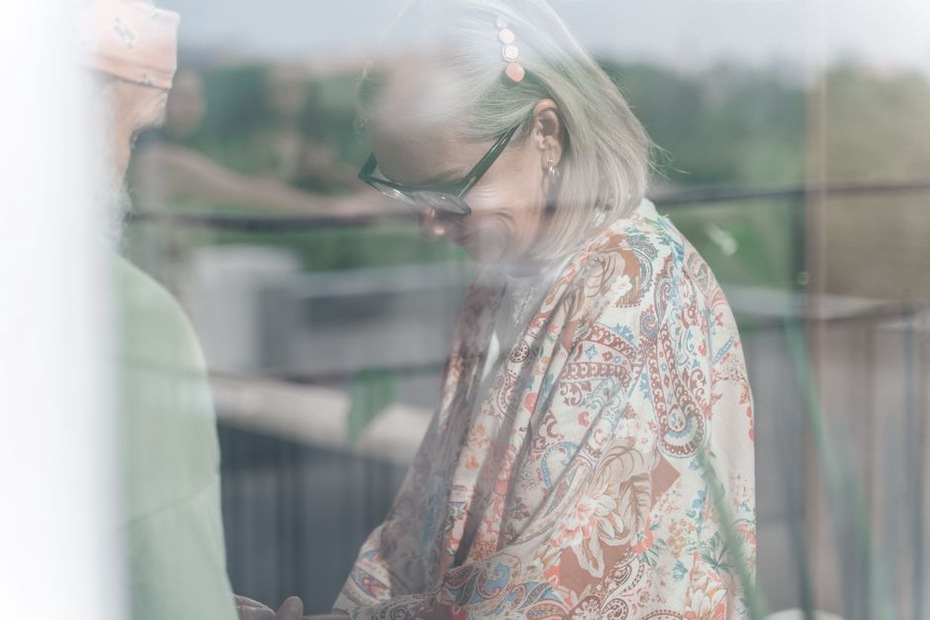
For evening occasions, the kaftan's generous cut allows for more elaborate hair styling. A low chignon secured with a decorative comb, or a side-swept arrangement held by a satin bow barrette, creates a silhouette that feels both glamorous and unstudied. The key is proportion: the kaftan's volume should be balanced by hair that is neatly gathered, not loose and overwhelming. This is where a well-made accessory earns its place.
Identifying Vintage Silk Kaftans: A Practical Guide
Not every silk kaftan is a vintage treasure, but knowing what to look for separates a lucky find from a costly mistake. Here are the markers that matter to a collector of vintage hair accessories—because the garment you choose will influence how your accessories are perceived.
Labels and Makers
British-made kaftans from the 1960s and 1970s often carry labels from small boutiques on the King's Road or Kensington Market. Look for names like "Biba," "Granny Takes a Trip," or "Hung on You." Even without a famous label, a kaftan with hand-rolled hems, French seams, or a centre-back zip is likely well-made and worth considering.
Print and Dye Quality
Vintage silk prints were often screen-printed by hand, resulting in slight irregularities in registration. This is not a flaw—it is a signature of the era. Hold the fabric at an angle; the dye should appear vibrant on the surface without seeping through to the reverse side. Faded or muddy colours suggest poor storage or low-quality dye, which can bleed onto a light-coloured hair accessory if worn together.
Condition of the Silk
Silk is protein-based and can become brittle over time, especially if exposed to sunlight or dry cleaning chemicals. Gently stretch a small section of the fabric between your hands. If it tears easily or shows a network of fine cracks, the silk is compromised. A kaftan in good condition should feel supple and spring back when released. This matters because a fragile garment will not drape properly, and the constant movement of a heavy hair accessory against the neckline could accelerate damage.
Caring for Your Silk Kaftan and Hair Accessories Together
Owning vintage silk and vintage hair accessories means adopting a care routine that respects both materials. Many hair clips and combs contain metal springs, acetate, or cellulose nitrate, each with its own sensitivities. Here are practical steps to keep both in good company.
- Storage: Hang your silk kaftan on a padded hanger in a cool, dark wardrobe. Keep hair accessories in a separate fabric-lined box or drawer—never store them in direct contact with the silk, as metal findings can snag the weave or cause oxidisation stains.
- Wearing order: Put on your kaftan first, then arrange your hair and add the accessory. This prevents the accessory from catching on the fabric as you pull the garment over your head. It also lets you see the final drape before committing to a placement.
- Cleaning: Silk kaftans should be dry-cleaned or hand-washed in cold water with a mild silk detergent. Remove all hair accessories before washing—acetate and tortoiseshell can warp in water, and metal components may rust. After washing, lay the kaftan flat to dry away from direct heat. Reattach accessories only when the garment is completely dry.
- Avoiding perfume and hairspray: Alcohol-based products can discolour silk and dull the finish of a lacquered hair clip. Apply perfume before dressing, and use hairspray sparingly, holding the can at least 30 centimetres from your hair. Better yet, choose a hair accessory that holds your style firmly without additional product—a well-fitted Indiana leopard print headband, for example, keeps hair in place without the need for sprays.
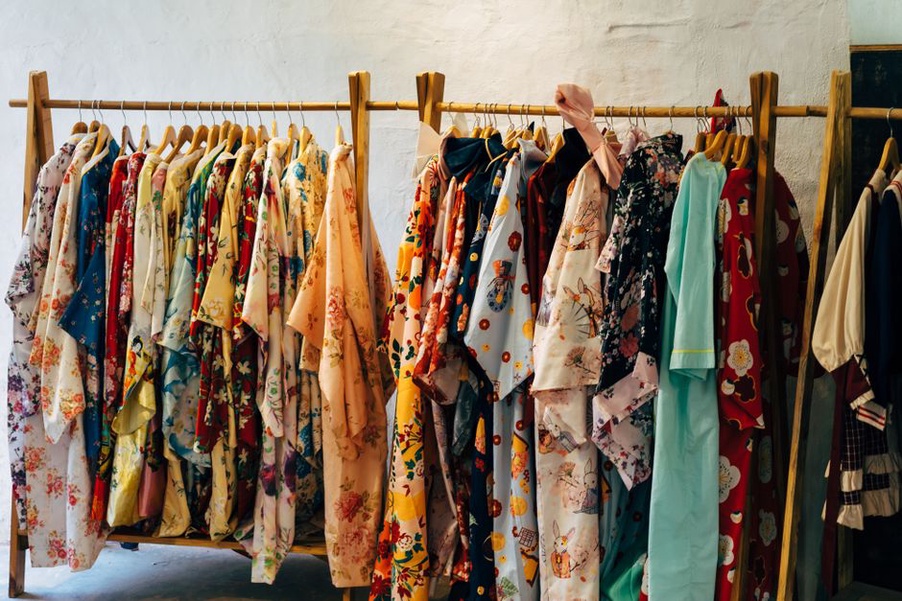
Pairing a Silk Kaftan with Modern Hair Accessories: Three Outfit Ideas
The silk kaftan is not confined to period costume. With thoughtful styling, it works as a contemporary piece that honours its heritage. Here are three ways to integrate it with hair accessories you may already own.
1. The Daytime Kaftan with a Gingham Bow Barrette
A short silk kaftan in a solid colour—sage green, navy, or ivory—paired with a red gingham bow barrette creates a look that is both playful and refined. The barrette adds a touch of British countryside charm, while the silk keeps the outfit elevated. Wear it with flat sandals and a straw bag for a museum visit or a lunch date.
2. The Evening Kaftan with a Silky Bow Barrette
For a dinner or a summer evening event, choose a floor-length silk kaftan in a rich jewel tone—emerald, sapphire, or burgundy. Secure a side-swept section of hair with the Imogen silky bow barrette in pink. The contrast between the deep kaftan colour and the soft pink bow creates a focal point that draws the eye upward, balancing the garment's volume.
3. The Minimalist Kaftan with a Tortoiseshell Clip
A white or cream silk kaftan with clean lines and no embellishment is a blank slate. Gather your hair into a low twist and fasten it with the Hermione tortoiseshell hair clip. The clip's organic pattern adds warmth without clutter. This combination works for almost any occasion, from a gallery opening to a weekend brunch.
Where to Find Vintage Silk Kaftans in Britain
Britain has a rich network of sources for vintage silk kaftans, from charity shops in affluent neighbourhoods to specialist dealers at antique fairs. If you are serious about building a collection that complements your hair accessories, consider these avenues.
- Charity shops in Chelsea and Kensington: Donations from long-time residents often include high-quality garments from the 1960s and 1970s. Visit regularly, as stock turns over quickly.
- Vintage fairs: Events like the Frock Me Vintage Fair in London or the Vintage Home Show in Brighton frequently have dealers specialising in silk and ethnic-inspired clothing. Bring a small magnet to check for metal zippers—a sign of older construction—and a measuring tape to assess the kaftan's length and sleeve width.
- Online marketplaces with caution: When buying online, request photos of the label, the hem finish, and any areas of wear. Ask about the fabric weight—a kaftan described as "silky" may be polyester. Genuine sellers of vintage silk will usually know the fibre content and can provide a burn test result if asked politely.
The silk kaftan is not a mere garment. It is a piece of textile history that, when chosen with care, enhances every hair accessory it accompanies. Whether you are drawn to the free-spirited glamour of the 1970s or the quiet luxury of a hand-printed silk robe, the kaftan rewards the same attentive eye that you bring to your collection of vintage combs and barrettes. Wear it well, and the details will speak for themselves.