
The Sienna Palette: Warm Vintage Hair Accessories from British Fashion
When you hold a vintage hair accessory from the 1950s or 1960s, the colour is often the first thing that speaks to you. Among the soft pinks, navy blues, and forest greens, there is a particular shade of warm reddish-brown that collectors call “sienna.” It is not quite rust, not quite auburn, but a rich, earthy tone that feels both grounded and luminous. In British vintage accessories, sienna appears on everything from tortoiseshell-effect combs to satin headbands and velvet bows. Understanding this colour – its origins, its material counterparts, and how to style it today – can transform your approach to building a cohesive vintage wardrobe.
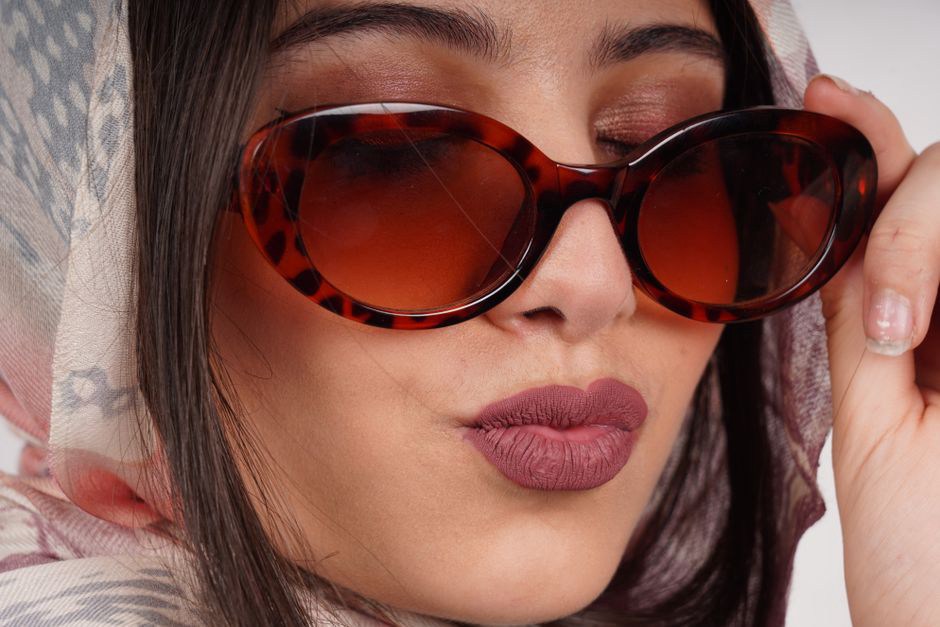
What Is Sienna in the Context of Vintage Hair Accessories?
Technically, sienna is a natural earth pigment containing iron oxide and manganese oxide, first used by artists in the Renaissance. In the world of fashion accessories, it describes a colour family that ranges from a golden-brown terracotta to a deep burnt umber, often with a subtle red undertone. British manufacturers of the mid-20th century frequently used sienna-toned plastics (such as cellulose acetate or casein) to imitate tortoiseshell, and they also dyed silk, velvet, and satin in this hue for bows and headbands. The appeal of sienna lies in its versatility: it pairs beautifully with cream, camel, olive, navy, and even pastel shades, making it a staple in the capsule wardrobe of a vintage enthusiast.
Materials That Carry the Sienna Hue
The most common material for sienna-coloured vintage accessories is cellulose acetate, a plant-based plastic that was widely used in Britain from the 1930s through the 1960s. Unlike modern injection-moulded plastics, cellulose acetate was often hand-finished, and its colour could be layered to create depth. A sienna acetate comb might have subtle streaks of amber or dark brown, mimicking natural tortoiseshell. You can also find sienna in:
- Casein – a milk-protein plastic that takes dye beautifully, often used for small decorative combs and barrettes.
- Velvet and silk – especially for ribbon bows and padded headbands, where the colour absorbs light softly.
- Bakelite – though less common in sienna (Bakelite tends toward darker browns, reds, and black), translucent examples exist from the 1930s.
- Metal with enamel – some vintage hair clips and slides feature a sienna-coloured enamel finish, often paired with gold-toned metal.
Spotting Authentic Sienna in British Vintage Accessories
Because the colour is so close to modern tortoiseshell reproductions, many collectors worry about mistaking a recent piece for a true vintage one. Here are a few details that help you identify a genuine mid-century sienna accessory:
- Patina and wear – vintage cellulose acetate develops a slight haze or micro-crazing over decades, especially on the edges. A new piece will look uniformly glossy.
- Weight – older plastics are denser than modern poly-resin. A sienna acetate comb from the 1950s will feel heavier than a contemporary knock-off of the same size.
- Seam lines – vintage combs were often hand-cut or die-stamped, leaving tiny machine marks. Modern pieces often have smooth, perfectly rounded edges that lack the subtle irregularities of hand-finishing.
- Fastener style – the metal springs or prongs on a 1950s hair clip are usually steel or brass, with visible signs of age. Modern accessories tend to use nickel-plated wire that looks unnaturally bright.

Styling Sienna with a Contemporary Wardrobe
The beauty of sienna is that it doesn’t scream “costume.” It sits comfortably in a modern outfit, adding warmth without looking overly thematic. For a British autumn or spring day, try pairing a sienna velvet bow (like the kind found in the Imogen Silky Bow Barrette family) with a cream cashmere jumper and olive trousers. The bow becomes a subtle accent, not a period piece. If you own a sienna acetate headband, wear it with a navy blazer and white blouse – the colour combination echoes the classic British naval palette but with a softer, earthier twist.
For evening or more formal occasions, a sienna-coloured metal hair slide with enamel detailing can anchor a low bun or a side-swept chignon. Because sienna is a neutral with warmth, it works equally well with gold jewellery (which picks up the amber undertones) and silver (which creates a gentle contrast). Avoid pairing it with black alone – black can make sienna look muddy. Instead, let the accessory be the bridge between two other colours, such as rust and cream, or olive and camel.
Care and Preservation of Sienna-Coloured Accessories
Cellulose acetate and casein are both sensitive to moisture, heat, and prolonged sunlight. A sienna-coloured piece that has been stored in a damp attic may develop a whitish bloom (called “vinegar syndrome” in acetate). To prevent this, keep your accessories in a cool, dry place, away from radiators and direct windows. Wipe them with a soft, dry cloth after each wear – never use water or alcohol-based cleaners, which can cloud the surface. If your sienna headband or comb becomes sticky or tacky, that is a sign of chemical degradation, and it is best to isolate it from other pieces to avoid damage spreading.
For velvet or silk sienna accessories, store them flat in acid-free tissue paper. Avoid hanging them by the ribbon, as the weight can stretch the fabric over time. If a bow becomes crushed, you can gently steam it with a handheld steamer held at a distance – do not touch the fabric directly with the steam nozzle.
Where Sienna Fits in the Broader Vintage Accessory Map
If you have been collecting British hair accessories for a while, you may have noticed that certain colours appear again and again across different eras. The sienna palette is a cousin of the “Finola” colour range – a set of warm, muted tones that were popular in the 1950s and 1960s. You can explore this connection further in our Products Finola Colours: A Collector’s Guide to a British Hair Accessory Palette. While Finola colours lean toward dusty rose and sage, sienna occupies the warmer end of the spectrum, often used in combination with those softer shades to create a harmonious look. For example, a sienna headband paired with a sage green dress (like the Sage Crimplene Two-Piece Midi Dress featured elsewhere on the blog) feels retro without being overwhelming.
A Practical Exercise: Building a Sienna Starter Set
If you are new to collecting vintage accessories in this colour, start with one versatile piece that you can wear daily. A sienna-coloured acetate comb (approximately 10 cm wide, with a curved top) is a classic British design from the 1950s. It can be used to hold a half-up style or to anchor a French twist. Next, add a sienna satin hair ribbon – look for one that is 4–5 cm wide and machine-stitched down the centre. This ribbon can be tied into a soft bow at the nape of the neck or woven through a braid. Finally, if you feel adventurous, seek out a small sienna enamel barrette with a gold-tone clip. These three pieces will give you a foundation for mixing and matching with your existing wardrobe, and they will teach you how the colour behaves in different light and with different fabrics.
Pay attention to the way your sienna accessories interact with your hair colour. On fair or grey hair, the warmth of sienna creates a beautiful contrast; on dark brown or black hair, the colour can appear almost invisible from a distance, adding a subtle texture rather than a statement. If you want the accessory to stand out, choose a lighter shade of sienna (closer to terracotta) or one with a glossy finish. If you prefer it to blend and enhance, opt for a matte, dark sienna that matches the depth of your hair.
One Small Step into Sienna
Before you start hunting for a specific piece, take a moment to examine the existing accessories in your collection. Do you have a brown or auburn item that you have overlooked? Hold it beside a cream or navy garment. If it has that warm, reddish undertone – not quite orange, not quite brown – you may already own a piece of sienna. The next time you visit a vintage fair or charity shop, keep that colour in mind. Look for the telltale signs of age in the plastic, the hand-finishing on the edges, and the precise shade that sits between rust and earth. That is where British mid-century craftsmanship truly shines.