
Floral Maxi Dresses: Styling with Vintage Hair Accessories
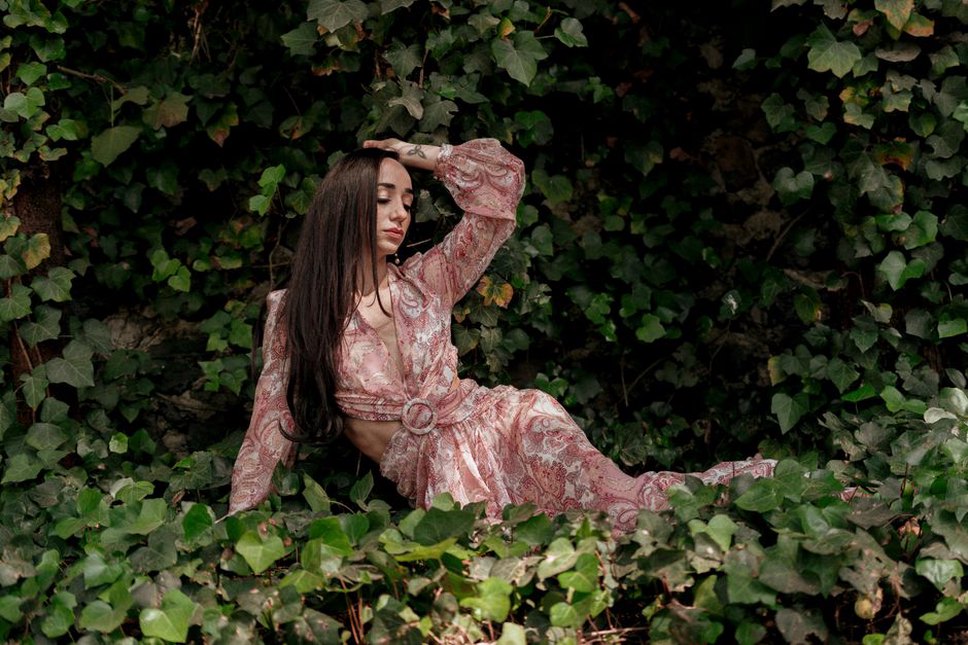
The floral maxi dress holds a special place in British fashion history. From the Liberty-print cottons of the 1970s to the romantic Laura Ashley silhouettes that defined a generation, this dress shape has never truly left our wardrobes. What many people overlook, however, is how the right hair accessory can transform the entire look. A carefully chosen vintage clip, comb, or barrette does more than hold hair in place—it echoes the dress's era, balances its volume, and adds a personal touch that feels both intentional and effortless.
A Brief History of the Floral Maxi in Britain
The maxi dress as we know it today emerged in the late 1960s, when hemlines dropped dramatically as a counterpoint to the mini. Designers like Ossie Clark and Bill Gibb embraced floor-length cuts, often printed with oversized blooms inspired by the Arts and Crafts movement. By the mid-1970s, the floral maxi had become a staple of the British high street, worn with wedges and a centre-parted cascade of hair. The silhouette softened shoulders and emphasised a natural waist, making it flattering for many body types. That same ease continues to attract modern vintage enthusiasts who value both comfort and character.
Today's floral maxi dresses draw from this heritage. Whether you choose a true vintage piece from a charity shop in Kent or a contemporary reproduction from a small British label, the principles of styling remain remarkably similar. The key lies in understanding the dress's scale, colour palette, and the era it references.
Choosing a Floral Maxi Dress That Works with Hair Accessories
Not every floral print is created equal when you plan to wear a hair accessory. A dense, all-over pattern may compete with a large statement clip, while a sparse design with generous negative space can leave the accessory feeling isolated. Look for a print that has a natural resting point—perhaps a cluster of flowers near the neckline or a single motif at the shoulder. That spot becomes a visual anchor that your hair piece can echo or contrast.
Colour is equally important. If your dress contains a warm undertone—terracotta, ochre, or rust—consider hair accessories in tortoiseshell, amber, or brass-toned metals. For dresses with cool pastels (lavender, mint, soft pink), opt for silver-toned or mother-of-pearl pieces. A well-chosen accessory should feel like it grew from the dress's own palette, not like an afterthought.
Fabric also matters. A floaty viscose jersey maxi calls for a light, flexible clip that won't weigh the hair down. A structured cotton poplin dress, on the other hand, can support a heavier comb or a sculptural barrette. Pay attention to the dress's weight and drape before you reach for your hair box.
Pairing Hair Accessories with Specific Silhouettes
The cut of the maxi dress influences where and how you place your hair accessory. Here are three common silhouettes and the vintage hair pieces that suit them best:
- Empire-waist maxi – This style draws the eye upward. A decorative hair comb placed at the crown or a small cluster of vintage slides at the temple complements the vertical line. Avoid large clips at the nape, as they can pull the focus too low.
- Wrap-style maxi – The diagonal wrap creates movement. A single, asymmetrical hair claw worn on the side opposite the wrap's tie adds balance. Try a chequered pattern or a tortoiseshell claw for a 1970s feel. (For more on this style, see our guide to Chequered Hair Claws: A Vintage British Hair Accessory Guide.)
- Button-front shirtwaist maxi – This tailored silhouette benefits from a polished, structured accessory. A mid-century metal slide or a small velvet bow clip worn at the side of a low ponytail keeps the look crisp without overwhelming the dress's lines.
Era-Matching: When the Dress Dictates the Decade
One of the joys of vintage-inspired dressing is the ability to play with period accuracy. If your floral maxi is a genuine 1970s piece with large, abstract blooms, lean into that era with a hair accessory from the same decade. Look for resin clips in earthy tones, wooden combs, or the distinctive cone-shaped flower clips that were popular in British boutiques. (Our Cone Flower Hair Clip: A Collector’s Guide to British Vintage Design offers a deeper look at this specific style.)
For a dress that channels the 1990s revival of floral prints—smaller, more delicate motifs on bias-cut slips—choose hair accessories with a minimalist edge: a single tortoiseshell claw, a plain metal barrette, or a small velvet bow. The 1990s look is about restraint, so let the dress speak and use the accessory as a quiet punctuation mark.
If your maxi is a modern reproduction that blends elements from several eras, you have more freedom. A mid-century-inspired floral dress can pair beautifully with a 1980s statement clip, as long as the colours harmonise. The key is to avoid mixing too many distinct periods in one outfit—two is plenty, three risks looking costumey.
Practical Tips for Wearing Hair Accessories with a Floral Maxi
Here is a short checklist to keep in mind when you style your dress and hair piece together:
- Test the scale. Hold the accessory against the dress's largest floral motif. The accessory should be roughly the same size or slightly smaller—never dwarf the flower.
- Consider the neckline. A high neckline (turtleneck or mandarin collar) calls for hair up or back, with the accessory visible. A low neckline (square or V) allows for a half-up style with a clip at the crown.
- Match the finish. Glossy resin clips work with shiny fabrics like satin or silk; matte wood or horn pieces suit cotton, linen, or crêpe.
- Secure without damage. Use hair-friendly techniques: twist hair before inserting a comb, and avoid pulling the clip too tight. A well-chosen accessory should stay put without pinching.
Care for Both Dress and Accessory
A vintage or vintage-inspired wardrobe demands thoughtful care. For the dress, always check the fibre content before washing. Cotton and linen maxis can be hand-washed in cool water with a gentle detergent; viscose and silk benefit from dry cleaning or spot cleaning only. Store the dress on a padded hanger to preserve the shape, and fold long hems to prevent floor dust from settling into the fabric.
Hair accessories need their own routine. Resin and plastic clips should be wiped with a damp cloth and dried immediately. Metal pieces can tarnish over time; a gentle polish with a jewellery cloth restores their shine. Combs and slides made from natural materials like horn or wood should be oiled occasionally with a drop of mineral oil to prevent cracking. Keep all accessories in a dry, lined box away from direct sunlight, which can fade colours and weaken plastic.

One Final Detail: The Hair Itself
The success of any hair accessory depends partly on the texture and length of your hair. A floral maxi dress often looks best with hair that has a little movement—loose waves, a low chignon, or a simple half-up style. If your hair is very fine, use a small claw or a lightweight slide to avoid slipping. For thick or curly hair, a larger comb or a spring-loaded clip offers better hold. Before you leave the house, do a quick mirror check from the back: the accessory should sit evenly and not pull the dress's collar askew. When everything aligns, the dress and the hair piece feel like they were made for each other—and that is the quiet magic of vintage styling.