
How to Wear Vintage Hair Accessories with a Bridal Veil
A small comb may be almost invisible beneath a bridal veil, then come into its own when the veil comes off. That change is part of the appeal of vintage hair accessories: one piece can serve both the ceremony and the evening without calling for a period hairstyle. Its effect depends as much on where it sits, and how it stays put, as on its decoration.
What modern brides borrow from the past
Vintage influence needn't mean dressing for a particular decade. An Edwardian-style comb can lend a curved line to a plain silk dress; a geometric 1930s-style clip can sharpen a low knot. A neat bow might be all an otherwise unadorned ponytail needs. Each choice changes the relationship between hair, veil, clothing and jewellery.
The distinction between antique, vintage and vintage-inspired matters. An older surviving accessory has its original construction and signs of age; a contemporary piece may borrow the shape without being old. Neither is automatically the better bridal choice. A fragile original might suit a brief appearance but struggle to hold a heavy veil through a long ceremony. A well-made modern piece can offer a similar silhouette with a fastening intended for regular use. “Edwardian style” describes an influence, not a date of manufacture.
There is room for both in a British bridal wardrobe: an inherited comb worn as it is, a vintage brooch adapted by a skilled maker, or a newly made ribbon bow beside contemporary tailoring. Let one historical feature lead—a fan shape, a pearl-like surface, the glint of cut glass. Too many familiar bridal motifs together can make it harder to see what is special about each piece.
From period silhouette to bridal detail
Combs and soft height
Late Victorian and Edwardian hairstyles often incorporated decorative combs, pins and ornaments. Their influence can be seen in a bridal comb placed above a low bun or tucked into the side of an updo. Curved sprays, leaves and openwork designs soften the line between hair and veil without creating a rigid crown. High and centred feels formal; nestled beside the knot, the same comb looks quieter.
An antique comb was not necessarily made to hold a veil. Check its teeth and balance before giving it that job. If the decoration is heavy or the teeth are short, support the veil with a separate plain comb or discreet pins. The older piece can then sit where it looks best without bearing a weight it was never meant to carry.
Jazz Age line, not compulsory costume
The 1920s bridal image is distinctive: a close-fitting cap or band, often with a veil framing the face. Beaded motifs, narrow bands and ornaments worn low across the forehead still suggest the period. But borrowing that low line doesn't require a complete twenties ensemble. A single side ornament with a slip dress feels quite different from a beaded band worn with a period-style veil and dress.
When using an old photograph for reference, work out what draws you to it. Is it the low placement, the symmetry or the beading? You can choose that one element without copying everything around it.
Clean clips, bows and later-century polish
The streamlined shapes associated with 1930s fashion offer an alternative to floral ornament. Balanced clips can define a side part; an elongated slide draws a crisp horizontal line across softly waved hair. Later references work too: a 1950s-style rhinestone barrette adds light to a simple arrangement, while a broader 1960s-inspired band gives a clean outline above a short veil. These are visual associations, not reliable dates for a piece you haven't examined.
Bows dress a hairstyle without metal or stones. A narrow ribbon around a low ponytail lets the dress and earrings lead; a structured bow becomes the focal point. Silk falls softly, velvet absorbs light, and crisp ribbon holds a clear edge in photographs. A handmade bow is worth considering if an original fabric one is too delicate for repeated tying.
The accessory has to work with the whole outfit
Look at the dress neckline and any headwear before choosing the hair ornament. A high collar, detailed shoulders or a heavily worked bodice already draws attention near the face; a compact clip may be enough. A plain column dress leaves more space for a larger comb or headband. Metals needn't match exactly, but a repeated detail—warm colour, rounded pearls or angular settings—can connect the pieces.
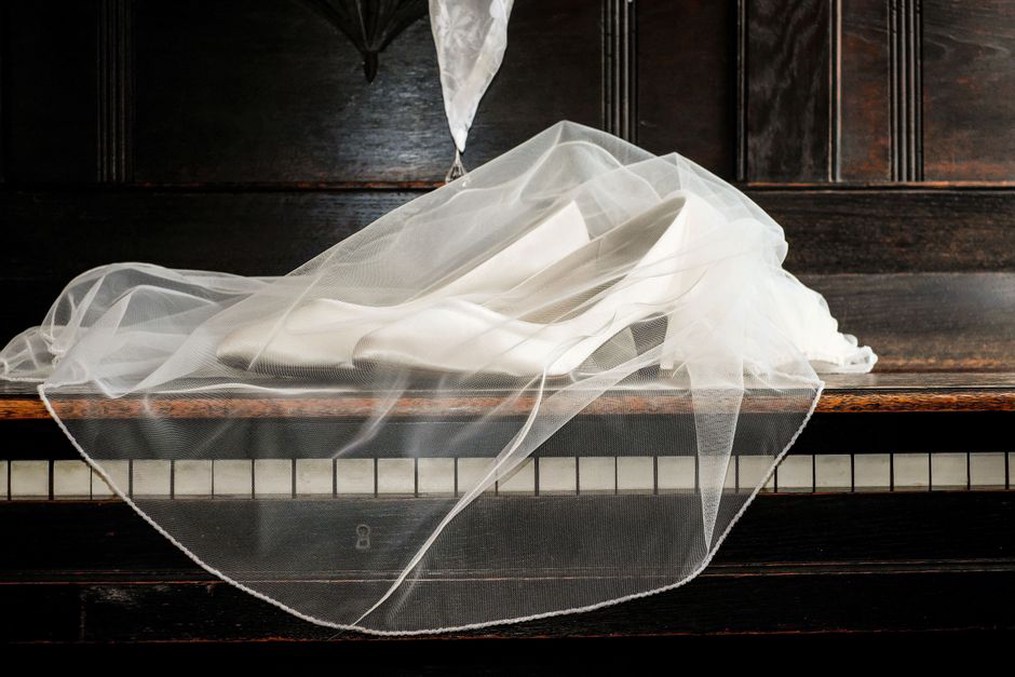
A veil creates two looks, and photographs don't always show the change between them. If a decorative comb sits immediately above the veil comb, removing the veil mustn't tug at it. Attach the ornament to the veil itself, and it will leave with the veil. Decide which you want before the final fitting, then practise the removal rather than counting on a last-minute fix.
Check the back and sides, not just the front. A comb centred over a low knot may be barely visible in a face-on mirror but prominent during the ceremony. A small side clip may show more clearly while greeting guests. Photographs from several angles in ordinary daylight will tell you how the piece reads, including whether its shine overwhelms finer details.
A bow can sit alongside a veil, provided the fastening has been thought through. Tying a ribbon around hair that will later be loosened may disturb the style; a bow on its own suitable clip could instead be added after the veil comes off. If pearl-trimmed bows appeal, compare the scale and fastening shown in the guide to the P395 vintage pearl bow French barrette. Its description applies to that piece, not to every bridal bow.
Choose an original by construction, not romance alone
Inspect an older accessory before making it part of the wedding plan. You needn't erase every trace of age; some wear may be part of its appeal. What matters is whether the structure can cope with the way you intend to wear it.
- Look at the fastening. Open and close a barrette gently. It should move without excessive force and hold securely, with no obvious crack around the hinge or catch. Check that comb teeth are intact and comfortable against the scalp.
- Inspect ornament from the back. Loose settings, lifting decorative layers and old adhesive can be easier to spot there than on the face. A missing stone may be a matter of taste; an unstable one is a practical concern.
- Ask about changes. A replaced clasp or newly attached comb may improve wearability, but it changes how the object should be described. An inherited component remounted for a wedding remains meaningful, even if the finished accessory is not wholly period-original.
- Check the material with care. Metal, glass, fabric and early plastics age differently. Don't assume a pale bead is a natural pearl or a clear stone is a diamond. If identification matters to your decision, seek an informed assessment rather than relying on a seller's styling terms.
Photographs of both sides, measurements and an honest account of repairs are more useful than a confident but unsupported decade label. Where provenance is uncertain, “vintage-style” or “possibly mid-century” is better than an invented history. Condition and fit matter as much as the story.
When alteration makes sense
Some appealing finds were never intended for hair. A dress clip, for example, may sit beautifully against an updo while its original mechanism grips poorly. Remounting can make it wearable, as long as the work doesn't needlessly damage an important or especially rare original. Ask a skilled maker how the component will be attached, whether the change is reversible and what will bear its weight. A loose pin pushed through fabric or hair isn't secure just because it survives a minute in front of the mirror.
Make a trial about movement
A styling trial should do more than establish whether the accessory looks right at first glance. Bring the actual veil, or one with a comparable attachment, and test the planned placement. Turn your head, sit down, embrace someone and remove the veil. If a clip shifts, it needs another position or more support. A very smooth arrangement may call for a different fastening approach from textured or pinned-up hair; there is no universal rule based on hair type or appearance.
Take a few useful photographs and write down which side the piece faced, where the comb teeth entered, which pins supported it and whether it went in before or after the veil. Those notes are especially helpful if someone else will fit it on the wedding day. With an heirloom, ask them to position it over a clear surface so a small loose component is easier to find.
One accessory can also connect two outfits. A restrained comb might stay in place when a ceremony veil gives way to an evening suit; a ribbon might replace a more ornate piece after dinner. Neither look is inherently more “bridal”. The practical question is whether you can make the change without dismantling the hairstyle.
Care before and after the wedding
Treat an older piece gently. A soft, dry brush can often lift dust; unfamiliar materials and old settings are poor candidates for soaking or vigorous polishing. Keep perfume, hairspray and other styling products away from the accessory where possible. Let the hairstyle settle before adding vulnerable fabric or decoration. For active corrosion, crumbling material or unstable stones, consult a suitable specialist rather than attempting a hurried repair.
After wearing, take out the pins and accessory separately instead of pulling them free together. Check for loose elements, then store the piece dry in a supportive box or wrap it so metal edges cannot catch on fabric. Don't press an heirloom flat beneath a veil or leave tension on its teeth. Keep an accurate note of its history and any alterations with the box for the next wearer.
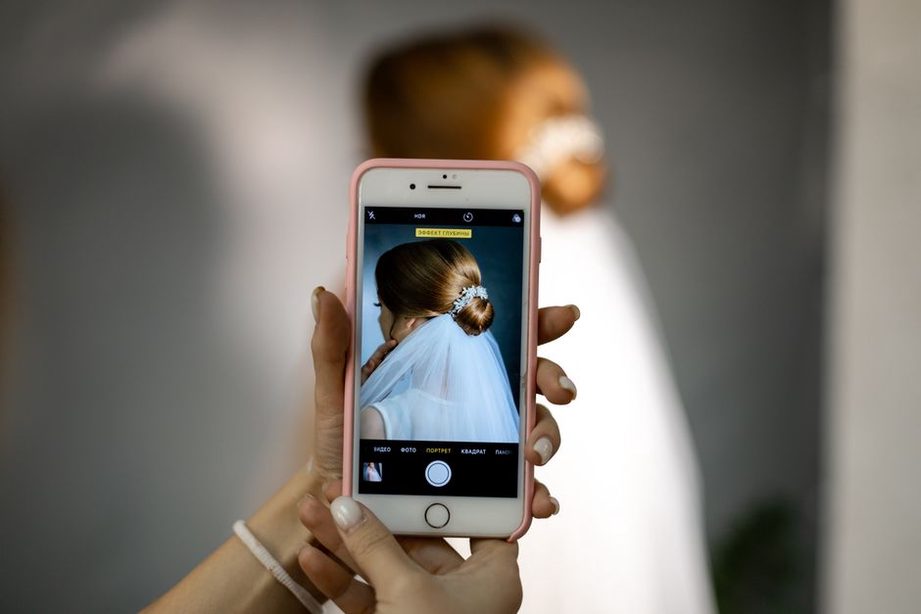
At the final fitting, put the accessory in place and have someone remove the veil exactly as they will on the day. If the comb stays still and the hairstyle holds, photograph the fastening from behind. That image gives the person helping you a clear guide to where each tooth and pin belongs.