
How to Choose Vintage Hair Accessories You’ll Keep Wearing
A beautiful barrette that slips out by lunchtime is hard to keep wearing. Before choosing a piece for its colour or period charm, check whether the fastening can hold the amount of hair you need it to. A good fit gives an existing accessory a better chance of regular use—and tells you more about a potential purchase than a promise on its label.
What makes an accessory worth keeping?
‘Timeless’ need not mean plain. A piece earns its place if it works with clothes you actually wear, feels comfortable for as long as you wear it and stands up to ordinary handling. A black bow might go with both a wool coat and evening clothes; someone with a colourful wardrobe might get just as much use from a patterned comb. Neither is inherently the more sustainable choice. How often you wear it, its condition and whether you can care for it matter more than how neatly it fits an imagined capsule wardrobe.
Start with the job: holding back a section, securing a gathered style or adding a small detail. A narrow slide may hold a few strands but struggle with a thick bundle. A comb depends on its teeth and how it sits; a bow sewn to a weak clip is still a weak clip. If you can try an accessory on, do. Measurements cannot tell you everything.
A short selection checklist
- Fit: Does it stay in place without repeated adjustment or excessive tension?
- Finish: Are the edges, teeth and hinges smooth where they touch hair or skin?
- Construction: Can you see how the decoration is attached, and does it feel secure?
- Wearability: Can you picture several outfits and occasions when you would reach for it?
- Care: Do you have somewhere to store it away from pressure and damp?
Learn from the shape, not just the decade
British vintage finds offer plenty of shapes to borrow without dressing head to toe in period style. An Edwardian-inspired comb adds height; a compact mid-century slide sits close to the head; a wide 1960s-style band draws a stronger line against contemporary tailoring. Bows have belonged to both formal and everyday wardrobes throughout the twentieth century. Pay attention to scale: a large ornament changes an outfit’s balance, while a small clip may go almost unnoticed until someone comes close.
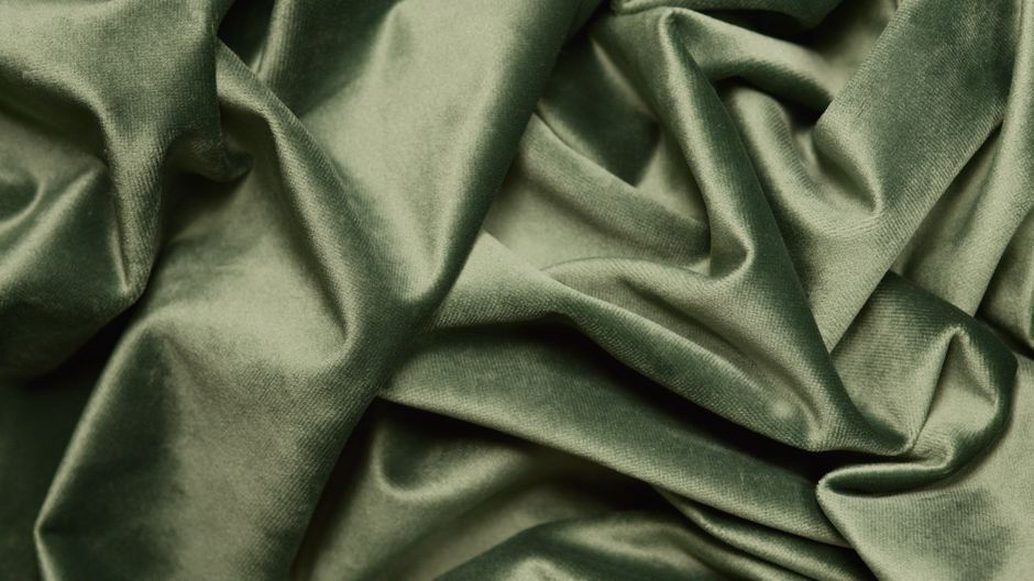
You do not need an accessory from every era. One silhouette in materials you enjoy may serve you better than a drawer full of historical references. If velvet bands suit your clothes and feel comfortable, they may be more useful than an ornate comb bought chiefly because it seems collectible. The British velvet braided headband is one example with its own history and care considerations.
Materials: judge the piece in front of you
A material name alone tells you little about durability or environmental impact. Metal may be sturdy, yet corrode if its finish fails or it is stored in damp conditions. Cellulose acetate takes colour and polish well, but a cracked tooth still limits a comb’s use. Some fabric bows can be refreshed or reattached; fraying and weakened stitching need a closer look. Older plastics vary considerably, so do not assume a vintage description identifies the exact material.
Nor does ‘natural’ automatically mean preferable. Sourcing, manufacture, transport and eventual disposal all affect an object’s impact, and those details are seldom fully documented for an individual accessory. Vintage and second-hand pieces keep existing objects in circulation, but they still have to be wearable. An unwearable ‘green’ purchase may simply move clutter from one drawer to another.
Examine the joins, especially where decoration meets the fastening. Open and close a barrette clasp gently to see whether it meets without twisting. On a covered band, inspect the ends, where fabric can start to lift. A comb missing several teeth may be better displayed than trusted for a long day out. Such checks help in charity shops and at vintage fairs, and give you useful questions to ask when an online listing is thin on detail.
Questions to ask before buying second-hand
- Are there clear photographs of the reverse, fastening, edges and any damage?
- Do the dimensions include the usable length of the clip, rather than just its decoration?
- Has a repair been disclosed, and does it affect how the piece works?
- Does the price still make sense if the age or material cannot be verified?
If provenance matters to you, ask for evidence rather than trusting the decade in a listing title. ‘Vintage style’ may describe a perfectly good modern accessory, but it is not an authenticated antique. An old-fashioned motif is not proof of age, either. Honest descriptions let you appreciate workmanship without rewarding misleading claims.
Build a small, usable rotation
Think in roles rather than trends: an everyday fastening, a softer option such as a ribbon or fabric band, and a more decorative piece. The right forms depend on how you wear your hair. If you rarely gather it, two small slides may see far more use than a large barrette. If you wear a band daily, a spare lets you rotate them while one is being cleaned.
Colour is easier to judge beside your own clothes than under shop lighting. Compare a possible purchase with the coats, knitwear and collars you wear most. Deep brown, navy or burgundy may be as adaptable as black in the right wardrobe; pearls or bright enamel need not be saved for occasions. Often, an old piece looks best without a complete period imitation. A modest vintage slide with a contemporary shirt leaves room to notice its workmanship.
Cost per wear is a useful thought experiment, not permission to spend more automatically. A reasonably priced clip worn twice a week may be better value than an elaborate one left in its box. Allow for any repair in your budget, and pause before buying another piece that does the same job. Borrowing, swapping or trying something already in your drawer might settle the question without a purchase.
Keep the good pieces in service
Handle old and new accessories gently. Open a clasp by its mechanism rather than tugging at the decoration. Take out pins and combs without dragging their teeth through tangled sections. After wearing a piece, check for loose stones, threads or fittings; a small fault is easier to deal with before a part disappears.
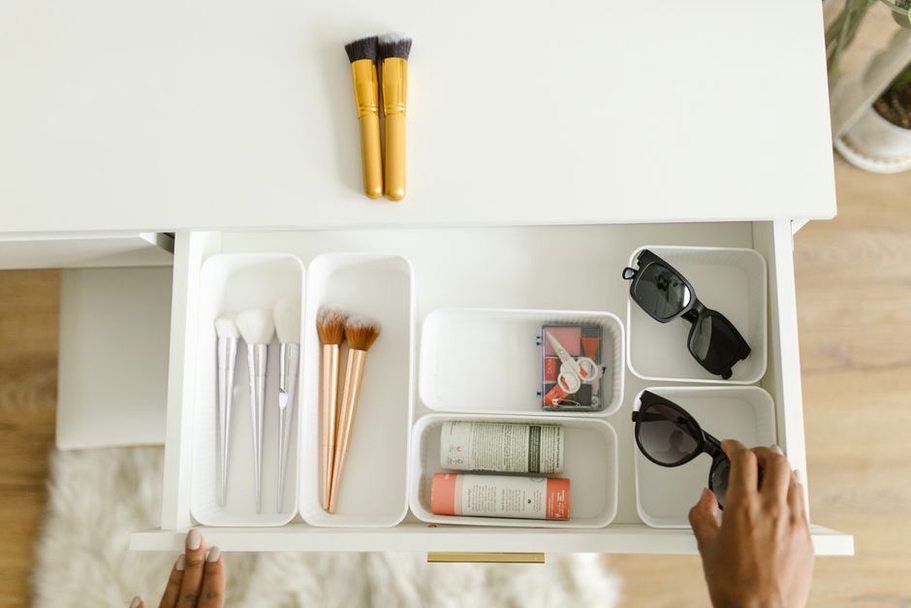
Store pieces so they do not press against one another. Compartments or a soft lining in a shallow drawer prevent polished surfaces rubbing against metal edges, and bows need enough room to keep their loops from flattening. Keep accessories dry and out of prolonged direct sunlight, which can affect some fabrics and finishes. Cleaning depends on the materials and adhesives used: a soft, dry cloth is a cautious first step, while soaking an unfamiliar vintage piece could disturb its joins. For a fragile or valuable find, consult a repairer experienced with such pieces rather than reaching for household glue.
Before replacing a favourite slide, put it on a clean surface and test the fastening without hair. If the clasp works but a stitched bow has come loose, only the attachment may need attention. If the hinge bends or will not catch, set the slide aside until the mechanism can be assessed.