
The Edith Leaf Hairclip: A Mid-Century British Classic
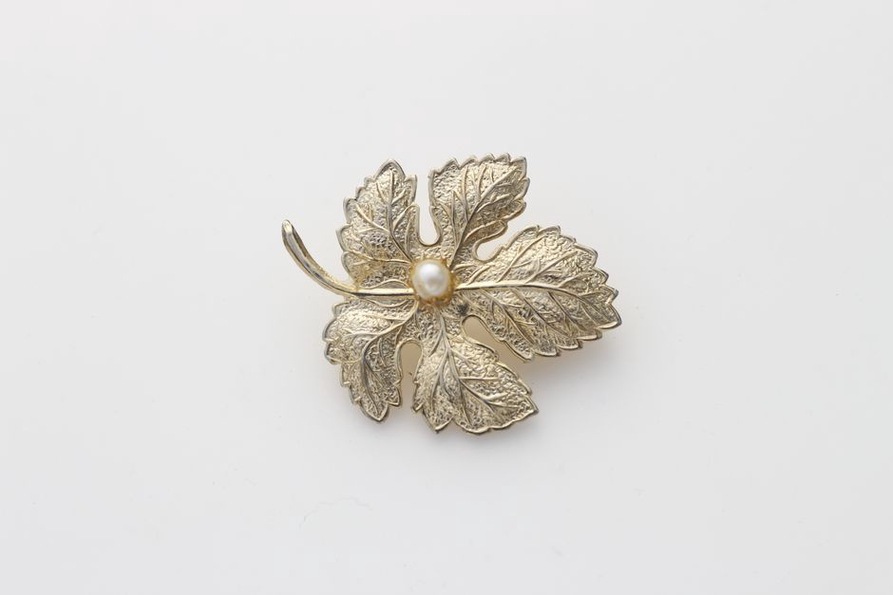
Of the many vegetative motifs that flourished in mid-century British hair accessories, the leaf is perhaps the most enduring. Unlike the overt florals of the 1940s or the abstract geometries of the 1960s, the leaf allowed for subtle, organic drama—a whisper of the garden rather than a bouquet. The store p585 Edith leaf hairclip, a product of the Maison Archives line, exemplifies this restrained elegance. Its design is not merely decorative; it carries the precise botanical observation that characterized British decorative arts after the Festival of Britain. The clip itself is a small, sculpted leaf, typically rendered in green enamel with delicate hand-painted veining, mounted on a metal spring mechanism. For collectors and vintage enthusiasts, it represents a perfect intersection of craftsmanship, nature, and wearable art.
Identifying the Edith Leaf Hairclip
The Edith leaf hairclip is distinguished by several key features that set it apart from later reproductions or similar styles. First, the leaf shape is not rigidly symmetrical—it follows the natural curve of, say, an ivy or oak leaf, with a slight asymmetry that gives it movement. The enamel surface, when examined under good light, shows subtle variations in colour, a hallmark of hand-applied rather than machine-sprayed finishes. Metal components, usually brass or nickel-silver, bear a patina consistent with decades of gentle wear. A small ‘Made in England’ stamp, often in block letters, may be found on the underside of the clip. The spring tension feels firm but not stiff; a well-maintained clip will open and close with a smooth, quiet action.
Materials and Construction
The base metal is typically a lightweight alloy, chosen for its durability and ease of shaping. Over this, the enamel was applied in multiple layers, each fired separately to create depth. The palette is limited but evocative: deep forest green for the leaf body, a paler green for the midrib, and sometimes a touch of amber at the stem. This restraint reflects the mid-century preference for sophisticated colour harmonies. The clip mechanism itself is a simple but effective two-pronged design, often with a small hinge that allows the clip to sit flat against the head. Interior padding, where present, is original velvet or felt—rarely intact after seventy years, but a sign of quality when preserved.
- Enamel type: Vitreous (hard) enamel, giving a glossy, glass-like finish that resists scratching.
- Metal back: Usually brass or nickel-silver, with a stamped number (e.g., ‘585’) indicating the store catalogue reference.
- Markings: ‘Made in England’ and sometimes ‘Maison Archives’ in cursive, though early pieces may omit the brand name.
- Weight: Light to hold in the hair but substantial enough to feel well-made in the hand.
A Brief History of the Leaf Motif in British Hair Accessories
The post-war years in Britain saw a revival of interest in natural forms, partly as a reaction against the austerity of the 1940s and partly due to the influence of Scandinavian design, which prized organic shapes. Maison Archives, founded in 1946, quickly became known for its botanical-inspired accessories. The Edith hairclip, named after a designer—perhaps Edith Schade, a noted enamelist—was introduced around 1955. It belongs to a small series of leaf and berry clips that were sold through upscale department stores like Liberty & Co. and Harrods. Unlike mass-produced metal clips, each Edith piece was individually inspected, and the enamel work was done by artisans in the company’s workshop in Birmingham. This attention to detail explains why surviving examples are so highly sought by collectors today.

Styling the Edith Leaf Clip Today
The beauty of the Edith leaf hairclip lies in its versatility. For a day look, pair it with a simple low ponytail or a half-up twist, letting the green enamel catch the light. It works beautifully against darker hair, but even on lighter tones, the contrast of metal and enamel provides a focal point. For an evening ensemble, consider a sleek chignon with the clip placed just above the ear—a nod to the 1950s but entirely contemporary when worn with a modern silk blouse and tailored trousers. The organic shape also complements flowing, unstructured garments, such as linen dresses or open-knit sweaters. Readers interested in similarly detailed enamel work may also enjoy our guide to the Store p263 MaisonArchives India Pearl Clip, another mid-century piece with botanical overtones.
Care and Preservation
Owning a vintage enamel clip requires a gentle approach. To clean, use a soft, dry cloth to remove dust. For more stubborn residues, dampen a cotton swab with distilled water and wipe the enamel only—never submerge the metal spring, as moisture can cause rust. Avoid alcohol-based cleaners, acetone, or abrasive polishes; they will dull the enamel and strip any remaining patina. Store the clip in a fabric-lined box or a small pouch, separate from other jewellery to prevent scratching. If the spring becomes loose, a watchmaker or a jeweller experienced with vintage mechanisms can often tighten it without damaging the enamel. With proper care, the Edith leaf hairclip will continue to bring a touch of mid-century garden magic to your hairstyle for years to come.
One final detail worth noting: the p585 catalogue number often appears faintly stamped on the metal tab inside the spring. This number, along with the distinctive leaf shape, is your best assurance of authenticity. If you ever come across a clip with a similar leaf design but a different catalogue number—say p586 or p587—it may be a later variation or a different model. The Edith, however, remains the definitive leaf clip of its era, a small but perfect example of British mid-century design.