
The Store p263 MaisonArchives India Pearl Clip: A Vintage Hair Accessory Worth Collecting
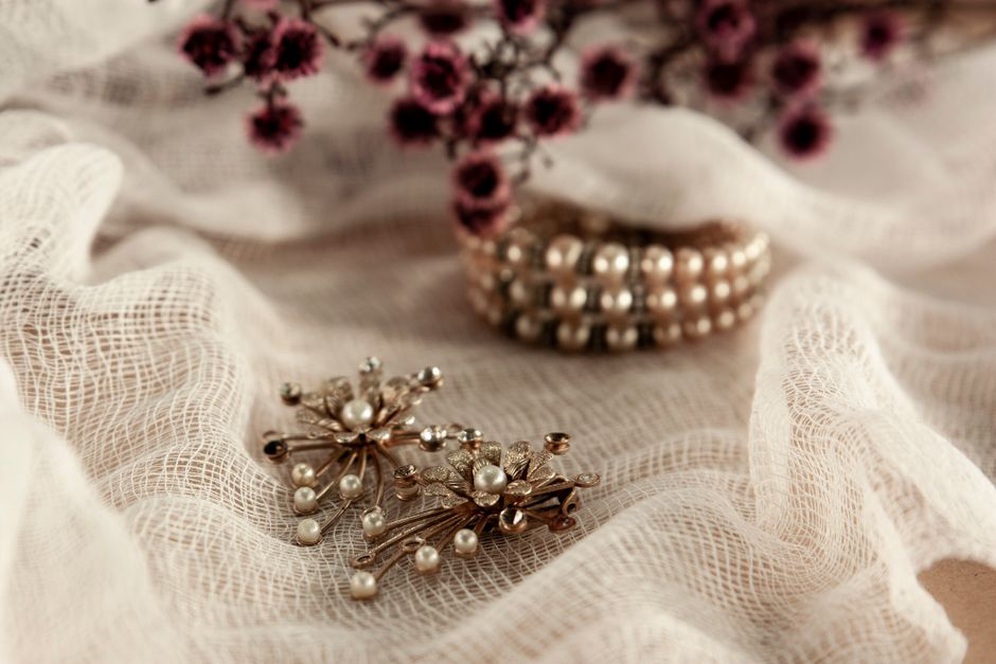
The Store p263 MaisonArchives India Pearl Clip first appeared in a small lot of mid-1960s accessories from a London milliner’s estate. Its name often raises questions: why “India”? The clip wasn’t made there, nor does it use Indian gemstones. The label refers to the visual inspiration—a dense cluster of pearlescent beads arranged like traditional Indian temple jewellery. The result is a layered, almost architectural piece that sits lightly on the hair. The clip is a spring-loaded metal barrette, about 6 cm long, with a rounded top holding the pearls. The base is warm brass with a gold-wash finish, and the pearls are good-quality imitation nacre—they catch light without looking garish.
The original card backing, now faded, read “Maison Archives – exclusive design for store p263.” That store code likely refers to a now-defunct department store or a private label contract. Maison Archives, as collectors know, was a French-born atelier that operated in London through the 1950s and 1960s, producing small runs of hair ornaments for select British retailers. Their work is known for meticulous hand-finishing and a willingness to borrow motifs from outside Europe—the India Pearl Clip is a perfect example of that cosmopolitan spirit.
Construction and Materials
The clip’s structure is deceptively simple. A single piece of brass is stamped into a shallow dome, then drilled to accept the pearl settings. Each pearl – there are about forty of them, ranging from 3 mm to 5 mm in diameter – is individually wired onto a fine brass pin, then inserted into the dome and secured from behind with a tiny crimp. This is not a cheap glued-on arrangement; the wiring method means that even if one pearl comes loose, it can be reattached without damaging the others. The clasp is a classic French spring mechanism, still tight in most surviving examples. The gold wash is thin but has held up remarkably well, developing a soft patina rather than flaking off.
The pearls themselves are what make this clip distinctive. They are not the high-gloss plastic beads common in 1950s costume jewellery. Instead, they have a slightly matte, creamy surface with a subtle iridescence – what the French call perle satinée. This finish was achieved by coating a glass core with several layers of pearlescent lacquer, then tumbling it to reduce the shine. The result is a pearl that looks natural, almost organic, and does not scream “vintage costume” the moment you put it on.
Common Variations and Condition Issues
Because the India Pearl Clip was made in small batches, minor variations exist. Some examples have a slightly more domed top; others have a flatter profile. The pearl colours can range from a warm ivory to a cooler white with a pinkish sheen. The most common problem collectors encounter is missing pearls – the wiring can break if the clip is dropped or caught in a bag. Tarnish on the gold wash is also frequent, but it usually responds well to a gentle polish with a jewellery cloth (the kind you use for silver, but without any abrasive). Avoid any liquid cleaner, as it can seep into the wiring and weaken the pearls.
Styling the India Pearl Clip Today
The charm of this clip lies in its ability to bridge the ornate and the everyday. The pearl cluster makes a strong visual statement, but the compact size means it does not overwhelm the head. It works beautifully as a side-clip in a low chignon – just sweep the hair to one side, secure with a clear elastic, then clip the India Pearl over the elastic to hide it. The pearls catch the light whenever you turn your head, creating a subtle sparkle without being flashy. For a more casual look, use it to hold back a section of hair in a half-up style; the gold tones complement warm hair colours and contrast nicely with cooler tones.
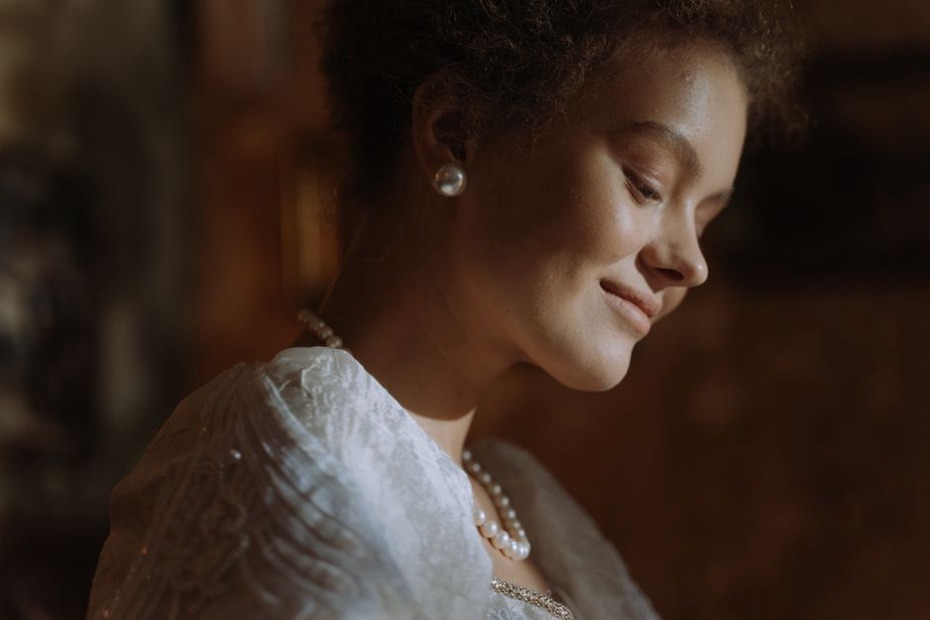
In terms of modern wardrobe pairing, the India Pearl Clip is surprisingly versatile. It lifts a simple white blouse and dark trousers instantly. It also works well with a tweed jacket or a cashmere sweater – the pearls add a touch of elegance that counters the roughness of wool. Avoid wearing it with other heavy pearl jewellery; let the clip be the single focal point. If you own a vintage silk scarf, you can tie it around a ponytail and then clip the India Pearl at the base of the scarf knot for a layered effect that feels both Edwardian and contemporary.
Care and Preservation
Because the India Pearl Clip uses wired pearls and a delicate gold wash, it requires a lighter touch than a solid metal piece. After each wear, wipe the clip gently with a soft, dry cloth to remove any hairspray residue or natural oils. Do not immerse it in water, and never use an ultrasonic cleaner. Store it in a separate compartment of a jewellery box, or wrap it in a piece of acid-free tissue paper. If you keep it with other clips, make sure nothing hard presses against the pearl dome; the pearls can crack under pressure. For a detailed guide on preserving silk, velvet, and hair accessories, we recommend reading our dedicated post on proper storage.
If a pearl does come loose, do not panic. You can reattach it using a small amount of clear jewellery glue (a gel type works best) applied to the wire pin, then gently push the pin back into the hole. Hold it in place for thirty seconds. If you are not comfortable doing this yourself, a good jewellery repair shop can handle it in minutes. The key is to avoid losing the original pearl – if you find a loose one in your box, secure it immediately.
Collecting the India Pearl Clip
This clip is not the rarest Maison Archives piece, but it is far from common. It appears at auction perhaps once or twice a year, usually in mixed lots of vintage hair accessories. Prices have been steady in the £40–£70 range depending on condition and completeness of the pearl cluster. The name “India Pearl Clip” is not always listed as such; sometimes it is described simply as “Maison Archives pearl barrette” or “gold-tone pearl hair clip.” The p263 code is the definitive identifier. If you are building a collection of Maison Archives hair ornaments, the India Pearl Clip makes a wonderful counterpoint to the more bohemian tortoiseshell pieces or the bold enamel clips. It offers a refined, slightly exotic look that fits into the broader narrative of mid-century British fashion’s flirtation with global influences.
When you hold one in your hand, you notice the weight – it is substantial but not heavy. The pearls feel cool and smooth. The mechanism clicks with a satisfying precision. It is a small object, but it contains the effort of a skilled hand and the vision of a designer who looked beyond fashion’s usual borders. That is the real value of the Store p263 MaisonArchives India Pearl Clip: it is a tangible piece of a time when a hair accessory could be a tiny work of art, and when quality was measured not by a brand name but by the care taken in every detail.
One final practical note: if you find this clip, check the spring mechanism first. A weak spring that won't hold the clip closed is the most common failure. That's fixable by a jeweller, but good to know before you buy. Also inspect the back of the dome—the wiring should be even and rust-free. A little tarnish is fine; rust is a dealbreaker. If the spring is weak, a jeweller can fix it in minutes—don't let that stop you from buying it.