
The Maison Archives Arizona Bow Barrette: A Vintage Hair Accessory with Southwest Soul
If you've ever spotted a Store p524 Maison Archives Arizona bow barrette at a car boot sale or while scrolling through an online archive, you'll know it has a peculiar kind of magnetism. This isn't your standard tortoiseshell clip or a demure velvet bow. It's a confident piece that fuses the playful spirit of the 1980s with a subtle nod to the American Southwest. The barrette features a generous bow silhouette, usually made from glossy acetate or resin in a rich turquoise-and-cream mottled finish—think desert skies and Navajo turquoise. On the reverse, a sturdy metal alligator clip, often gilded or plated, keeps the bow secure whether your hair is thick or fine. What makes the Arizona bow so intriguing is its palette: instead of the usual black or tortoiseshell, the colours borrow from the faded pastel-and-terracotta trends that swept through British fashion after the New Romantic era, when designers started looking overseas for inspiration.
A Design Born from 1980s British Eclecticism
Throughout the 1980s, British accessory makers became fascinated with Americana, especially the iconography of the Southwest. The Arizona bow barrette belongs to that moment—its name alone conjures the Grand Canyon, endless highways, and the graphic geometry of Native American weaving. Yet the execution is unmistakably British: the bow is proportioned to be noticed but not overwhelming; the clip mechanism is built to last, with a spring tension that still holds firmly after decades. Unlike the softer, more romantic bows of the 1950s, this piece has a slightly angular, almost sculptural quality to its loops, perhaps influenced by the Memphis design movement gaining traction in Europe at the time. The resin or acetate was often poured into moulds that gave the surface a subtle depth, almost a lenticular effect when held up to the light. It's a material that ages gracefully when cared for, gaining a gentle patina over the years.
Collectors often pair the Arizona bow with other pieces from the Maison Archives label. If you own the Maison Archives Filo tortoiseshell clip, you'll notice both items share the same careful edge-polishing and the same satisfying 'snap' when the clip closes. They were likely produced in the same workshop—perhaps a small factory in the English Midlands that specialised in resin hair accessories between the late 1970s and early 1990s. Knowing these production details not only deepens your appreciation of the piece but also helps you judge its condition when hunting for one in the wild.
Materials and Craftsmanship: What to Look For
The Arizona bow barrette is typically made from a high-quality cellulose acetate compound, often called 'casein' or 'galalith' in older pieces. These thermoplastics were favoured for their ability to take brilliant colours and their durability. Unlike cheaper injection-moulded plastic, acetate can be buffed and polished—a good sign that a barrette has been well loved. On our Arizona bow, you should look for:
- Colour layering: authentic examples show two or more hues swirled together, not a simple solid colour. The turquoise might bleed into ivory or coral, creating a marbled effect.
- Metal clip construction: the clip should be nickel or brass, with a light gold wash. Avoid any clips that feel overly light or show obvious stamped markings reading 'China' or 'Taiwan'—those are later imports.
- Maker's mark: many Maison Archives pieces have a faint embossed logo on the inside of the clip—usually the letters 'MA' in a small oval. Not all examples have it (some were unbranded), but it's a helpful identifier.
- Weight: a genuine late-80s bow will have a satisfying heft, around 15–20 grams, because the resin is thick and the clip substantial.
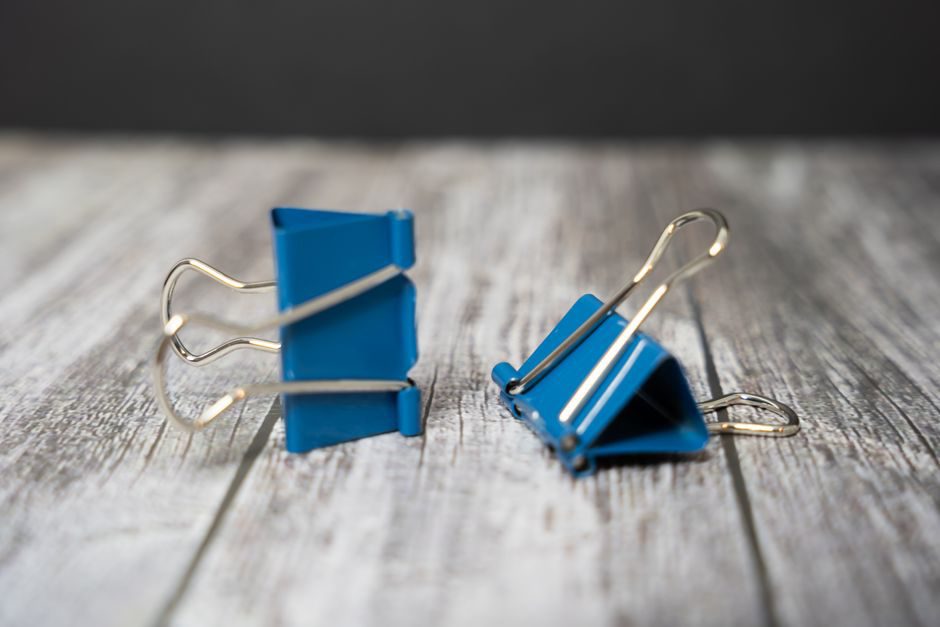
When you hold an Arizona bow in your hand, run your thumb over the edges. They should feel smooth, not sharp. The original manufacturers took pride in finishing—rough edges usually indicate a modern replica or a piece that has been damaged. Also check the hinge of the clip: dust or crusted product is a sign it needs cleaning, not that it's faulty. A well-maintained barrette will open and close with a crisp click.
Styling the Arizona Bow Barrette Today
One of the joys of vintage hair accessories is their ability to lift a contemporary outfit without looking costumey. The Arizona bow's blend of turquoise and cream makes it surprisingly versatile. Here are three ways to wear it:
Half-up with a side twist
Section off a deep side part, gather the crown hair, twist it loosely, and secure with the barrette at the back of the head. Let the rest of your hair fall freely. This works beautifully with both straight and wavy textures, and the bow's volume provides a sculptural crown without needing much effort.
Low ponytail accent
Create a low, sleek ponytail and slip the bow barrette just above the hair tie. The barrette's clip can also grip the base of the ponytail itself. This styling echoes the preppy 1980s look but feels fresh when paired with a modern minimalist trench coat or a crisp white shirt.
As a side accent for short hair
If you wear a pixie cut or a bob, the Arizona bow can be positioned just above the ear, securing a few strands of fringe. The turquoise tones add a surprising pop of colour against darker shades or a cool contrast to blonde or grey hair. It also works marvellously in updos for evening wear—place the bow at the nape of the neck to add interest to a twisted chignon.
Bereavement and Care: Preserving Your Arizona Bow
Because acetate and resin can be sensitive to heat and UV light, the cardinal rule is to never store your barrette in direct sunlight or near a radiator. Over time, exposure to strong light can cause the colours to fade or yellow. Instead, keep it in a soft pouch or a lined drawer, separated from metal jewellery that might scratch the surface. If the clip becomes stiff, apply a minuscule drop of sewing machine oil (or a specialised jewellery cleaner) to the hinge—do not use WD-40; its solvents can attack the resin. For general cleaning, wipe the bow gently with a dry microfibre cloth. If the barrette has accumulated hairspray residue, dampen the cloth with a little lukewarm water and mild soap, then dry immediately. Never submerge the piece or use alcohol-based cleaners, as these can dull the finish.
Another practical detail: check the teeth of the clip. On the Arizona bow, the clip often has small notches near the hinge. If these are worn down, the grip will be weaker. A competent jeweller can sometimes tighten the spring, but many collectors prefer to source a barrette in excellent condition rather than repair a damaged one. When buying secondhand, always inspect the clip's closure; it should close firmly without gaping.
A Lasting Piece of British Accessory History
The Store p524 Maison Archives Arizona bow barrette is more than a fleeting trend. It represents a particular moment when British style embraced broader visual cultures and translated them into something wearable and enduring. Next time you reach for it, take a second to feel the weight, admire the marbling, and appreciate the quiet craftsmanship that went into making it—because that is the real treasure behind every Maison Archives piece. Check the clip's hinge for any stiffness, give the bow a quick wipe with a microfibre cloth, and you're ready to wear a small piece of 1980s British design history.