
The Store P363 Satin Padded Headband: A 1960s British Accessory Worth Collecting
Few accessories capture the effortless elegance of mid-century British fashion quite like the satin padded headband. The Store P363, with its plush interior and lustrous outer fabric, represents a particular moment in the 1960s when hairdressing and headwear converged. Unlike the stiff, decorative combs or the playful banana clips of the era, this headband offered a soft, almost sculptural way to frame the face. Its construction—a narrow band of satin wrapped over a padded core—was both practical and glamorous, keeping hair in place without the tension of a tight elastic. For collectors of vintage hair accessories in the UK, the P363 has become a quiet treasure, sought after for its quality and versatility.
What Is the Store P363 Satin Padded Headband?
The code “Store P363” refers to an inventory reference used by a British wholesale manufacturer or department store that produced and sold these headbands in the mid-20th century. While the exact retailer is lost to time, collectors recognise the P363 by its hallmark features: a satin outer shell (often in cream, black, pastel pink, or navy), a generous padding that gives it a rounded profile, and a thin wire or plastic frame inside that allows the band to hold its shape. Most surviving examples measure about 1.5 to 2 cm in width, with a length that fits snugly behind the ears. The satin can be acetate or, in higher-end versions, silk. Some pieces retain their original paper tags or a faint stamp reading “P363” inside the lining. These details help separate authentic vintage from later reproductions.
A Brief History of the Padded Headband in British Fashion
Headbands have cycled in and out of style for centuries, but the padded variety emerged as a distinct accessory in the 1960s. As women embraced shorter, geometrically cut hair—think Vidal Sassoon’s precision bobs—the padded headband became a way to add volume and softness without breaking the clean lines. It also doubled as a practical solution for the new synthetic wigs and hairpieces that were popular among young British women.
By the mid‑1960s, the satin padded headband appeared in magazines like Vogue and Honey, often paired with shift dresses and knee‑high boots. The look carried into the 1970s, where it was adopted by the bohemian set, worn low on the forehead with flowing dresses and long straight hair. The Store P363 is a relic of that transition—elegant enough for a wedding guest, yet casual enough for a Carnaby Street afternoon.
If you enjoy uncovering the stories behind vintage hair accessories, you might also appreciate the unique backstory behind The Mystery of the Store p133 Beret Hearts: A 1960s Hair Clip Collectors Love, another collectible that captures the spirit of British accessory design.
Materials and Craftsmanship
The P363’s quality lies in its layered construction. The outer satin is typically woven from synthetic fibres (acetate or rayon) for sheen and affordability, though earlier examples occasionally use pure silk. Underneath, a layer of cotton wadding or a thin polyester batting provides the “padded” feel. The core is a flexible strip of metal or rigid plastic that gives the headband its spring. The satin is sewn inside out and then turned, so the visible seams are minimal. A narrow grosgrain ribbon lines the interior for comfort and to prevent slippage. Wealthier manufacturers would finish the edges with a hand‑stitched hem; machine stitching is more common in later production runs. Knowing these details helps you evaluate condition—look for frayed edges, crushed padding, or rust marks near the wire core.
How to Identify an Authentic Vintage Store P363
- Tag or stamp: Original headbands often have a sewn‑in cotton label or a direct stamp in ink. Look for the numbers “P363” or the manufacturer’s name (such as “Store Ltd.” or a department store brand).
- Padding consistency: The padding should be evenly distributed without lumps. If you press gently, it should feel dense but pliable. Hollow feeling indicates modern mass‑production.
- Satin weave: Authentic vintage satin has a slight irregularity in its weave. Under bright light, you may see minor slubs or colour variations—a sign of age rather than flaw.
- Hardware: The internal frame should be thin and flexible. Rusty or brittle metal suggests exposure to moisture; hard plastic might be a later replacement.
- Packaging: If the headband comes in its original box, it will likely be a simple cardboard sleeve with the same “P363” code. The paper may be yellowed but should not have deep water stains.

Styling the P363 Satin Padded Headband with a Modern Wardrobe
This headband’s strength is its neutrality. A cream or black P363 works seamlessly with a modern trench coat and wide‑legged trousers for a daytime British look. For evening, pair it with a silk blouse and tailored velvet blazer—the sheen of the satin echoes the fabric. Those who prefer bolder choices can pick a coloured headband (scarlet, emerald, or cobalt) and channel the 1960s mod spirit. The padded shape adds volume to the crown, so it suits both loose waves and sleek low buns. Because it sits behind the ears rather than on top of the head, it flatters most face shapes. It also works beautifully with other vintage items: try wearing it with a wool beret or a silk scarf tied at the nape. Let the headband be the statement piece—keep other accessories minimal.
Caring for Your Vintage Headband
Preserving a satin padded headband requires gentle handling. Here are practical steps to keep your P363 in excellent condition:
- Cleaning: Do not immerse in water or use dry cleaning solvents. Instead, spot‑clean with a soft cloth barely dampened with lukewarm water and a drop of mild soap. Gently dab the satin—never rub—to lift surface dirt. For stubborn marks, consult a textile conservator.
- Drying: Air‑dry flat on a towel away from direct sunlight and heat. Do not use a hair dryer; the heat can weaken the satin and warp the padding.
- Storage: Keep the headband lying flat in a drawer or box, ideally wrapped in acid‑free tissue paper. Avoid hanging it, as the weight can stretch the satin and distort the padding over time. If you must store it in a bag, choose a breathable cotton pouch—plastic traps moisture.
- Avoiding damage: Satin is prone to snagging. Remove the headband carefully, handling it by the edges rather than the top. Keep it away from jewellery with rough settings or zippers.
For more detailed preservation advice that applies to many vintage hair accessories, our guide on How to Store a P343 Rectangle Barrette: Vintage Collector Tips offers practical steps that work equally well for padded headbands—especially the sections on climate control and pest prevention.
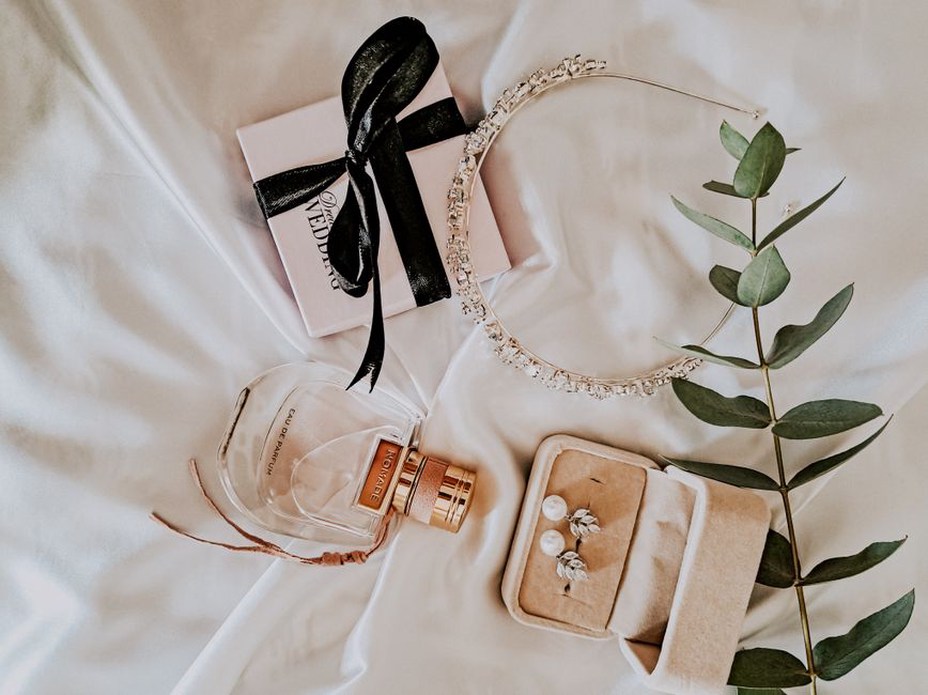
Some collectors even display their P363 in a shadow box with a vintage perfume bottle—it catches light beautifully. Always store your satin padded headband in a cool, dry place away from direct sunlight, and wrap it in acid‑free tissue paper to preserve its shape and sheen. A little attention now ensures that the Store P363 will continue to bring a touch of vintage British charm for decades to come.