
The Colour of a Sweetheart Hair Clip: A Collector’s Guide
When you pick up a sweetheart hair clip — that rounded, two-lobed silhouette that cups the hair like a gentle embrace — the first thing you notice is rarely the shape. It is the colour. A dusty rose that recalls a 1950s lipstick. A cream so pale it seems to hold light. A cherry red that demands attention without shouting. For collectors and stylists across Britain, the colour of a sweetheart clip is not a finishing touch; it is the entire conversation.
Sweetheart clips, also called kiss clips or love clips in vintage catalogues, first appeared in the 1940s and reached their peak popularity through the 1950s and early 1960s. Made from cellulose acetate, casein, or early thermoplastics, they were moulded into that unmistakable heart-shaped curve with a spring mechanism hidden behind the lobes. The colour was not painted on — it was integral to the material, swirled or marbled or solid throughout. That is why a well-preserved sweetheart clip from 1955 still glows with the same depth of hue it had seventy years ago.
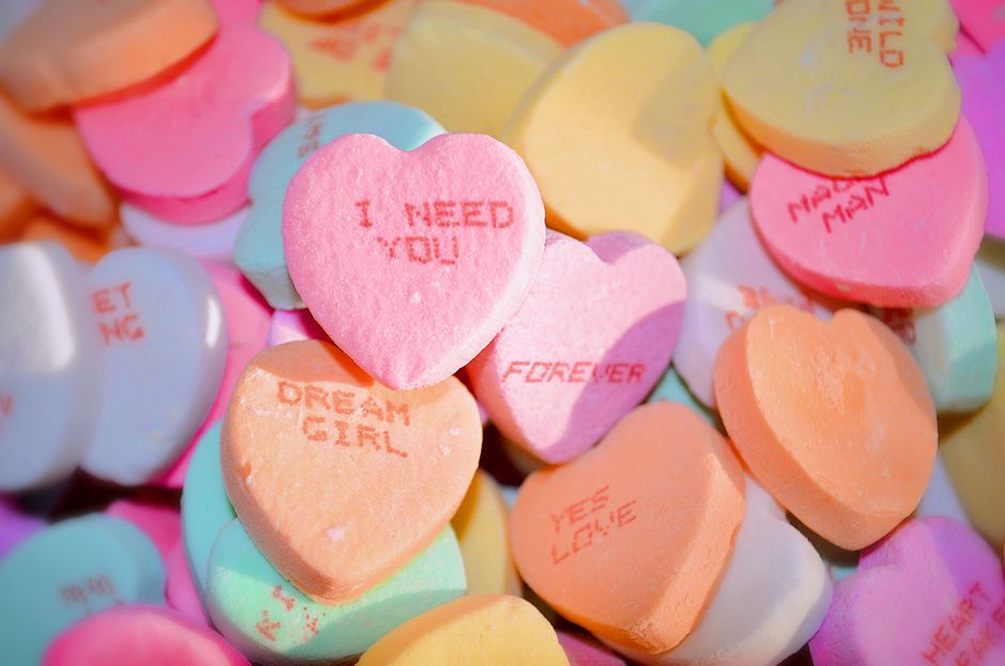
Why Colour Matters More Than Shape
A sweetheart clip’s shape is constant. The lobes vary slightly between manufacturers — some are more pointed, others rounder — but the fundamental silhouette is instantly recognisable. Colour, however, is where the personality lives. It tells you the decade of manufacture, the intended occasion, and often the social context in which the clip was worn.
In the austerity years of the late 1940s, British manufacturers produced sweetheart clips in muted, practical colours: dark tortoiseshell, mahogany brown, and a deep bottle green that echoed the utility clothing palette. These colours were chosen because they matched the restrained tones of post-war fashion and because the dyes available were limited. A dark sweetheart clip from 1948 is a document of its time — serious, durable, and designed to be worn with a tweed suit or a simple wool dress.
By 1952, the Festival of Britain had injected a new optimism into design, and sweetheart clips began to appear in lighter, brighter shades. Pale pink, mint green, and powder blue emerged. These were not the fluorescent colours of the 1980s; they were soft, almost dusty, as if filtered through a veil of British daylight. They matched the new silhouette of the New Look — full skirts, nipped waists, and hair that was swept up but not stiff.
The Classic Sweetheart Colour Palette
After handling hundreds of sweetheart clips over the years, I have come to recognise a core palette that appears again and again in British vintage finds. These are the colours every collector should know.
Tortoiseshell and Amber
The most common sweetheart clip colour in Britain, and for good reason. Tortoiseshell acetate — with its warm browns, golden streaks, and occasional dark flecks — complemented every hair colour from ash blonde to coal black. It was considered neutral, but it is anything but boring. A well-made tortoiseshell sweetheart clip has depth: hold it up to the light and you will see layers of amber and caramel that no single pigment could create. These clips were often the everyday choice, worn to the office or the shops, and they survive in greater numbers than any other colour.
Pastel Pink
Pink sweetheart clips are the holy grail for many collectors, but not all pinks are equal. The most desirable is a dusty rose — not too sweet, not too pale — that was produced by British manufacturers such as A. Fox and Co. in the mid-1950s. This pink has a slight warmth, almost a hint of peach, and it was often paired with cream or white in a two-tone design. A pink sweetheart clip in good condition, with no fading or crazing, can command premium prices at vintage fairs in London and Brighton.
Cream and Ivory
Cream sweetheart clips are deceptive. They look simple, even plain, but they are among the most difficult to find in original condition. White and cream acetates yellow with age, especially if exposed to sunlight or cigarette smoke. A truly white sweetheart clip from the 1950s is a rare treasure. Ivory clips, which were deliberately tinted to a warm off-white, age more gracefully and are easier to find. They were popular for bridal wear and formal occasions, often worn with a pearl-studded hairpin or a small fresh flower.
Cherry Red
Red sweetheart clips are bold, confident, and unmistakably 1950s. The red used in British clips is not a fire-engine red; it is deeper, closer to a ripe cherry or a pillar-box red with a hint of brown. These clips were statement pieces, worn with a black dress or a crisp white collar. They are less common than tortoiseshell or cream, partly because red dyes were more expensive and partly because red was considered an evening colour. A cherry red sweetheart clip with its original spring intact is a find worth celebrating.
Green
Green appears in two distinct shades in British sweetheart clips. The first is a deep bottle green, almost black in low light, which was popular in the late 1940s and early 1950s. The second is a mint or sage green that arrived with the pastel trend of the mid-1950s. Mint green sweetheart clips are particularly charming because they pair beautifully with the floral prints and gingham patterns that defined British summer fashion in that decade. For a deeper dive into green vintage hair accessories, the Green Leaf Hair Clip: A Vintage British Icon article explores this colour family in detail.
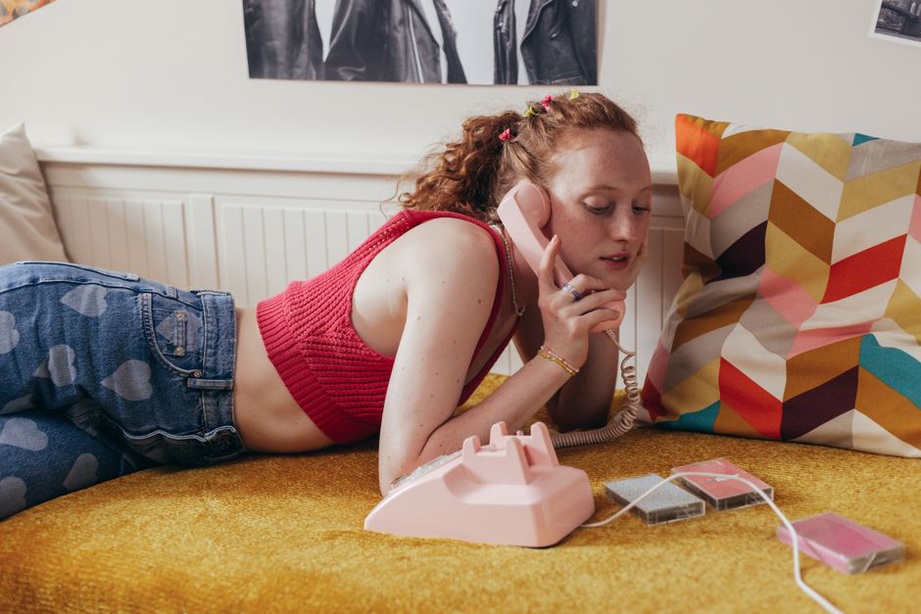
Two-Tone and Marbled Sweetheart Clips
Solid colours are only part of the story. Some of the most striking sweetheart clips are two-tone or marbled, where two colours were swirled together during manufacture to create a unique pattern. The most common combination is cream and tortoiseshell, which gives the clip a sophisticated, almost geological appearance. Pink and cream is rarer, and red and cream rarer still.
Marbled sweetheart clips were made by layering molten acetate of different colours and then cutting the clips from the block. Because the pattern is random, no two marbled clips are exactly alike. For collectors, this is part of the appeal — you are not buying a mass-produced item but a tiny, wearable piece of abstract art.
How to Identify Faded or Altered Colours
Colour is also a clue to authenticity and condition. Vintage sweetheart clips that have been exposed to strong light will show fading, especially on the top lobe where sunlight hits most directly. Pink fades to a washed-out beige. Red fades to a dull orange. Cream turns yellow. If you are buying online or at a fair, examine the clip from multiple angles. A clip that appears uniform in colour but has a slightly different shade on the underside may have been dyed or painted by a later hand. Original colour is integral to the acetate; it does not flake or peel.
That said, a clip with even, gentle fading is not necessarily ruined. Many collectors appreciate the patina of age, and a faded pink sweetheart clip can still be beautiful when worn with modern neutrals. The key is to know what you are buying and to pay accordingly.
Wearing Sweetheart Clip Colours Today
The beauty of sweetheart clips is that their colours, though rooted in a specific decade, translate effortlessly into contemporary styling. A tortoiseshell sweetheart clip worn with a chunky knit and denim looks intentional, not costumey. A cream clip paired with a tailored blazer and silk scarf echoes the elegance of the 1950s without feeling like a replica.
For those who prefer a bolder look, cherry red or mint green clips can be used as a focal point in an otherwise neutral outfit. Let the clip be the colour story. Keep the rest of your accessories simple — a leather handbag in tan or black, shoes in a matching neutral — and let the sweetheart clip do the work.
If you are new to collecting, start with one colour that speaks to you. Tortoiseshell is the most versatile and the easiest to find in good condition. As your confidence grows, you can branch into pastels or two-tone pieces. Each clip you acquire will teach you something about the era it came from and the woman who once wore it.
Caring for Colour
Colour preservation in acetate sweetheart clips requires three things: stable temperature, low humidity, and no direct sunlight. Store your clips in a fabric-lined box or a drawer away from windows. Never use alcohol-based cleaners, which can dissolve the surface of the acetate and ruin the colour. A soft, dry cloth is all you need. If a clip becomes cloudy, a very light buffing with a microfibre cloth can restore some clarity, but be gentle — the colour is beautiful because it is original, and original cannot be replaced.
For those who wear their clips regularly, consider rotating them. A clip worn every day for a month will show more wear than one worn once a week. Give your favourites a rest, and they will reward you with decades more colour.
One final practical note: sweetheart clips with metal springs can sometimes develop rust, which seeps into the acetate and creates small brown spots near the hinge. Check the spring area when you buy. A little surface rust on the metal can be cleaned, but rust that has migrated into the acetate is permanent and will alter the colour around it.
A Collector’s Colour Checklist
To help you identify and value sweetheart clips by colour, here is a quick reference table based on my own collection notes and conversations with dealers at Portobello Road and Camden Passage.
| Colour | Era | Rarity | Best Pairing |
|---|---|---|---|
| Tortoiseshell | 1940s–1960s | Common | Any neutral outfit |
| Pastel pink | 1950s | Uncommon | Grey, navy, cream |
| Cream/ivory | 1940s–1950s | Uncommon to rare (white) | Bridal, summer dresses |
| Cherry red | 1950s | Uncommon | Black, charcoal, denim |
| Bottle green | 1940s–1950s | Uncommon | Tweed, brown, gold |
| Mint green | Mid-1950s | Rare | White, pale blue, floral |
| Two-tone (cream/tortoise) | 1950s | Rare | Solid neutrals |
If you already own a sweetheart clip in toffee or warm brown, you might find a kindred spirit in the Margeaux Hair Claw in Toffee: A Vintage British Accessory Guide, which explores similar colour territory in a different silhouette.
Ultimately, the colour of a sweetheart clip is its memory. It holds the light of the room where it was first worn, the shade of the dress it accompanied, the decade it survived. Choosing one is not about following a trend — it is about recognising a colour that belongs with you.