
A Guide to Summer of Love T‑Shirts: Vintage Collectibles
The original 1967 San Francisco concert t‑shirt, screen‑printed on a heavy‑weight cotton tee, is a holy grail for collectors. But what made these garments so iconic, and how can you find a piece of that history without falling for a reproduction? The Summer of Love was not just a musical movement; it was a fashion revolution that turned the humble t‑shirt into a canvas for personal expression, political slogans, and psychedelic art. For British vintage enthusiasts, these shirts represent a direct link to the counter‑culture that swept across the Atlantic and influenced London’s Carnaby Street.
The Birth of the Statement T‑Shirt
Before 1967, t‑shirts were largely undergarments or plain workwear. The Summer of Love changed that overnight. Bands, boutiques, and underground artists began printing bold graphics—often hand‑drawn or using photographic silkscreens—onto soft, ring‑spun cotton. The designs were deliberately chaotic: swirling typography, kaleidoscopic flowers, and peace symbols. In the UK, shops like Granny Takes a Trip on the King’s Road and I Was Lord Kitchener’s Valet sold imported American tees alongside locally made versions. The Beatles’ “Yellow Submarine” tour shirts and the Rolling Stones’ iconic tongue logo became instant classics. The t‑shirt was no longer a background piece; it was the main event.
Materials and Construction That Define an Era
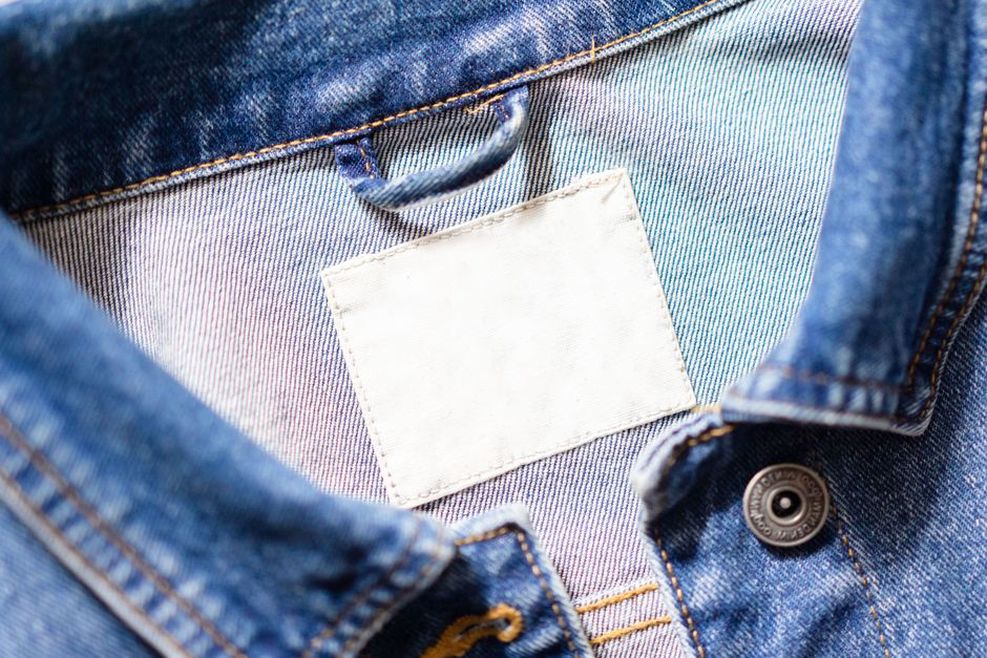
Authentic Summer of Love t‑shirts were made from 100% cotton, often with a heavier weight (around 6–7 oz per square yard) than modern tees. The fabric was dense but breathable, with a slight texture. Look for single‑stitch sleeve hems and a straight‑cut, boxy silhouette—no side seams, as the body was cut from a single tube of fabric. The collar was a narrow ribbed band, often with a visible seam where the two ends met. Tags were simple: Hanes, Fruit of the Loom, or less common British labels like Russell Athletic or Sunspel. A union label (a small stamp or tag saying “Union Made” or “Amalgamated Clothing Workers of America”) is a strong indicator of pre‑1970s production.
Printing Techniques: The Art of the Screen
Most Summer of Love shirts used plastisol ink, a thick, opaque medium that sits on top of the fabric. Over decades, this ink often cracks and fades in a distinctive way—collectors prize this “wear” as a sign of authenticity. Some early shirts used water‑based inks that sank into the cotton, leaving a softer, slightly faded look. Discharge printing, which bleaches the fabric to create a negative image, was also used, especially for dark‑coloured tees. Tie‑dye, a separate technique, involved twisting, folding, and dipping the shirt in vats of dye—often in bright rainbow colours. The results were unique, with no two shirts exactly alike. When examining a potential purchase, check the print for fine cracks and a slight stiffness; modern reproductions often use a softer, more flexible print that doesn’t age the same way.
Iconic Designs to Look For
- Band shirts: The Beatles, The Rolling Stones, Jimi Hendrix, The Grateful Dead, Jefferson Airplane.
- Peace and love slogans: “Make Love Not War,” “Flower Power,” “Give Peace a Chance.”
- Psychedelic graphics: Swirling patterns, melting faces, sunbursts, and typography inspired by the Fillmore posters.
- Political messages: Anti‑war statements, civil rights symbols, and psychedelic renderings of the American flag.
- Boutique exclusives: Shirts from London’s Granny Takes a Trip, often featuring custom artwork by local artists.
How to Authenticate a Vintage Find
Beyond the collar and tag, pay attention to the fabric’s feel. A genuine 1960s tee will have a slightly napped surface—like a soft, worn‑in flannel—compared to the smoothness of modern jersey. The print should match the era’s style: often a limited colour palette (two or three colours) and a hand‑drawn quality. Check the label’s font and placement; many reproductions use a modern font or a “vintage” label that looks too clean. Also, consider the size: vintage tees run small. A 1967 medium is closer to a modern extra‑small. If the shirt is oversized, be suspicious unless it was deliberately made that way for a specific design (e.g., a “concert-shirt” cut).
Berechtes Umgang: Care and Preservation
Once you own a piece of this history, treat it with respect. Wash in cold water on a gentle cycle, inside out, and hang to dry—never use a tumble dryer. Avoid bleach and fabric softeners, which can break down the ink and weaken the cotton. If the shirt has a heavy print, hand‑washing is safer. Store flat in a dark drawer or a cotton garment bag; light and humidity will accelerate fading and yellowing. For serious collectors, consider using archival tissue or acid‑free boxes. Do not dry clean—the chemicals can strip the print and alter the fabric’s patina.
Styling a Summer of Love T‑Shirt Today
Pairing a vintage tee with a modern wardrobe is about balance. Tuck it into high‑waisted denim trousers or a midi‑length A‑line skirt for a 1960s‑inspired silhouette. Layer it under a tailored blazer or a chunky cardigan for a contemporary twist. For a British summer look, combine it with a wide‑brimmed straw hat (we explored the Oversized Straw Hat: A British Summer Icon in a previous post) and a pair of simple leather sandals. If you want to anchor the outfit with a vintage hair accessory, a tortoiseshell hair claw—like The Margeaux Hair Claw in Toffee—adds a refined touch without competing with the graphic tee. The key is to let the shirt be the star; keep accessories minimal and natural.
Where to Seek Genuine Pieces in the UK
British vintage hunters have a few advantages. Car boot sales in the countryside, especially in the South East, occasionally turn up original 1960s tees. London’s vintage markets—Portobello Road, Camden Passage, and Brick Lane—have dealers who specialise in American imports. Online platforms like eBay and Depop require careful scrutiny of photos and tags; always ask for a picture of the inside collar and the label. Remember that a shirt with a faded “Sunshine” print or a frayed hem is not damaged—it is character. The cracking and wear tell the story of decades of love, of concerts danced in, of summers soaked in sun and music.
When you find a tee with a faded “Sunshine” print, check the inside tag for a union label—that’s a mark of pre‑1970s manufacturing. That small detail, that tiny stamp, is the difference between a reproduction and a direct line to 1967. Hold it up to the light; see the fine cracks in the ink. That is where the Summer of Love still lives.