
The Mini Daisy Alligator Clip: A Vintage British Hair Accessory Making a Comeback
When you hold a mini daisy alligator clip between your fingers, the first thing you notice is the weight—light, almost airy, yet the spring mechanism gives a reassuring snap. These small clips, often no longer than two inches, feature a stamped or moulded daisy flower at the hinge end, with the classic alligator-jaw teeth that grip hair firmly without pulling. They were a staple of British dressing tables from the late 1960s through the 1970s, and today they are quietly making a comeback among collectors who appreciate their precise engineering and cheerful botanicals.
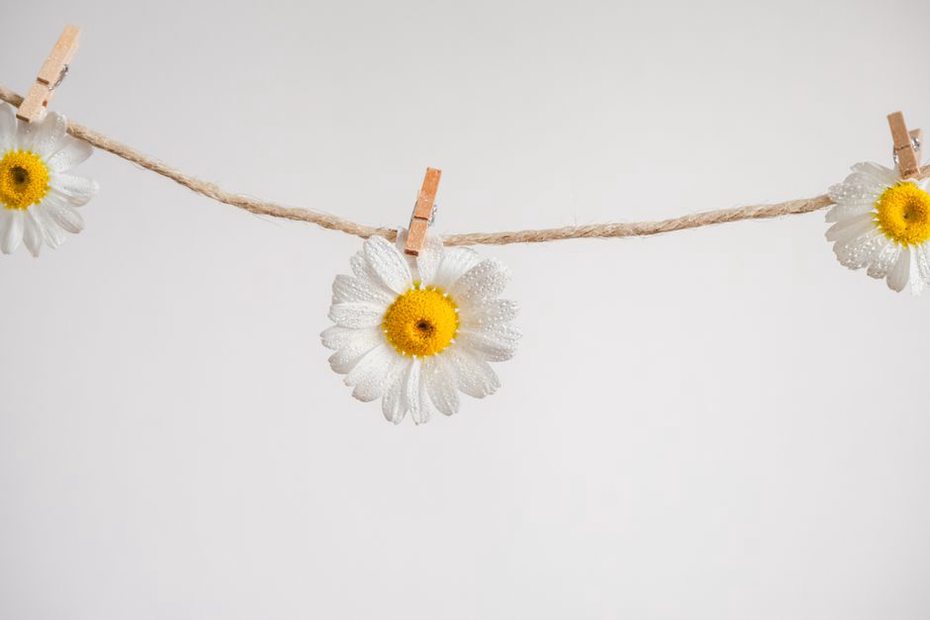
The daisy motif wasn't chosen by chance. In British fashion, the daisy has long symbolised simplicity and freshness—think of the flower-power movement that crossed the Atlantic and landed in London’s Carnaby Street. Mini alligator clips offered a practical way to secure small sections of hair, whether taming a side fringe, pinning back a single braid, or adding a playful accent to an updo. Unlike larger claw clips or barrettes, these mini clips work best in multiples: a row of three daisies along the temple, or two clips crossing at the nape of the neck.
A Brief History of the Alligator Clip in British Hair Fashion
The alligator clip—named for its toothy jaws that resemble an alligator’s mouth—first appeared in the early 20th century as a functional hair tool. It was not until the post-war plastics boom that manufacturers started adding decorative shapes to the hinge. British companies such as Gala and Bendicks produced injection-moulded clips in cellulose acetate and later in polystyrene, often hand-painted or foil-stamped with flowers. The daisy design became particularly popular after the 1967 Summer of Love, when floral motifs dominated accessories from headbands to handbags.
By the 1970s, mini alligator clips were sold in Woolworths and department stores across the UK, often packaged in sets of six or twelve. Women used them to create the iconic “half-up” hairstyle, securing the top section with a row of clips while leaving the rest loose. The daisy shape added a whimsical touch that contrasted with the structured tailoring of the era’s blazers and A-line skirts. Collectors today seek out clips with intact paint and strong springs, as the original metal springs tend to weaken over decades.
Materials and Craftsmanship: What Makes a Mini Daisy Clip Special
Authentic vintage mini daisy alligator clips were typically made from one of a few materials. The most common is cellulose acetate, a plant-based plastic that takes dye well and develops a warm patina with age. You can identify it by its faint vinegar smell when rubbed—a hallmark of early thermoplastics. Later clips, from the mid-1970s onward, used polystyrene or ABS, which are lighter and more brittle. The daisy itself was either moulded integrally with the clip or attached as a separate piece with a small rivet.
The spring mechanism is a coiled steel wire that sits inside the hinge. High-quality clips have a double-wrapped spring that provides even tension. To test a clip, open it slowly: it should resist evenly and snap shut cleanly. Avoid clips that feel loose or have visible rust on the spring—they will not hold hair securely. The teeth are usually smooth, not serrated, to prevent snagging. Some clips have a small rubber pad on the inner jaw, a rare feature that adds grip without damage.
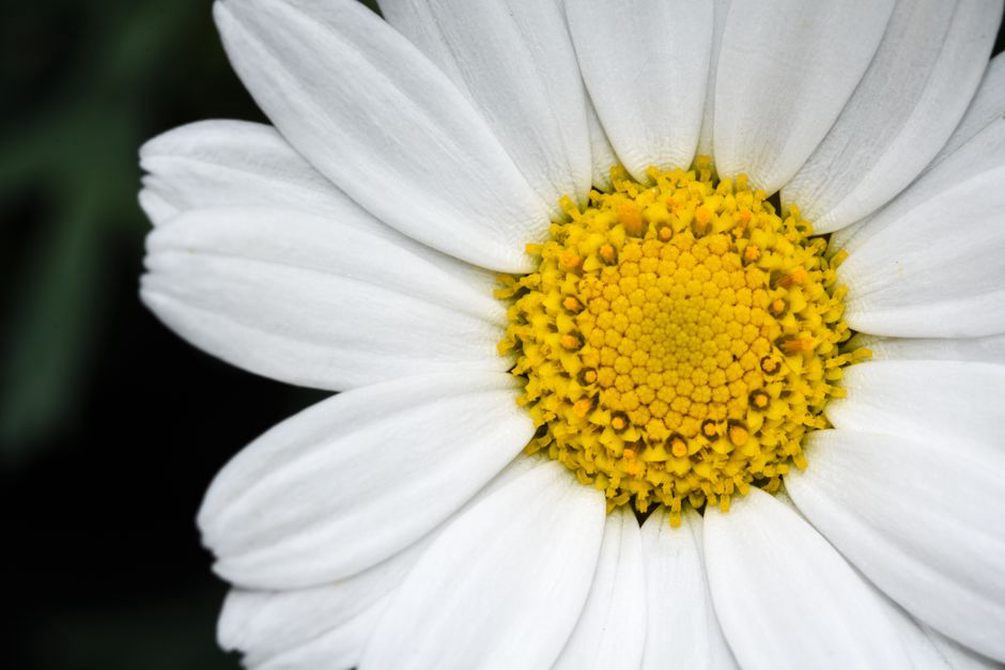
Colour is another important factor. British manufacturers favoured pastel shades: powder pink, baby blue, mint green, and cream. Bright primaries (red, yellow, blue) appeared in the early 1970s, often with a glossy finish. The most sought-after are clips with a hand-painted daisy centre in contrasting colour—for example, a white daisy with a yellow painted centre. These details indicate a higher production cost and are rarer today.
How to Wear Mini Daisy Clips in a Modern Wardrobe
The beauty of these clips lies in their versatility. Because they are small, they can be used in ways that larger accessories cannot. Here are three concrete ways to incorporate them into your daily style, whether you dress vintage or contemporary:
- Fringe tamer: If you have a short fringe or layered bangs, clip a single daisy at the temple to sweep hair away from your face. Position the clip horizontally or at a slight angle—the daisy will act as a natural ornament.
- Braid accent: After braiding a small section of hair (a Dutch or French braid), fasten the end with a mini alligator clip instead of an elastic. The teeth grip the braid securely, and the daisy sits at the finish like a tiny corsage.
- Cluster styling: Use three clips in a row along the hairline, spaced about an inch apart. This works especially well with a sleek low ponytail or a half-updo. Choose clips in the same colour for a cohesive look, or mix pastels for a playful nod to the 1970s.
For readers who enjoy blending vintage accessories with modern garments, consider pairing a set of pastel daisy clips with a crisp white shirt and tailored trousers—the contrast between soft floral and sharp lines is distinctly British. If you prefer a more romantic aesthetic, wear them with a flowing midi dress in a complementary hue. The key is to let the clips be the focal point; keep other jewellery minimal.
Care and Preservation of Vintage Alligator Clips
Because these clips are decades old, proper care extends their life significantly. First, never expose them to prolonged heat or direct sunlight—cellulose acetate can warp or discolour. Store them in a cool, dry drawer or a fabric-lined box, ideally separated by tissue paper to prevent scratches. If a clip becomes sticky (a common issue with old plastic), wipe it gently with a soft cloth dampened in lukewarm water and mild soap. Do not use alcohol or acetone, as these dissolve the surface.
For springs that have lost tension, a very gentle squeeze with flat-nose pliers can sometimes restore grip. However, be cautious: the metal is fragile and can snap. It is often better to accept a clip as a decorative piece rather than risk breaking it. If you find a clip with a missing daisy or a cracked hinge, consider repurposing it as a brooch pin or a charm on a bag—the flower motif still carries its vintage appeal.
When buying vintage clips online or at fairs, inspect the condition carefully. Look for clips that open and close smoothly without wobbling. Check the daisy for chips—minor edge chips are acceptable, but a missing petal reduces the clip’s charm. Ask the seller about the material if it is not labelled; many will know whether it is acetate or polystyrene. A fair price for a single clip in good condition ranges from £5 to £15, depending on rarity and colour. Sets of six or more can fetch £30 to £60.
Where to Find Authentic Mini Daisy Alligator Clips
British vintage fairs remain the best source. Events like the Alexandra Palace Vintage Fair or Frock Me! in London often have dealers specialising in 1960s and 1970s accessories. Charity shops in affluent areas sometimes yield surprising finds—look in the jewellery boxes or mixed accessory baskets. Online marketplaces such as Etsy and eBay have dedicated vintage sellers, but you must scrutinise photos for condition. Search terms like “vintage mini daisy hair clip”, “1970s alligator clip”, or “small floral hair grip” will narrow results.
For collectors who want to understand the broader context of these clips, reading about other vintage hair accessories helps build knowledge. For instance, the Green Edith Hair Clip: A Collector's Guide offers insight into how colour and material affect value in the vintage clip market. Similarly, the Cone Hair Clip: A British Vintage Essential explains the evolution of clip shapes—a useful comparison when evaluating daisy clips against other forms.
One final practical tip: when you acquire a mini daisy clip, test it on a small strand of hair before wearing it out. Open the clip fully, slide it over the hair section, and release. The teeth should hold firmly without slipping. If the clip slides off, the spring may be too weak for your hair texture. In that case, use it as a decorative accent on a braid or a low bun where tension is lower. A well-functioning clip, however, will stay put all day and bring a smile every time you catch its cheerful daisy in the mirror.