
The Cone Hair Clip: A British Vintage Essential
British women in the 1920s reached for cone hair clips to pin down Marcel waves, but few knew the engineering behind them. Unlike the broad cloud clip or the spring-loaded claw, the cone clip uses a tapered, conical shape that grips hair without excessive pressure. Its name comes from the geometric form—a narrow base that widens into a rounded cone, often with a slight curve to follow the head's contour. These clips, first appearing in the 1920s, became a hallmark of Art Deco's clean lines and functional elegance, remaining in production through the 1950s and 1960s, particularly in British haberdasheries and millinery shops.
Anatomy of a Cone Clip
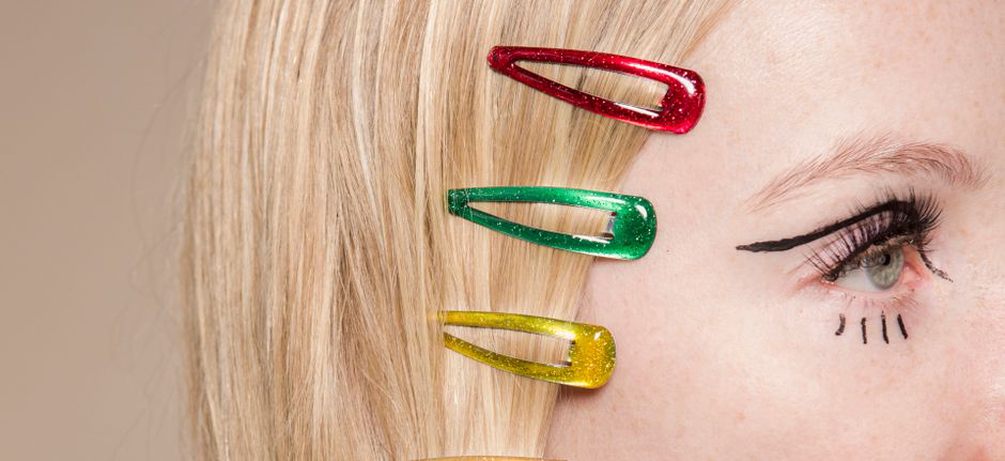
A genuine vintage cone clip is made from a single piece of material—usually celluloid, bakelite, or early plastic—with a metal spring hinge concealed inside the cone. The outer surface is smooth, often polished to a high gloss, and may be carved or inlaid with simple motifs. The teeth are short and set in a row inside the cone, gripping the hair from multiple angles. The cone clip's true strength lies in its ability to hold thick sections of hair (or even a full twist) while remaining lightweight. The conical shape also minimises snagging, as the hair slides naturally into the clip rather than being forced between flat prongs.
Materials and Craftsmanship
The most common material for British cone clips before the Second World War was celluloid, prized for its lightness and ability to mimic tortoiseshell or ivory. After the war, bakelite took over in darker shades—black, brown, and deep green—while brightly coloured plastics became popular in the 1950s. Some higher-end clips were made of sterling silver or nickel silver, with hand-engraved patterns. The craftsmanship is evident in the smooth join between the cone and the spring casing; cheaper modern reproductions often have a visible seam or a loose hinge. When collecting vintage cone clips, always check the spring tension—a good clip should close firmly but not stiffly, and the metal should be free of rust.
Identifying Genuine Vintage
- Look for a maker's mark or a patent number stamped on the inside of the clip. British manufacturers such as 'Bourjois' or 'S. R. & Co.' are common.
- Celluloid clips may have a faint camphor smell; bakelite has a distinct phenolic odour when rubbed.
- The colour should be even, with no fading or bubbling (a sign of celluloid degradation).
- Test the spring: vintage springs are usually steel with a zinc coating, not shiny stainless steel.
Cultural Silhouettes: The 1920s to the 1960s
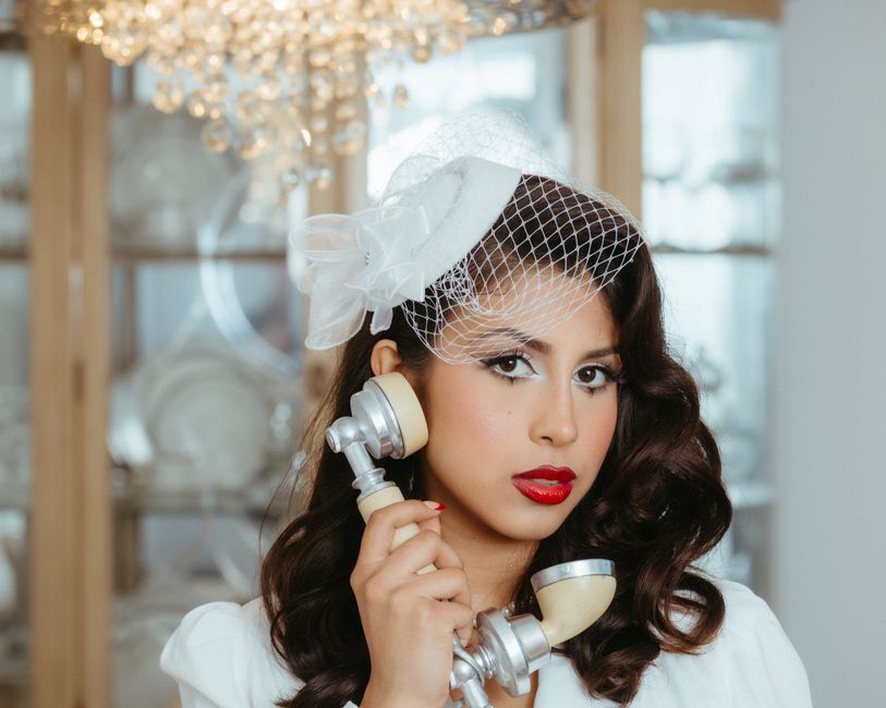
In the 1920s, cone clips were used to hold Marcel waves and short bobs, often placed at the temple or nape to secure pin curls. By the 1950s, they became essential for the voluminous half-up styles and French twists that defined British post-war elegance. The cone clip's ability to hold a rolled section made it a favourite for the 'victory roll' hairstyle—a silhouette that remains iconic in vintage revivals.
The 1960s saw cone clips used in more casual, swept-back looks, and they were often paired with a silk scarf or a bow. For a modern interpretation, try using a single large cone clip to anchor a low twist, leaving the ends loose for a soft, everyday style—a look that sits perfectly with the structured tailoring we explored in The Arizona Bow Barrette: A Desert Icon in British Hair, though the cone clip offers a more understated alternative.
Care and Preservation
Vintage cone clips require gentle handling. Celluloid is particularly sensitive to heat and light—store clips in a cool, dark box, never in direct sunlight or near a radiator. Clean with a soft, dry cloth; if the clip is especially grimy, lightly dampen the cloth with distilled water and wipe immediately dry. Avoid alcohol or acetone, which can dissolve early plastics. For bakelite clips, a drop of mineral oil on a cloth can restore the original lustre. Always open the clip fully before inserting it into hair to avoid stressing the hinge; never force it closed over a thick section of hair.
Where to Find Cone Clips Today
British vintage fairs, antiques markets, and estate sales are the best sources for original cone clips. Look for ones with intact springs and no cracks. Online marketplaces can be hit-or-miss; always ask for photos of the interior and the hinge. Because cone clips are less famous than the claw or the barrette, they remain relatively affordable, often priced between £5 and £20 for a single clip in good condition. A matched pair in a rare colour (such as translucent amber or coral) can fetch £40 or more.
If you are building a collection, start with a sturdy black bakelite clip—it will complement almost any vintage or modern outfit, from a crisp white shirt to a floral tea dress. And if you are drawn to the buttercup yellows and soft blues of the 1950s, you may find a kindred spirit in the palette explored in The Enduring Charm of Buttercup Yellow Vintage Hair Accessories, though our cone clips often arrive in more muted earth tones.
One final practical note: when wearing a cone clip, insert it at a slight angle—not straight down—so that the cone's widest part sits against the hair bulk. This distributes the hold evenly and prevents the clip from slipping. For a formal evening look, try a pair of silver-toned cone clips flanking a low chignon. The result is architectural, elegant, and unmistakably British.