
The Henrietta Lace Collar: A Vintage Hair Accessory with Edwardian Grace
If you have ever run your fingers across a piece of antique lace—perhaps at a car boot sale in the Cotswolds or in a dusty trunk passed down from a grandmother—you know the particular thrill of finding something both fragile and enduring. The Henrietta lace collar embodies that paradox. Originally a detachable accessory worn around the neck in the late Victorian and Edwardian eras, it has found a second life as a hair adornment, pinned into updos or woven through braids. For the vintage-minded reader in Britain, the Henrietta collar offers a way to bring genuine Edwardian craftsmanship into a modern wardrobe without sacrificing practicality.
What Exactly Is a Henrietta Lace Collar?
The term “Henrietta” in this context refers not to a person but to a specific type of silk-and-lace fabric popular in the 1880s and 1890s. Henrietta cloth was a fine, twilled silk with a soft matte finish, often used for blouses, dresses, and—most relevant to us—detachable collars. These collars were typically edged with handmade or machine-made lace, sometimes incorporating floral motifs, scalloped borders, or delicate netting. They were designed to be pinned or buttoned onto a dress bodice, protecting the garment from oils and dirt while adding a decorative flourish.
By the 1900s, the Henrietta collar had become a staple of the well-dressed woman’s wardrobe, particularly among the middle and upper classes in Britain. The collar was often paired with a high-necked blouse or a simple day dress, and its lace edge framed the face beautifully. But why are we discussing a neck accessory in a magazine about hair adornments? Because the same collars—or fragments of them—are now being repurposed as romantic, sculptural pieces for the hair.
From Neck to Crown: The Repurposing of Lace Collars
The transition from collar to hair accessory is not a modern invention. Women in the 1910s and 1920s, facing the rising popularity of shorter hair and simpler clothing, sometimes repurposed their grandmother’s lace collars into headpieces. A small collar could be pinned to a low chignon, or a lace fragment could be tucked into a side bun. The effect was soft, feminine, and deeply personal—a way to carry a family heirloom into a new decade.
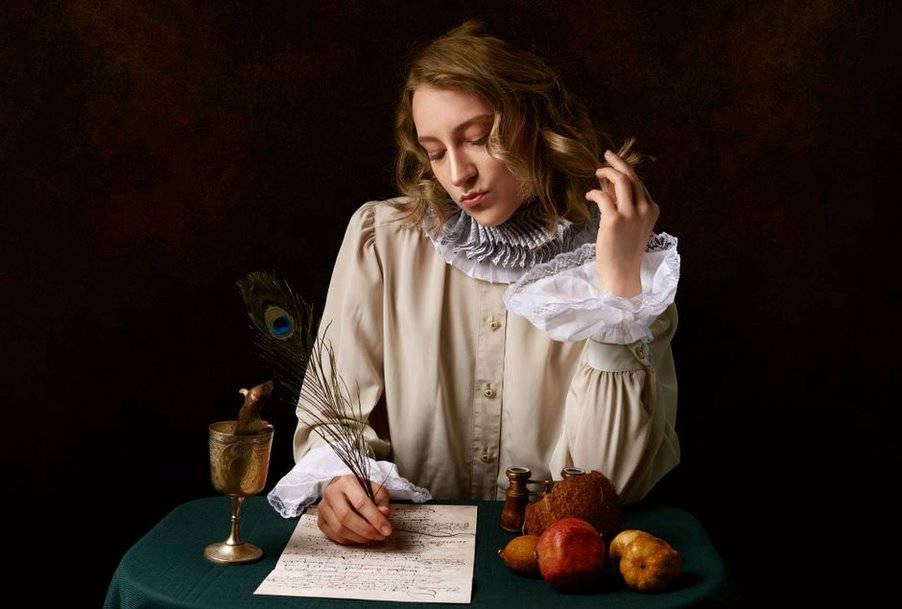
Today, that same impulse drives collectors and stylists. A genuine Henrietta lace collar, with its fine silk base and intricate lace edging, can be attached to a hair clip or comb and worn as a dramatic accent. Unlike modern reproductions, an original collar carries the patina of age—slight yellowing, a repaired tear, the faint scent of lavender from a long-ago drawer. These imperfections are not flaws; they are the collar’s history made visible.

Materials and Techniques: What to Look For
When you are searching for a Henrietta lace collar to use as a hair accessory, the devil is in the details. Here is what distinguishes a true Henrietta from a generic lace collar:
- Silk base: The foundation of the collar is a fine, twilled silk with a subtle diagonal weave. It feels smooth and slightly crisp, not flimsy or limp.
- Lace edging: The lace is usually a combination of machine-made netting and hand-embroidered motifs. Look for floral patterns, scalloped edges, and picot loops. The lace should be attached to the silk with tiny, even stitches—not glued.
- Construction: The collar is shaped to lie flat against the neck, with a gentle curve at the back. It may have buttonholes or small fabric loops for fastening. These original fastenings can be removed or incorporated into a hair clip design.
- Colour: Most surviving Henrietta collars are cream, ivory, or pale ecru. Pure white is rarer and often indicates a later reproduction. The natural ageing of silk gives the collar a warm, golden tone that is highly prized.
If you are buying online or at a fair, examine photographs closely. Are the lace motifs symmetrical? Is the silk intact, or does it show signs of shattering? Shattered silk—where the fibres have become brittle and split—is common in collars from the 1880s and 1890s, and while it can be stabilised, it makes the collar unsuitable for regular wear. A collar in good condition, with supple silk and intact lace, is a better investment for a hair accessory that you will actually use.
How to Wear a Henrietta Lace Collar in Your Hair
Wearing a collar in your hair is not as complicated as it sounds. Here are three approaches that work well with modern styling:
1. The Low Bun Accent
Gather your hair into a low, loose bun at the nape of the neck. Take the Henrietta collar and fold it in half lengthwise, so the lace edge faces outward. Pin the folded collar around the base of the bun, using bobby pins that match your hair colour. The lace will fan out like a delicate ruffled halo. This style works beautifully with a silk blouse or a simple cashmere sweater—the contrast between the ornate collar and a minimalist outfit is part of the charm.
2. The Side Sweep
For a more casual look, sweep your hair to one side and secure it with a low ponytail. Drape the collar over the elastic, then wrap the ends of the collar around the ponytail and pin them in place. The lace will cascade down your shoulder, mimicking the original neckline effect. This is an excellent way to show off the full length of the collar’s lace edging.
3. The Crown of Lace
If you are attending a wedding, a garden party, or a vintage-themed event, consider wearing the collar as a headband. Attach the collar to a thin, flexible metal hair comb (available from haberdashery shops or online) using a few discreet stitches. Slide the comb into your hair just above the forehead, with the lace arching backward like a tiara. This is a dramatic look that requires a steady hand and a bit of practice, but the result is unforgettable.
Caring for Your Henrietta Lace Collar
Because these collars are often more than a century old, they demand gentle handling. Here are practical tips to keep your Henrietta collar beautiful for years to come:
- Store flat, never folded. Folding creates permanent creases in the silk. Lay the collar flat in a acid-free tissue paper inside a box, or roll it loosely around a padded tube.
- Keep away from direct sunlight. Silk and lace are highly sensitive to UV light, which accelerates yellowing and embrittlement. Store the collar in a dark drawer or a closet.
- Clean only when necessary. If the collar becomes soiled, spot-clean with a damp, white cloth and mild soap. Never submerge the entire collar in water—the silk can shrink and the lace can lose its shape. For heavy soiling, consult a textile conservator.
- Avoid hair products. Hairspray, gel, and dry shampoo can leave residues that attract dust and discolour the silk. Put the collar in your hair after you have finished styling, not before.
If you are new to collecting vintage lace accessories, you may find it helpful to read our guide to the Chloe Tortoiseshell Hair Barrette, which covers similar principles of material care and authentication for another delicate vintage accessory.
Where to Find Authentic Henrietta Lace Collars
Henrietta collars are not common, but they are findable if you know where to look. Specialist vintage dealers at fairs such as the Olympia Vintage Textile Fair in London or the Ardingly Antiques Fair in West Sussex often carry them. Online marketplaces like eBay and Etsy can yield results, but you must be patient and willing to examine photographs carefully. Search terms such as “Edwardian silk lace collar,” “Henrietta cloth collar,” or “Victorian detachable collar” will narrow your results.
Prices vary widely depending on condition and lace complexity. A simple collar with minimal lace might cost £20–£40, while a finely worked piece with hand-embroidered motifs and intact silk can command £80–£150. If you find a collar with shattered silk but beautiful lace, you can carefully detach the lace and mount it on a new fabric base—a project that requires some sewing skill but preserves the most decorative element.
For those who prefer a ready-to-wear option, some contemporary artisans create new collars using vintage lace and modern silk. These are not Henrietta collars in the strict sense, but they capture the aesthetic and are often more durable for regular use. If you choose this route, look for makers who use natural fibres and traditional sewing techniques—the weight and drape of the collar will be closer to the original.
Pairing the Henrietta Collar with Modern Wardrobes
The key to wearing a Henrietta lace collar without looking like you are in costume is contrast. Pair it with clean, modern lines: a white cotton shirt, a grey wool dress, or a black turtleneck. The collar becomes the focal point, and the rest of the outfit recedes. For a more eclectic look, try it with a denim jacket or a leather skirt—the juxtaposition of fragile lace and tough fabric is very British, very now.
If you are interested in other vintage hair accessories that work well with contemporary clothing, you might enjoy exploring the Cone Flower Hair Clip, a mid-century design that shares the Henrietta collar’s ability to elevate a simple outfit.
The Henrietta lace collar is not a quick trend. It is a piece of textile history that asks to be touched, worn, and understood. Whether you pin it into your hair for a wedding or simply keep it in a drawer as a reminder of the hands that made it, you are participating in a tradition of reuse that stretches back more than a century. That is the quiet magic of vintage accessories—they connect us to the past without asking us to live there.