
The Quiet Revival of Freshwater Pearl Glasses Chains
On a drizzly Saturday morning at a Sussex car boot sale, I spotted a tarnished silver chain with tiny, uneven pearls – a forgotten glasses chain from the 1920s. That chance find sparked a fascination with how freshwater pearls, once considered less precious than their ocean counterparts, have become a beloved material for eyewear accessories. Today, freshwater pearl glasses chains are quietly enjoying a revival among British vintage enthusiasts who value both practicality and quiet elegance.
A Brief History of Eyewear Chains
Glasses chains have been around as long as spectacles themselves. In the Victorian era, lorgnettes – glasses on a handle – were often suspended from ornate chains pinned to a bodice. By the early 20th century, pince-nez and later round wire frames were secured with delicate metal or beaded chains, often embellished with seed pearls.
The 1950s saw the rise of cat-eye frames, and women wore pearl-studded chains to keep their reading glasses within reach while adding a touch of glamour. Freshwater pearls became a practical alternative to expensive natural pearls after cultured pearl farming techniques spread from Japan in the 1920s, making them more affordable and widely available for everyday accessories.
Materials and Craftsmanship
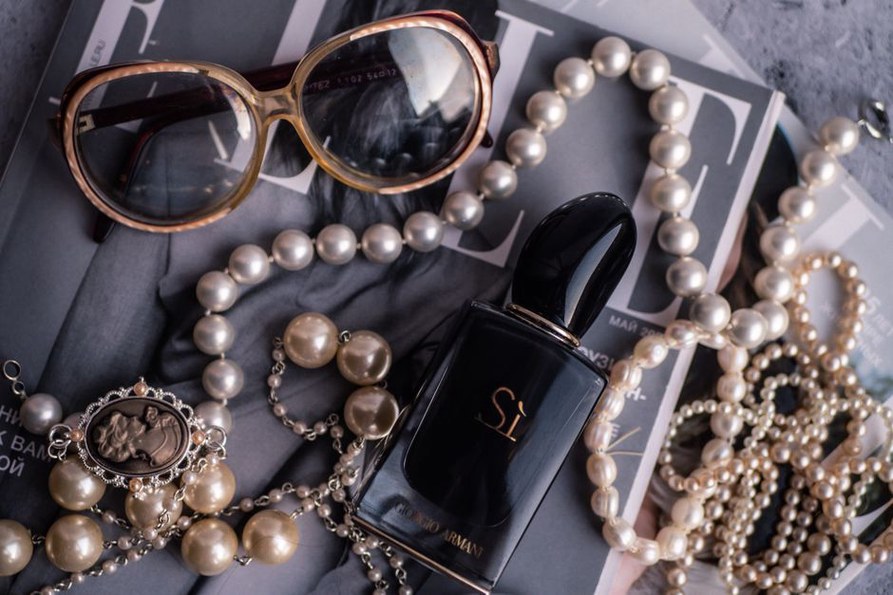
Freshwater pearls differ from saltwater pearls in several ways that matter to collectors. They are grown in mussels in lakes and rivers, typically producing a higher yield per mollusc. This allows for a greater variety of shapes – round, near-round, oval, baroque, and even the distinctive “rice” shape. When selecting a vintage or modern freshwater pearl glasses chain, look for these quality indicators:
- Lustre – a sharp, mirror-like reflection indicates good nacre thickness. Dull pearls may be old or poorly cultivated.
- Surface – minor blemishes are natural, but heavy pitting or cracks reduce value.
- Colour – classic white, cream, pink, lavender, or even dyed pastels. Vintage chains often feature off-white pearls that have mellowed with age.
- Drilling and stringing – pearls should be strung on silk or sturdy nylon, with a knot between each pearl to prevent loss if the thread breaks. Metal findings – clasps, jump rings, and end caps – are typically sterling silver, gold-filled, or brass. Look for hallmarks on vintage pieces.
Iconic Silhouettes of the 20th Century
Certain eras produced particularly memorable styles of pearl glasses chains. The 1920s favoured long, Art Deco geometric chains with small baroque pearls and black onyx accents. The 1950s brought shorter, more delicate chains – often 18 to 22 inches – designed to match the pastel hues of cat-eye frames. In the 1970s, bohemian influences led to longer, multi-strand chains with mixed pearl sizes and wooden beads.
For the vintage collector, a 1950s single-strand chain with uniform 4–5 mm freshwater pearls remains a versatile classic that pairs easily with both mid-century frames and modern tortoiseshell styles.
Where to Find Vintage Freshwater Pearl Glasses Chains
The hunt is part of the pleasure. British charity shops, particularly in affluent areas, sometimes yield overlooked pieces. Antique fairs and flea markets – such as those in Portobello Road or Newark – are excellent hunting grounds. Online marketplaces like eBay and Etsy allow you to search by decade, material, or length. When buying vintage, examine the clasp mechanism: trigger clasps and lobster clasps are common; magnetic clasps are usually a later addition. Check the thread for fraying – re-stringing is possible but adds cost. A well-preserved chain from the 1950s can be found for £15–£40, while rarer Art Deco examples may reach £100 or more.
Styling a Pearl Glasses Chain with a Modern Wardrobe
A freshwater pearl glasses chain does not have to look old-fashioned. Worn with a crisp white shirt or a cashmere jumper, it becomes a subtle nod to heritage. For a more layered look, try pairing it with a long pendant necklace or a vintage hair accessory – a tortoiseshell claw clip or a silk ribbon – to create a cohesive retro-modern aesthetic. Keep the metal tones consistent: silver chain with silver frames, gold with gold. If your glasses are bold or brightly coloured, a simple white pearl chain balances them without competing. For evening, a chain with lustrous pearls and a small crystal accent can transform everyday spectacles into a statement piece.

Caring for Your Pearl Glasses Chain
Freshwater pearls are organic and porous, so they require gentle handling. Avoid exposing the chain to hairspray, perfume, or household chemicals – these can dull the nacre. Wipe the pearls with a soft, dry cloth after each wear to remove oils and dust. Store the chain flat in a soft pouch or a lined jewellery box; never hang it, as the thread may stretch or break. If you notice the silk thread becoming loose or discoloured, take the chain to a jeweller who specialises in pearl restringing. With proper care, a well-made freshwater pearl glasses chain can last for decades and even be passed down.
Next time you visit a vintage fair, bring a small magnifying glass to inspect the pearl surface and clasp condition. That’s the best way to spot a chain that’s survived decades in good shape – one that could become a quiet signature piece linking your eyewear to a century of craftsmanship.