
Frank Usher Lace Dress: A Vintage British Classic
Frank Usher, the British label founded in the 1950s by the eponymous designer, became synonymous with elegant eveningwear and, most memorably, the lace dress. Unlike many mass-produced garments of the era, a Frank Usher lace dress was built on a foundation of meticulous craftsmanship—often using Nottingham lace, a textile woven on the region’s famous Leavers machines that produce a dense, intricate pattern with a subtle three-dimensional quality. The label’s signature was a fitted bodice, a gently flared skirt, and a modest neckline that still managed to feel romantic rather than demure. For the vintage hair accessory collector, these dresses offer a perfect canvas: the delicate lace does not compete with a statement hair comb or a velvet bow; it frames them.
The House of Frank Usher: A Brief History
Frank Usher began as a small London-based manufacturer specialising in high-quality evening separates. By the 1960s, the brand had earned a reputation for its lace dresses, which were sold in department stores such as Harrods and Selfridges. The company’s design philosophy leaned towards timelessness—avoiding extreme trends in favour of shapes that flattered a range of body types. Many of their dresses from the 1960s and 1970s feature scalloped hems, three-quarter sleeves, and a back zipper concealed beneath a fabric flap. The lace itself was often overlaid on a silk or rayon lining, giving the garment structure while allowing the pattern to breathe. Today, vintage Frank Usher dresses are sought after not only for their beauty but for their durability; a well-maintained example can still be worn to a wedding, a garden party, or a special evening out.
Materials and Techniques: What Makes the Lace Special
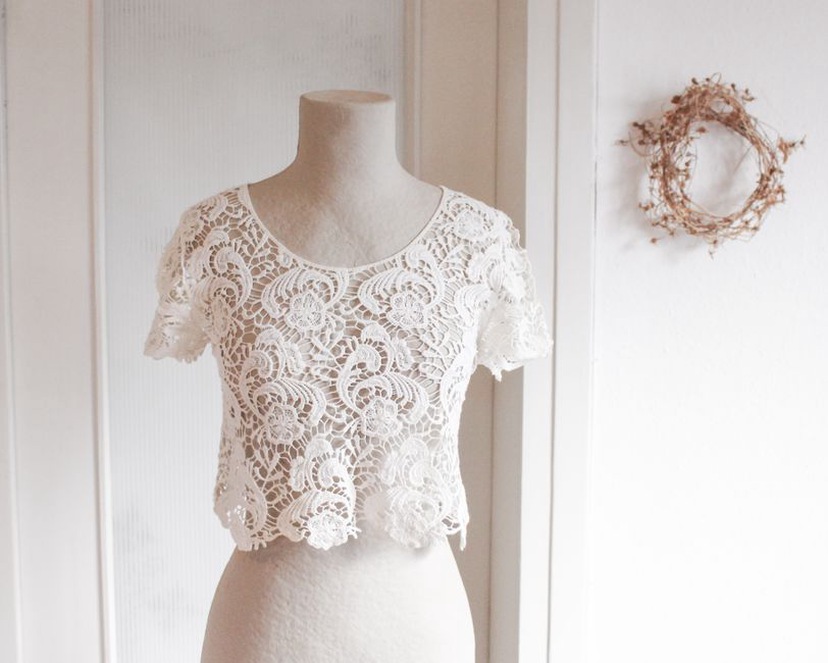
The lace in a Frank Usher dress is typically a chemical lace (also known as Schiffli embroidery) or a machine-made Nottingham lace, but the quality is far above standard commercial lace. The motifs—floral sprays, geometric medallions, or trailing vines—are embroidered onto a net base, then cut and applied to the garment. The edges are often finished with a hand-rolled hem or a narrow satin binding. Inside, the seams are French-seamed or bound with silk ribbon, a detail that signals the dress’s premium positioning. When examining a potential purchase, look for the original label: a woven satin tag reading “Frank Usher London” with a crown motif. The lining should be intact and free of large stains, as the lace itself is delicate to clean.
Identifying a Genuine Vintage Piece
- Label: Woven label with “Frank Usher London” and sometimes a small crown. Later labels (1980s) may say “Frank Usher for…” or include a size number.
- Construction: Look for a side metal zipper (often YKK) with a fabric guard. The dress will have a full lining, usually in a neutral colour that matches the lace.
- Lace pattern: Repeated floral or abstract motifs with a distinct relief; the pattern should align at the seams, indicating careful cutting.
- Hem finish: Often scalloped or with a narrow lace edging; never a raw edge.
Iconic Silhouettes and How They Pair with Hair Accessories
The classic Frank Usher lace dress comes in two main silhouettes: the A-line shift (popular in the 1960s) and the fitted bodice with full skirt (1970s and early 1980s). Both styles leave the neck and shoulders visible, making them ideal for showcasing a vintage hair clip or comb. A tortoiseshell hair slide, for instance, echoes the warm tones often found in the floral motifs of a cream or champagne lace dress. A velvet bow—perhaps in deep burgundy or navy—adds a contrasting texture against the lightness of the lace. For a more understated look, a simple metal barrette with a single pearl can be placed at the nape of the neck, drawing attention to the dress’s back detail. The key is to choose a hair accessory that complements the era of the dress without overpowering the lace. A 1960s shift dress calls for a sleek, minimalist clip, while a 1970s full-skirted dress can support a larger ornament.

Care and Preservation: Keeping the Lace Alive
Vintage lace requires a gentle hand. Avoid machine washing; instead, hand-wash the dress in cool water with a mild detergent formulated for delicates. Submerge the dress, swish gently, and rinse with cool water until no suds remain. Never wring or twist the lace—press the water out by rolling the dress in a clean white towel. Lay flat to dry away from direct sunlight. For stubborn stains, consult a professional textile conservator. Storage is equally important: hang the dress on a padded hanger with a muslin cover, or fold it in acid-free tissue paper inside a archival box. The weight of the lace can cause creases, so avoid stacking heavy items on top. Regular airing (once a season) helps prevent mustiness and allows you to check for any developing damage.
Styling for Modern Occasions
A Frank Usher lace dress is not a museum piece—it can be worn today with confidence. Pair it with simple leather flats or low-heeled pumps, a structured handbag in a solid colour, and minimal jewellery. The hair accessory becomes the focal point. For a daytime event, a small tortoiseshell hair clip (similar to the Eloise design we’ve covered before) adds a gentle vintage touch. For evening, a crystal-studded comb or a silk bow can elevate the look. The dress itself should remain the star; the hair piece should feel like a natural extension of the outfit, not a separate statement. If the dress has a high neck or long sleeves, consider pulling your hair up into a low chignon and securing it with a decorative comb. If the dress is sleeveless, a side part with a single clip at the temple creates a balanced silhouette.
Sourcing Your Own Frank Usher Lace Dress
Vintage Frank Usher dresses appear regularly on British auction sites, in charity shops, and at specialist vintage fairs. Prices vary widely: a common 1970s style in good condition might cost £60–£120, while a rare 1960s shift with original tags can exceed £300. When buying online, ask the seller for measurements (bust, waist, hip, and length) and close-up photos of the label and any flaws. Because the dresses are made from lace, they often have a bit of stretch, but the lining does not—so the fit is determined by the lining. Look for a dress that matches your natural waist and bust, as alterations on lace are difficult and costly. A slightly too-large dress can be taken in at the side seams by a skilled seamstress, but avoid any dress with large tears in the lace or a damaged zipper unless you are prepared for a professional repair.
Once you have your dress, take the time to clean it before wearing, even if it looks clean. A gentle hand-wash will remove dust and any lingering odours from storage. Then, choose your hair accessory with care. For a recent find—a 1970s Frank Usher dress in blush pink lace—I paired it with a simple silver barrette and a low side bun. The effect was understated but distinctly polished, and it reminded me why these dresses have endured. They are not just garments; they are invitations to consider the whole picture, from the lace at your shoulders to the clip in your hair.