
The Red Crochet Beret: A Vintage Headwear Staple Revisited
There is a particular shade of red that appears again and again in vintage crochet patterns from the 1940s and 1950s – a warm, slightly brick-toned crimson, often labelled simply as “cardinal” or “cherry”. That colour, worked in a tight double-crochet stitch, defines the classic red crochet beret. Unlike its felt or tweed cousins, the crochet version has a distinct texture and a soft, forgiving structure that sits lightly on the hair, making it a favourite among those who love vintage accessories but also value practicality.
For the collector of vintage hair accessories, the red crochet beret occupies a curious middle ground. It is not a hair clip or a comb, but it frames the face and interacts with the hairstyle in a way that few other hats can. A well-made beret can be pinned in place with a vintage hair slide or held with a tortoiseshell comb, turning it into a deliberate part of your hair styling rather than just a cover. This article explores the origins, materials, and modern styling of the red crochet beret, with a focus on how to choose and care for one that feels genuinely vintage.

A Brief History of the Crochet Beret in Britain
Crochet as a home craft boomed during the Second World War, when wool was rationed and women turned to repurposing yarn from old garments. The beret shape – a flat circle gathered into a band – was economical: it used little yarn and could be finished in an evening. Patterns for “utility berets” appeared in women’s magazines like Woman’s Weekly and Stitchcraft, often in red because the dye was readily available and the colour lifted the austere clothing of the period.
After the war, the crochet beret remained popular through the 1950s, especially among younger women who wore it tilted to one side, secured with a decorative hatpin or a small comb. The red beret became a signature accessory for the “Teddy girl” subculture in the early 1950s, paired with a long drape jacket and rolled-up jeans. By the 1960s, the beret had shifted from everyday wear to a statement piece, often crocheted in brighter synthetic yarns that mimicked the pop colours of the decade.
Materials and Craftsmanship: What to Look For
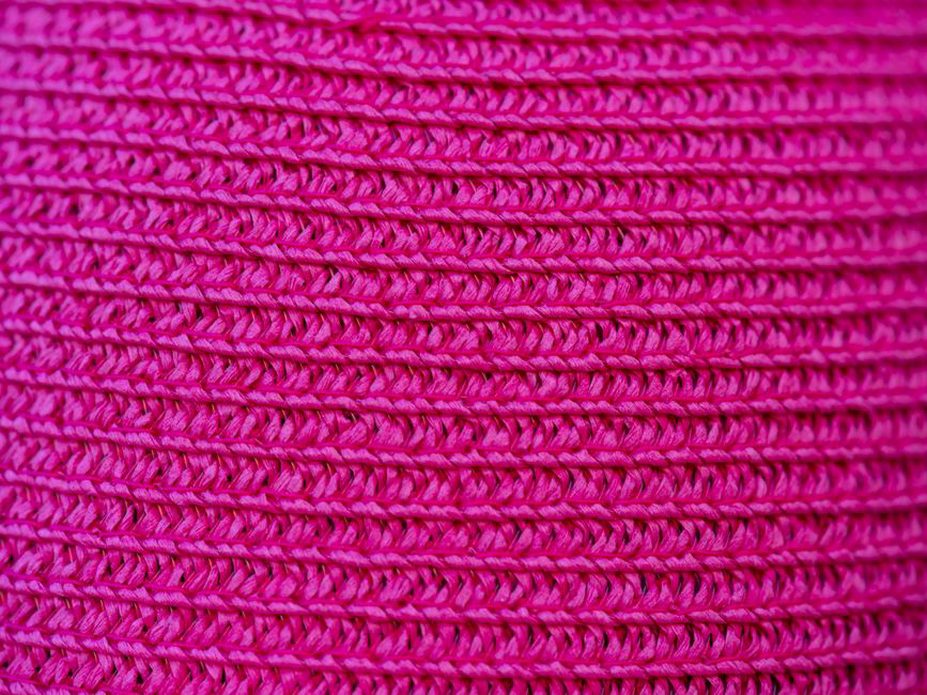
When hunting for a vintage red crochet beret, the yarn composition tells you a lot about its age and quality. Pre-1960 berets are almost always made from pure wool or a wool‑cotton blend. The wool gives the beret a slight halo and a warmth that synthetic fibres cannot replicate. The crochet stitches should be even and tight – a loose gauge means the beret will stretch out of shape quickly. Look at the crown: a true vintage beret often has a central ring or a small spiral start, not a simple chain loop.
Another hallmark is the band. Many vintage berets have a ribbed or single‑crochet band that is worked separately and sewn on. The seam should be neat, preferably hand‑stitched. If the band is machine‑knitted or made from a different material (like a commercial elastic), the beret is likely a 1970s or later reproduction. The red dye should be colourfast – test with a damp white cloth on an inconspicuous spot if you are buying second‑hand.
Modern Reproductions vs. Original Vintage
There is a thriving market for handmade crochet berets in the style of the 1940s, often sold by small crafters on Etsy or at vintage fairs. A good reproduction uses period‑appropriate yarn and follows an original pattern. The advantage is that you can choose the exact shade of red and the size that fits your head. The disadvantage is that the wool may not have the same aged patina – and some modern acrylic yarns lack the breathability of vintage wool.
If you prefer an original vintage piece, expect some signs of wear: slight pilling, a faint moth‑hole or two, or a stretched band. These can often be repaired. The patina of a genuine 1940s beret is something that cannot be faked, and many collectors value it precisely for that lived‑in character.
Styling a Red Crochet Beret with Modern Hair Accessories
The red crochet beret is surprisingly versatile with contemporary wardrobe staples. Because the beret itself is textured and colourful, it works best as the focal point. Keep the rest of your outfit simple – a cream roll‑neck jumper, dark denim, and leather ankle boots let the beret speak. For hair, the beret pairs beautifully with a low chignon or a side braid. If you have short hair, tuck the ends under the beret and use a small vintage hair comb to secure the beret to your hair at the temple.
One of my favourite combinations is a red crochet beret with a pair of tortoiseshell midi barrettes – the warm brown of the tortoiseshell echoes the earthy undertones of the red. For a more dramatic look, try a black beret with a red dress, but the reverse (red beret, black dress) is the classic. You can also experiment with a red beret and a floral print dress from the 1950s – the contrast between the solid red and the pattern is very effective.
If you own a collection of vintage hair clips, you might consider using one to pin the beret in place. A single claw clip at the nape of the neck can hold both the beret and a low ponytail. For a more polished effect, slide a decorative hair comb into the side of the beret – the comb will anchor the hat and add a touch of sparkle. The Catarina Collection of six vintage-inspired hair comb colours includes a deep ruby shade that coordinates beautifully with a cardinal‑red beret.
Care and Storage of a Crochet Beret
Wool crochet berets need gentle handling. Hand‑wash in cool water with a mild wool detergent, never wring or twist. Roll the beret in a towel to remove excess water, then shape it flat on a drying rack – do not hang it, as the weight of the wet wool will stretch the crown. To restore the shape, you can block the beret over a dinner plate (for the flat circle) and a small bowl (for the crown), pinning it in place until dry.
Store your red beret flat in a drawer or on a shelf, away from direct sunlight which will fade the red dye over time. If you must fold it, place acid‑free tissue paper inside to maintain the dome. Moth protection is essential – use cedar balls or lavender sachets, but keep them away from direct contact with the wool to avoid staining.
Repairing Minor Damage
A small moth hole can be darned with matching yarn. If you cannot find an exact red, choose a slightly darker shade – the repair will be less noticeable. For stretched bands, you can sew a thin elastic cord inside the band to restore the fit. Always test any repair on a hidden area first. If the beret has sentimental or collector value, consider consulting a textile conservator.
Where to Find Vintage Red Crochet Berets
British charity shops, vintage fairs, and online marketplaces are the best sources. Look for keywords like “1940s crochet beret”, “utility beret”, or “Teddy girl beret”. Be patient – the right shade of red and the right size can take time to find. When buying online, ask the seller for measurements of the band circumference and the diameter of the crown. A typical adult beret has a band circumference of 54–58 cm, but vintage sizes can run smaller.
If you are handy with a crochet hook, making your own is also a rewarding option. Many original patterns from the 1940s have been digitised and are available for free. Using a vintage pattern and a good quality wool yarn in a deep red will give you a bespoke piece that fits perfectly and honours the craft tradition. You can then style it with a set of vintage-inspired barrettes, such as the Buttercups Midi Colors 3 Set, to create a cohesive vintage look.
One last tip: never store a red beret next to light-coloured woollens, as the dye can migrate, especially if the beret is damp. A separate cotton bag is a simple solution. With careful handling, a red crochet beret can last for decades – and become a cherished part of your vintage accessory rotation.