
How to Write an About Page for Your Vintage Hair Accessories Blog
The About page is often the most visited yet most neglected corner of a vintage blog. When I first started documenting my collection of Victorian hair combs and 1920s bandeaus, I spent weeks perfecting product descriptions and styling guides, but the ‘About’ page remained a blank white space. I told myself no one reads it, that it was just a formality. But after a reader emailed saying she’d been collecting Art Deco hair slides for a decade and had never found a blog that felt like a conversation with a fellow enthusiast, I realised I had been missing an opportunity to share the very thing that makes a collection meaningful: the story behind it.
Why the About Page Matters in a Vintage Collection Blog
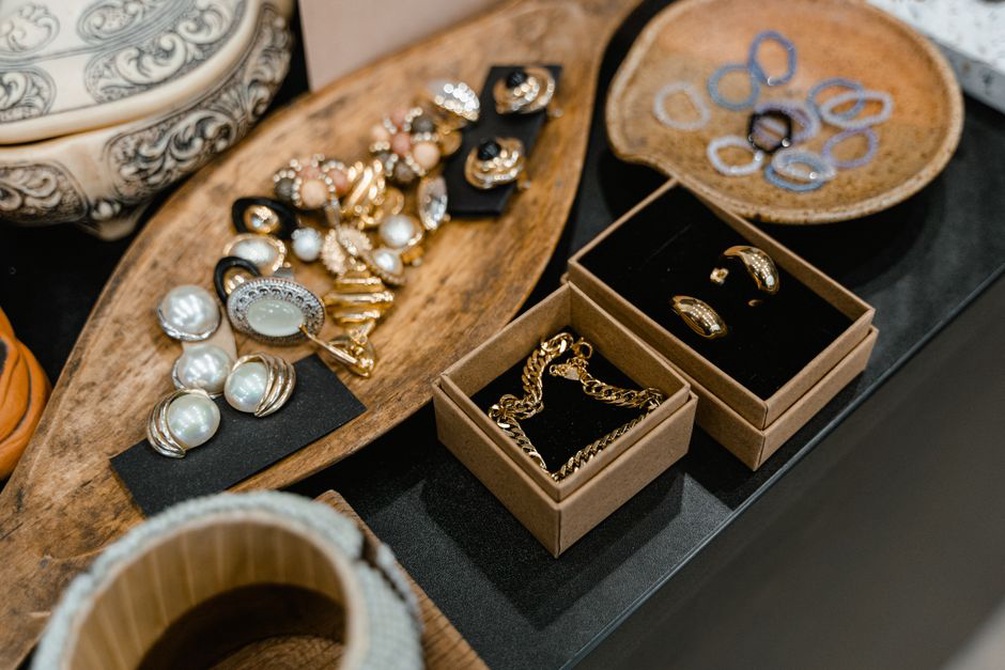
Every vintage hair accessory has a past—a journey from an Edwardian dressing table to a charity shop, from a 1950s dance hall to a flea market stall. Your About page is the place to tell the parallel story of your own journey as a collector. It answers the question readers are too polite to ask: Why are you the right person to guide me through this world? It builds trust, sets the tone for your writing, and invites others to see their own passion reflected in yours.
For a UK audience steeped in the tradition of market stalls, jumble sales, and inherited treasures, the About page is also a chance to root your blog in a specific geography and time. Whether you focus on the Hornby hairpins of the 1930s or the glittering hair clips of the 1980s New Romantic era, your personal context—where you find your pieces, how you store them, what you overlook—adds texture that no product description can replicate.
What to Include in Your About Page
A great About page feels like a warm introduction over tea, not a résumé. It should include:
- Your origin story. What was the first vintage hair accessory that stopped you in your tracks? A single Bakelite hairpin? A tortoiseshell comb at a car boot sale in Suffolk? That moment is the seed of everything that follows.
- Your collection focus. Do you specialise in a specific era—Edwardian, 1920s, 1960s—or a material, such as celluloid, silver, or semi-precious stones? Being narrow helps readers who share that niche feel seen.
- Your values. How do you approach sustainability, preservation, and ethical sourcing? Even if you don’t brand yourself as ‘eco-friendly’, the way you care for original pieces speaks volumes.
- Your voice. Are you a historian, a stylist, a restorer, or a bit of each? Let your personality shine through the words you choose. If you have a dry wit, use it. If you are reverent, let that reverence sit quietly on the page.
- An invitation to connect. Encourage readers to share their own finds, ask questions, or suggest topics. Just as a well-crafted contact page can reflect the character of your collection, an About page that ends with a genuine invitation turns a monologue into a dialogue.
Common Pitfalls to Avoid
The most common mistake is treating the About page as a static afterthought. Update it as your collection grows. A page that mentions only your first five hairpins feels stale when you now own a hundred. Another pitfall is writing in a tone that doesn’t match your blog posts. If your articles are detailed and warm, your About page should not suddenly become stiff and corporate. Finally, avoid the urge to list every piece you own. Instead, choose a handful of representative items that tell a story—for example, the Edwardian comb that survived a fire, the 1970s bandeau that changed your colour palette, or the hair clip that you still wear every week.
How to Find Your Authentic Narrative
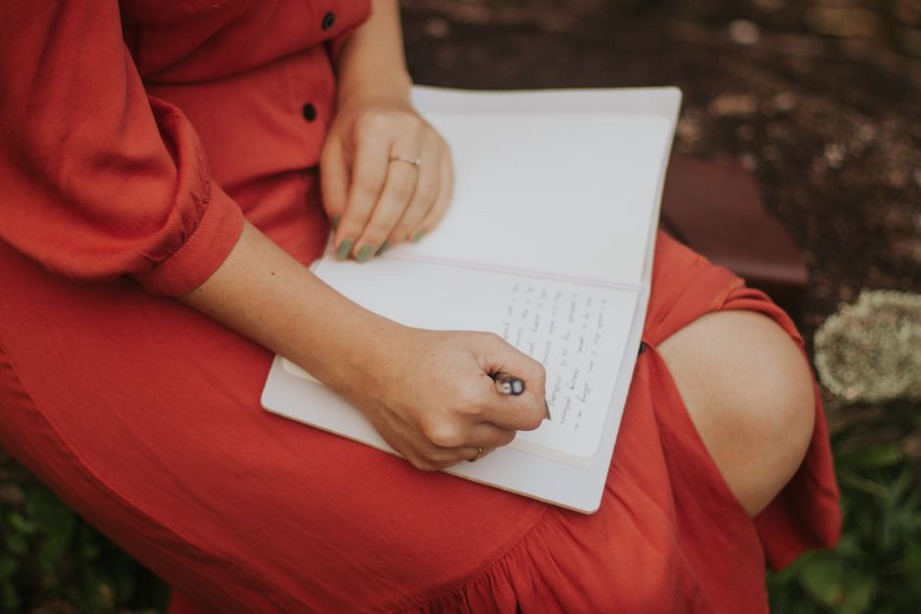
If you are unsure where to start, try this exercise: Write down three words that describe the emotional experience of collecting vintage hair accessories for you. Maybe they are discovery, memory, and craft. Then look at your best-loved pieces and ask why those words resonate. The Edwardian hairpin might remind you of your grandmother’s vanity table; the 1980s sequin clip might evoke the joy of dressing up for a party. These connections are the raw material of your About page. You do not need to write a memoir—just a few paragraphs that feel true to your experience.
For British collectors, there is also a quiet tradition of understatement. You do not have to declare yourself an expert. Saying ‘I have been searching for beautifully made hair accessories for over a decade’ is more inviting than claiming authority. Let your knowledge emerge through the details you share, not through self-promotion.
Practical Tips for the Final Draft
Once you have written a draft, read it aloud. Does it sound like you? Does it make you want to keep reading? Ask a friend who knows nothing about vintage hair accessories to describe what they learned about you from the page. If they can picture your collection, your passion, and your invitation to explore, you have done well. Keep the length under 500 words—people rarely read more than that on a first visit—and include a small, clear photo of you with a favourite piece. That image humanises the screen and reminds readers that behind every beautifully photographed hairpin there is a real person who loves it.
Pick one piece from your collection—maybe the first one you ever bought, or the one with the best story. Write a single paragraph about why it matters to you. That paragraph could become the heart of your About page. Then build the rest around it. Your About page is not a biography; it is a handshake. Make it warm, truthful, and distinctly yours.