
How to Build a Vintage Headband Collection: A Collector’s Guide
There is a particular moment of quiet triumph when, after months of searching, you finally hold a Victorian silver filigree headband in your hands. The metal is cool, the workmanship impossibly fine — tiny flowers and leaves hammered into a flexible band that once rested across a lady's forehead at a London dinner party. That moment, that connection to a specific past, is what separates a collection from a mere accumulation. A collection headband is not just an accessory; it is a personal narrative, a thread that ties together decades of design, craftsmanship, and social history.
Unlike single hairpins or brooches, headbands offer a substantial canvas. They frame the face, announce an era, and, when chosen with care, become the anchoring piece of a vintage wardrobe. Building a thoughtful collection of these pieces requires knowledge, patience, and a clear eye. We'll walk through the eras, materials, and practical considerations that turn a handful of headbands into a meaningful assembly.
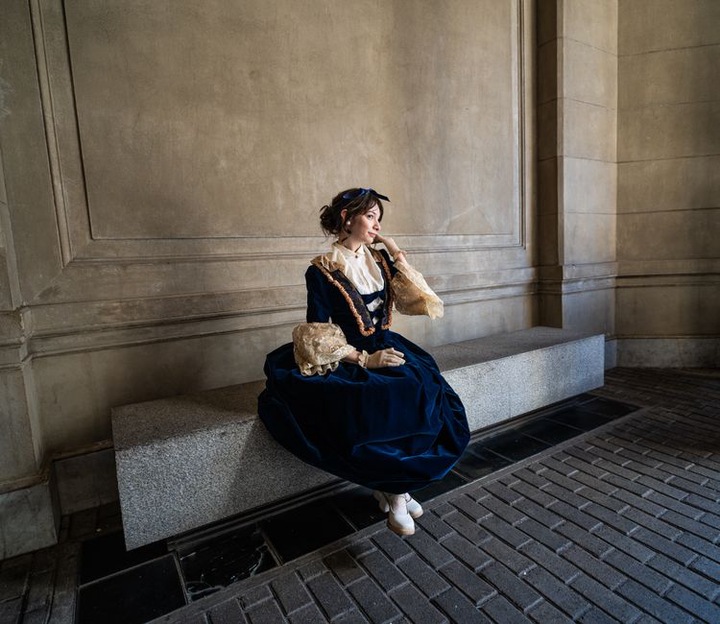
Defining the Collection Headband: What Makes It Worthy of an Intentional Set?
Not every vintage headband belongs in a collection. The difference lies in intention. A collection headband typically possesses one or more of these qualities:
- Era-defining design: It embodies the silhouette, material, or technique of a distinct period — the rigid, jewel-encrusted bandeaus of the 1920s, the sculptural plastic forms of the 1950s, or the velvet-covered padded bands of the 1980s.
- Quality of craftsmanship: Hand-painted enamel, genuine tortoiseshell (pre-ban), sterling silver, or intricate metalwork. These pieces were made to last, and they have.
- Provenance or scarcity: A headband from a known maker, a limited production run, or one that survives in unusually good condition.
- Versatility with contemporary dressing: The best collection pieces are not museum artefacts — they integrate into modern outfits, proving that vintage has a living role in today's wardrobe.
When you begin, resist the urge to buy every pretty band you see. Instead, define a focus. Some collectors pursue a single era; others chase a specific material (celluloid, German silver, bakelite). A focused collection tells a tighter story and carries more personal meaning.
A Timeline of Silhouettes: Headbands Through the Decades
Edwardian and Belle Époque (1890s–1910s)
The earliest true headbands in the modern sense were often rigid, metal bands worn low on the forehead, sometimes called bandeaux or ferronnières. They echoed medieval and Renaissance styles, set with gemstones or intricate filigree. These pieces are rare and delicate; many survive only in museum collections. If you find one at auction, examine the clasp and hinges — they are often the first points of failure.
The 1920s: The Bandeau Revolution
The flapper era made the headband iconic. Wide, often beaded or sequined, and worn low across the brow, these bands complemented the bobbed haircut and dropped-waist dresses. Materials ranged from silk velvet to metal mesh set with rhinestones. Look for pieces with intact beadwork — re-stringing is possible but costly. The most collectible examples come from French and American costume jewellery houses like Boucheron, Trifari, and Coro.
1940s and 1950s: Utility Meets Sculpture
Wartime austerity gave way to post-war exuberance. The 1940s saw simple fabric-covered bands and snoods, practical for working women. By the 1950s, headbands grew bolder: wide, padded, and covered in velvet, satin, or even plastic. Italian and British makers produced striking sculptural forms in horn and cellulose acetate. These pieces are more available and often more affordable than earlier examples, making them excellent starting points for a new collector.
1960s and 1970s: Plastic Pop and Bohemian Romance
The 1960s embraced brightly coloured plastic headbands, often with geometric cut-outs or floral appliqués. Designers like Biba and Mary Quant turned the headband into a fashion statement. The 1970s softened the look with leather, suede, and macramé bands, often featuring wooden beads or metal conchos. These are plentiful at vintage fairs and car boot sales, but condition varies — check for cracks in plastic and fraying in fabric.
1980s and 1990s: The Return of the Statement Band
The 1980s oversized everything, and headbands followed suit. Wide velvet bands with large bows, metallic mesh, and even plastic tortoiseshell became staples. By the 1990s, minimalism brought back thin wire bands and simple tortoiseshell clips. The 1980s pieces are often in excellent condition due to their robust construction, but they require a confident styling hand to avoid looking costume-like.
Materials and Techniques: What to Look For
Understanding materials is essential for both authentication and care. Here is a quick reference for the most common materials in collectible headbands:
| Material | Era Peak | Care Notes |
|---|---|---|
| Silver (sterling or German) | 1900–1920, 1950s | Polish gently with a silver cloth; avoid immersion in water if stones are set. |
| Celluloid / early plastic | 1920–1940 | Highly flammable — keep away from heat. Wipe with a damp cloth; never use alcohol. |
| Bakelite | 1930–1950 | Polish with a soft cloth; can be tested with a drop of Formula 409 for a yellow residue. |
| Cellulose acetate | 1950–1970 | Can warp in heat; store flat. Clean with mild soap and water. |
| Velvet / silk | 1920s, 1950s, 1980s | Dry clean only. Store in a breathable bag away from light to prevent fading. |
| Metal mesh (gilt or silvered) | 1920–1930 | Check for rust at the edges; store in acid-free tissue. |
For a deeper dive into caring for specific materials, our guide on curating your collection's front page includes practical storage advice that applies especially well to delicate headbands.
How to Build Your Collection: Practical Steps
Start with One Strong Piece
Rather than scattering your budget across half a dozen mediocre bands, invest in one exceptional piece that represents your chosen era or material. Wear it often. Learn how it feels, how it holds, how it interacts with your hair and face shape. That intimate knowledge will inform every subsequent purchase.
Learn to Read Condition
A headband with a broken spring or a missing stone can often be repaired, but factor that cost into the price. Check for:
- Cracks or brittleness in plastic (especially around the ends where it bends)
- Loose or missing stones in metal settings
- Rust on metal parts, especially near the hinge or under the padding
- Fading or staining on fabric — particularly on the underside where it touches the hair
Know Where to Look
Beyond obvious sources like vintage fairs and online marketplaces, consider:
- Estate sales — headbands often surface in lots with other jewellery, overlooked by bidders who focus on necklaces and rings.
- Costume jewellery specialist dealers — they can authenticate pieces and often have a backstory.
- Charity shops in affluent areas — donations from older homes occasionally include mid-century pieces in excellent condition.
Styling a Collection Headband with a Modern Wardrobe
The true joy of an intentional collection is wearing it. A 1920s beaded bandeau looks unexpectedly fresh with a crisp white shirt and tailored trousers. A 1950s padded velvet band softens a modern leather jacket. A simple 1970s leather band adds texture to a linen summer dress. The key is contrast: let the vintage piece be the focal point, and keep the rest of the outfit clean and contemporary.
For more ideas on integrating vintage hair accessories into daily life, the story of one collector's summer experiment — documented in A Summer of Social Experiments: Wearing Vintage Hair Accessories — offers practical inspiration for making these pieces part of your routine, not just your display cabinet.
Care and Preservation: Keeping Your Collection Alive
Headbands endure more stress than most hair accessories. They bend, they stretch, they come into contact with hair products and perspiration. A few habits will keep your collection safe:
- Store flat — never hang a headband by its curve; it will lose shape. A shallow drawer lined with acid-free tissue works beautifully.
- Separate materials — keep metal bands away from fabric ones; tarnish can transfer.
- Clean after each wear — a quick wipe with a soft, dry cloth removes oils and product residue before they set.
- Rotate your collection — wearing the same band repeatedly accelerates wear. Give each piece rest time.
Next time you're at a vintage fair, run your fingers along the edge of a 1920s bandeau. If the beads are intact and the metal cool, you might just be holding your next conversation piece — a fragment of social history that bridges the past and your present style. Choose each piece with intention, care for it with respect, and wear it with the confidence that you are continuing a story that began decades before you.