
The Quiet Art of Vintage Hair Accessories: Categories, Eras, and Care
A friend once handed me a tarnished Edwardian hair comb with three missing teeth and apologised for its condition. I saw something else: a tiny sculpture of carved horn, its surface still holding the ghost of a floral motif. That comb taught me that vintage hair accessories are not mere adornments—they are artefacts of material culture, each with a story about the hands that made them and the heads that wore them. Whether you are a seasoned collector or simply curious about adding a single clip to your wardrobe, understanding the main categories, eras, and materials transforms how you choose, wear, and preserve these pieces.
Understanding the Main Categories
Vintage hair accessories fall into a handful of functional families, each with its own construction logic and era of peak popularity.
- Combs and back combs – Curved or straight, these anchor updos or sit as decorative accents. Edwardian examples often feature intricate filigree or carved horn, while Art Deco combs favour geometric bakelite.
- Barrettes and slides – Hinged or spring-loaded, barrettes gained prominence in the 1920s when bobbed hair needed secure hold. Look for early celluloid examples with painted floral designs.
- Hair pins and hat pins – Long, sharp pins served both practical and dramatic purposes. Victorian hat pins could be over 30 cm long, often tipped with glass or silver. Hair pins for buns are shorter and often feature decorative ends.
- Bandeaux and headbands – Popularised in the 1920s, these were often beaded or made of metal mesh. A well-preserved bandeau can be surprisingly versatile with modern low buns.
- Bows and ribbon clips – Fabric or metal bows attached to spring clips were a 1950s staple, especially in tartan or velvet. They add a playful note without overwhelming a hairstyle.
Each category demands a different eye for condition. Combs should be checked for cracks near the teeth; barrettes for spring tension; hat pins for bent shafts. A piece that is structurally sound can be worn immediately, while one with minor damage may only need gentle cleaning.
Eras and Their Signature Silhouettes
The shape and ornamentation of a hair accessory often announce its decade more clearly than any hallmark.
Victorian and Edwardian (1880–1910)
These eras prized elaborate, naturalistic motifs. Tortoiseshell (now simulated in celluloid) and silver were common. Combs often rose high above the crown, supporting the Gibson Girl pouf. The materials are delicate—store them flat, never stacked. For a deeper dive into Edwardian combs and the lessons they offer, the February 2019 archive examines specific finds and their restoration.
Art Deco and 1920s–1930s
Geometric lines, stark contrasts, and synthetic materials like bakelite and casein define this period. Hair accessories became smaller, sleeker, and more graphic. Look for brooch-like clips that can also be worn on a lapel. The 1920s bandeau is a standout—often made of metal mesh or seed pearls, it wraps the forehead and tucks behind the ears.
1940s–1950s
Utility and glamour coexisted. During wartime, simple metal grips and fabric-covered bands were common. Post-war, the French twist and high ponytail demanded larger barrettes and decorative combs. This is the golden age of the hair bow—satin, velvet, or grosgrain, often attached to a spring clip. The aesthetic is deliberately feminine, but the construction is sturdy.
1960s–1970s
Plastic took over. Bright colours, abstract shapes, and oversized clips reflect the era’s boldness. Many pieces are less delicate than earlier counterparts, making them excellent starter collectibles. Be wary of brittle plastics that may have become sticky with age—a sign of degraded cellulose nitrate.
Materials and Their Care
The substance of a vintage accessory dictates how you clean and store it. Here is a quick reference:
| Material | Care tip | Watch out for |
|---|---|---|
| Celluloid (early plastic) | Wipe with a damp cloth; never soak. Store away from heat. | Flammable; may yellow or develop a vinegar smell (decomposition). |
| Bakelite | Polish with a soft cloth and a dab of beeswax. Avoid alcohol. | Crazing (fine cracks) from thermal shock. |
| Silver (sterling or plate) | Use a silver polishing cloth; do not use dip cleaners. | Tarnish in crevices; bent prongs. |
| Tortoiseshell (genuine or faux) | Gentle soap and water; dry immediately. Keep away from direct sunlight. | Delamination (layers separating). |
| Fabric (ribbon, velvet) | Spot clean with a damp microfibre cloth. Do not machine wash. | Fraying, colour bleeding. |
Storing each piece in its own soft pouch or compartment prevents scratches and tangles. A drawer lined with acid-free tissue is ideal for combs and bandeaux.
Wearing Vintage with a Modern Wardrobe
The fear that a vintage hair accessory will look costumey is understandable, but the secret lies in contrast. A 1950s velvet bow clip worn with a crisp white shirt and tailored trousers reads as deliberate style, not fancy dress. An Edwardian comb slipped into a low, messy bun adds texture without shouting. The quiet elegance of a single bakelite barrette against a modern, minimalist outfit can be more striking than any sparkle. For more on this understated approach, the post Volume, Not Sparkle: The Quiet Elegance of Vintage Hair Accessories explores how form and material do the work that glitter cannot.
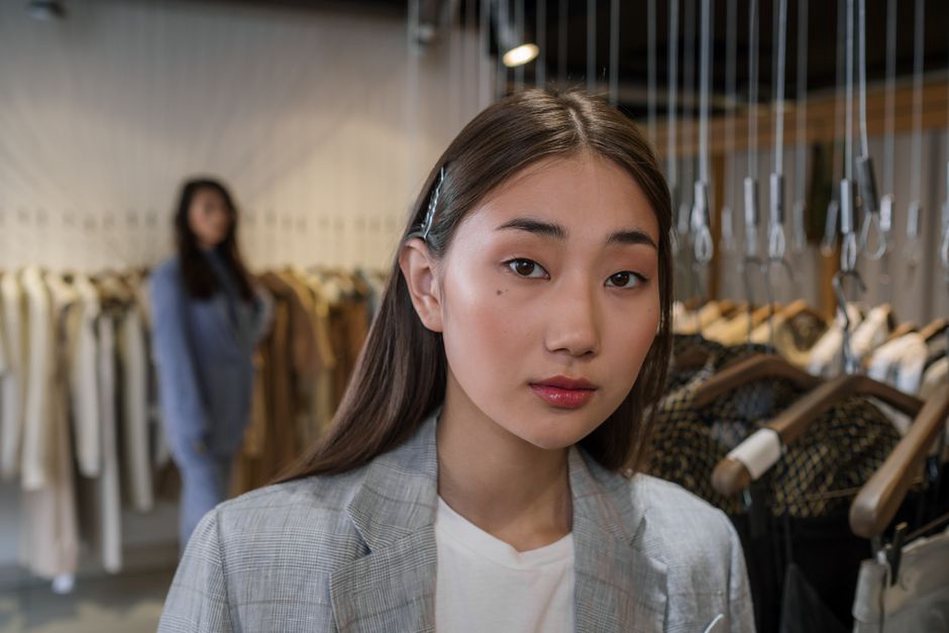
When incorporating a vintage piece, start with a neutral hairstyle—a sleek bun, a side part, or a simple half-up. Let the accessory be the sole focal point. If you have multiple vintage pieces, resist the urge to layer them; one carefully chosen item commands more attention than a jumble.
Practical Steps for the New Collector
Begin by focusing on a single category or era that genuinely draws you. Visit charity shops, antique fairs, and online marketplaces with a clear list of materials and measurements. Always ask for close-up photos of the back and any hallmarks. When a piece arrives, inspect it under good light and clean it only as described above. Keep a small notebook or digital note of where you acquired each piece and any known history—over time, that record becomes a personal archive.
One of my most treasured finds is a 1920s silver mesh bandeau that came with its original velvet box. The box was crushed, the bandeau tarnished, but after a gentle polish and a new lining for the box, it now sits on my dressing table. I wear it once a year, on a quiet birthday dinner, with a simple black dress. That ritual matters more than any display case.