
Feathered Hairpieces: Vintage Styles, Finding and Caring for Them
A single curved feather can alter the outline of a hat more than a row of jewels. Its tip shifts when the wearer turns; its edge catches the light without glittering. That play of shape and movement helps explain its place in vintage fashion, on elaborate Edwardian hats and on smaller ornaments worn for dancing. A feather could soften a severe brim, lend height to a short hairstyle or make a familiar outfit feel right for an evening out.
The appeal was in the silhouette
It is easy to picture feathered headwear as a mass of towering plumes, though the scale varied enormously. A feather might rise from a hat crown, sweep across a band or sit close to the head in a compact spray. Placement mattered as much as size: an upright plume drew the eye upwards, a low arrangement extended the line of a brim, and a cluster near the temple gave movement to short hair without hiding its shape.
Feathers offered milliners a line that seemed to extend beyond its mounting. A comb ends at its teeth and a bow at its loops, but the fine edge of a feather can appear almost weightless. It worked on conspicuous headwear and as a quiet accent. Workmanship made the difference: crowd feathers together against their natural curves and they look stiff; arrange them with care and they move as one.
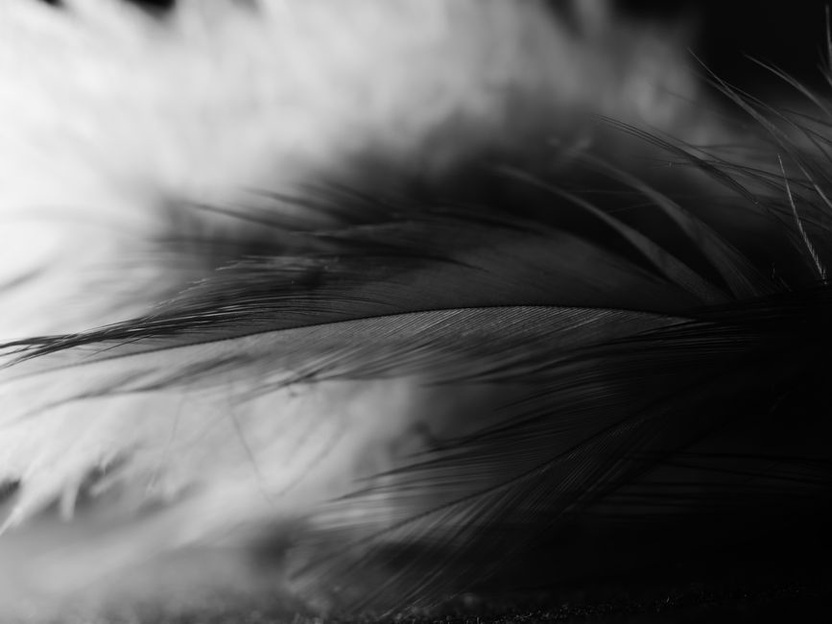
From millinery statement to dance-floor accent
The late Victorian and Edwardian taste for height
Late Victorian and Edwardian hats could be broad, tall and richly trimmed. Ostrich plumes were prized for their soft, flowing barbs; other feathers supplied sharper outlines or small points of contrast. An elaborate hat belonged to the whole ensemble, balancing the volume of a skirt, the cut of a coat and the hair arranged beneath it. Its feathers were often part of the hat itself, rather than a separate clip or comb. That distinction matters when examining a surviving piece.
There is a less romantic side to this history. Demand for ornamental feathers contributed to the destruction of wild birds and helped spur bird-protection campaigns in Britain and elsewhere. A beautifully worked plume may show a milliner’s skill while leaving difficult questions about where its feathers came from.
Shorter hair, different movement
In the 1920s, shorter hairstyles and close-fitting hats left different spaces for ornament. Feathers appeared on bandeaux and headbands, or as small accents at the side of the head. Their movement suited dancing, but the familiar image of every flapper in an enormous upright feather misses much of the picture. Photographs, surviving accessories and fashion illustrations also show restrained sprays and feather-trimmed cloches.
Styles shifted again. In the 1930s, an angled feather could bring drama to a tilted hat without overwhelming its neat outline. Wartime and post-war millinery often used compact trims to make an impression with limited material. By mid-century, feathered fascinators and small hats accompanied formal daywear and occasion dress. A feather fixed to a hat followed its structure; one mounted on a comb could be positioned in the hair.
What makes a feathered piece distinctive
Colour tells only part of the story. Natural feathers differ in length, curve, density and texture, and dyeing or shaping changes their appearance again. Ostrich feathers tend to make a soft, airy outline; a firmer quill introduces a crisp diagonal. Small curled or layered feathers can form a flower-like cluster, while a few long ones make a bold line without much bulk. Species can be difficult to identify by sight, especially when feathers have been cut, dyed or mixed.
Look at the mounting, too. Hat trim may be stitched into fabric or tucked beneath ribbon. A hair ornament might have a thread-covered wire foundation attached to a comb, pin or band. In a well-made piece, the foundation is discreet when worn, though close inspection can show how it holds together. Beads, veiling or fabric flowers sometimes sit alongside the feathers, their contrasting textures giving the arrangement depth.
Age can alter the silhouette. A plume that droops today may once have stood higher; faded dye can make a once-striking contrast look subdued. Advertisements and dated photographs show how a style was presented, but cannot establish the original shape or history of a particular ornament.
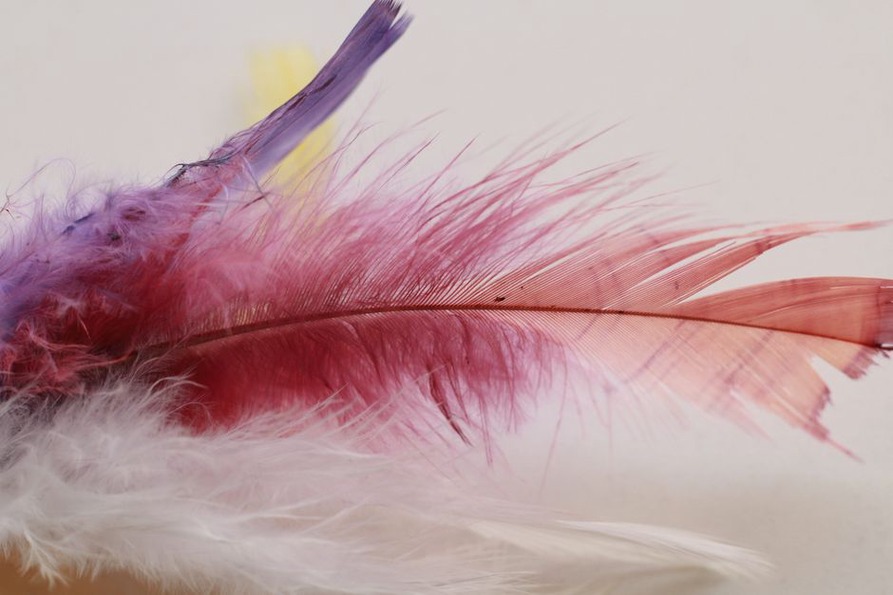
The questions behind a vintage find
Feathered ornaments are easy to misread. An old comb may have acquired new feathers, or an original hat trim may now sit on a modern clip. Either piece might still be lovely to wear, but its description should say what can actually be established. Labels, construction, materials and documented history offer clues. Colour and glamour alone cannot date it.
Before choosing a vintage piece, separate the practical questions from the ethical ones:
- Condition: Look for loose stems, detached stitching, crushed barbs, missing comb teeth and flaking decoration. Examine a fragile piece gently rather than shaking it to test the mounting.
- Wearability: Check whether the mounting sits securely and the feather stays out of your line of sight. A hat trim may be beautiful but uncomfortable as a standalone hairpiece.
- Provenance: Ask what is known about the feathers and any later repairs. If the species or date is uncertain, it should be described that way.
- Legal status: Some bird materials are protected or restricted in sale and movement. Age alone does not settle the question. If the species is unclear, check the applicable UK rules before acquiring or transporting the piece.
New feathered accessories call for scrutiny as well. Claims such as ‘reclaimed’, ‘naturally shed’ or ‘responsibly sourced’ need evidence if they matter to your choice. Fabric, ribbon and other non-feather trims can give a similarly light outline if you prefer to avoid animal-derived materials. An inherited ornament, an antique find and a newly made piece each have a different history; they need not be treated as the same purchase.
Why the look still works with modern clothes
Feathers bring movement to still fabrics. A narrow spray breaks up the solid colour of a plain wool coat; a small dark accent beside a sharply cut jacket echoes its lines while softening them. Against velvet or crepe in the evening, a pale feather gives contrast without the hard sparkle of rhinestones. None of these pairings needs a full period outfit.
Proportion helps the reference feel deliberate. A high plume dominates the headwear and needs space around it: a clear neckline and simple earrings leave its outline visible. A small feather close to the head has a quieter character, especially with a low bun or a plain band. Both spectacle and restraint have a place in vintage fashion, depending on the decade and occasion.
Context changes the impression, too. In Britain, a feathered fascinator may suggest formal daytime dress, while a slim side ornament feels more like eveningwear. An upright feather with a beaded dress can suggest a familiar 1920s costume. Wear the same feather with an unfussy contemporary dress and it becomes one historical detail, rather than a whole character.
Preserving the lightness
Feathers do not take kindly to crushing, damp or repeated handling. Store an ornament with its outline supported and its tips clear of the box lid. If it sits on a comb, pad the space around the feather instead of resting weight on it. Keep it out of strong light, which can fade dyed feathers, and away from moisture and pests that may damage the feathers or accompanying textiles.
Be cautious with cleaning. A very soft brush, moved in the direction of the feather’s growth, may lift dust; vigorous brushing can separate delicate barbs or disturb an old mounting. Do not spray perfume, hairspray or water onto a vintage piece. For a valuable or especially fragile ornament, a conservator experienced in costume or millinery can assess a repair more safely than a dab of glue.
Before wearing it out, try the comb or band at home. Turn your head gently, then check whether the feather brushes your collar or catches under a coat hood. A shift of just a few centimetres may keep the sweeping line intact while sparing its oldest edges from friction.