
Products Copy of 70s Maxi Dress 1: A Guide to Faithful Reproductions
The 1970s maxi dress—with its sweeping hem, soft gathers, and romantic prints—remains one of the most sought-after silhouettes for vintage enthusiasts. But finding an original in good condition is increasingly difficult, which is why well-made reproductions have become a staple for those who love the look without the fragility of a decades-old garment. The product known as “Copy of 70s Maxi Dress 1” represents a thoughtful approach to recreation: it honours the original proportions, fabric choices, and construction details that made the era’s dresses so distinctive. Understanding what makes a faithful copy can help you choose a piece that feels authentic and wears beautifully for years.
What Makes a Faithful Reproduction?
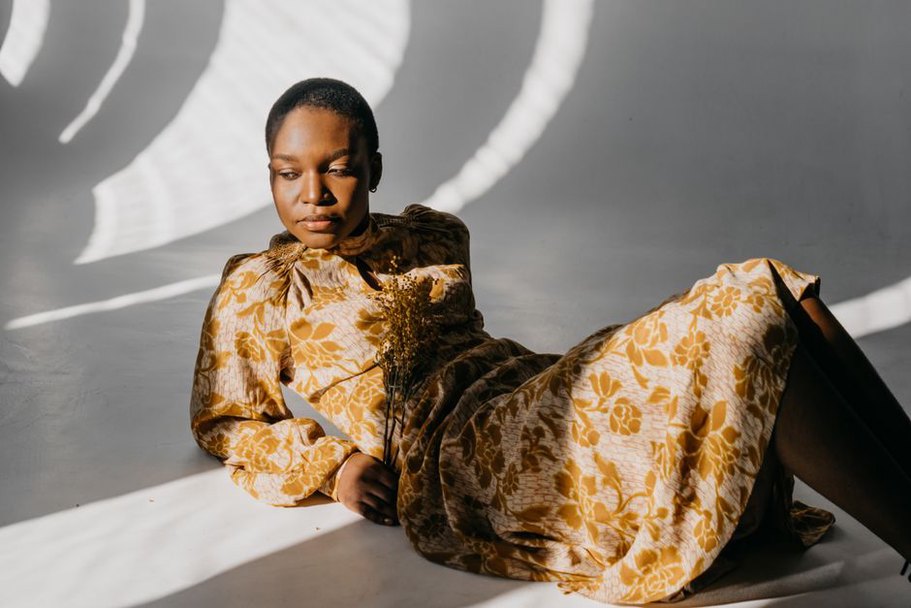
A true copy of a 1970s maxi dress goes beyond simply copying a print. The most important elements are the silhouette and the cut. The original 1970s maxi dress typically had a high waist (often empire line or natural waist), a full skirt that fell to the ankle, and sleeves that ranged from short puffed to long and gathered. The neckline was often a modest V-neck or a high Victorian collar. The “Copy of 70s Maxi Dress 1” replicates these proportions exactly, using a pattern that mirrors the original’s ease and drape. Look for dresses that use a woven fabric (cotton, lawn, or a cotton-polyester blend) with a soft hand, not a stiff modern polyester. The print should be a small-scale floral or geometric pattern that was popular in the decade—think Liberty-style florals, tiny paisleys, or subtle checks. Many reproductions use digital prints that are too sharp or too large; a faithful copy will have a print density that matches the original’s scale.
Another key detail is the construction. Original 1970s maxi dresses often had a full lining, French seams, or bias-bound edges. The “Copy of 70s Maxi Dress 1” uses these techniques where possible, ensuring that the inside of the dress is as beautiful as the outside. The zipper placement is also a clue: original dresses typically had a centre-back zipper with a hook-and-eye closure, not an invisible side zipper. If you are considering a reproduction, check the zipper type and the seam finishes. A well-made copy will also include a hanging loop at the neckline, a small detail that signals care.
Styling a 70s Maxi Dress with Vintage Hair Accessories
Pairing a 1970s maxi dress with the right hair accessory elevates the entire look. The era was known for long, flowing hair often adorned with a simple headband or a delicate hair comb. For a daytime outfit, consider a gold-toned bow barrette placed at the side of a half-up style. The warm metallic finish complements the soft floral prints of the dress. For evening, a tortoiseshell hair comb tucked into a low chignon echoes the natural materials that were popular in the 1970s. The key is to keep the accessory understated—the dress itself is the statement. If the dress has a high neckline, pull your hair back to show off the collar. If it has a low V-neck, a loose side braid with a small silk ribbon adds a touch of romanticism.
When choosing a hair accessory, think about the dress’s colour palette. A cream or ivory dress pairs well with pastel hair clips, while a deep burgundy or forest green dress calls for amber or jet black accessories. The “Copy of 70s Maxi Dress 1” often comes in a neutral background with muted florals, making it versatile. You can also add a velvet headband in a matching accent colour to tie the look together. The 1970s were not about fussy updos; they celebrated natural texture and movement. Let your hair fall in soft waves, and let the accessory be a gentle accent, not a focal point.
Caring for Your Reproduction Maxi Dress
Because faithful reproductions use similar fabrics to the originals, they require gentle care. Always check the label—many are 100% cotton or a cotton blend that may shrink. Wash the “Copy of 70s Maxi Dress 1” in cold water on a delicate cycle, and hang it to dry away from direct sunlight. Iron on a medium setting while the fabric is still slightly damp to avoid crushing the fibres. If the dress has a print, turn it inside out before washing to protect the colours. Avoid bleach or harsh detergents; a mild soap designed for delicates is best. Store the dress on a padded hanger to maintain its shape, and keep it in a breathable garment bag if you are not wearing it for a while. With proper care, a well-made reproduction can last for decades, just like the original.
Where to Look for Faithful Copies
Reproductions of 1970s maxi dresses are produced by a handful of specialised brands and independent makers. The “Copy of 70s Maxi Dress 1” is one such product, but you can find similar pieces from small Etsy sellers, vintage-inspired clothing lines, and even some mainstream retailers that have revived the silhouette. Key indicators of quality include:
- Fabric composition: Look for cotton, rayon, or a blend that mimics the drape of the originals. Avoid stiff polyester that feels plasticky.
- Print registration: On a faithful copy, the print should align at the seams, especially at the side seams and centre front. Misaligned prints are a sign of cheap production.
- Seam allowance: Inside the dress, the seams should be finished with a serger or French seams. Raw edges that fray easily are a red flag.
- Length: An authentic 1970s maxi dress hits just above the ankle. Many reproductions are cut too short or too long; check the length measurement carefully.
- Buttons and zippers: Original dresses used plastic or metal buttons that match the dress colour. Zippers should be metal, not plastic, and should sit flat without puckering the fabric.
If you are buying online, ask the seller for detailed photos of the inside construction and a measurement guide. Read reviews from other customers who have purchased the same style. A good reproduction will have consistent sizing and a cut that flatters many body types.
Pairing with Other Vintage Pieces
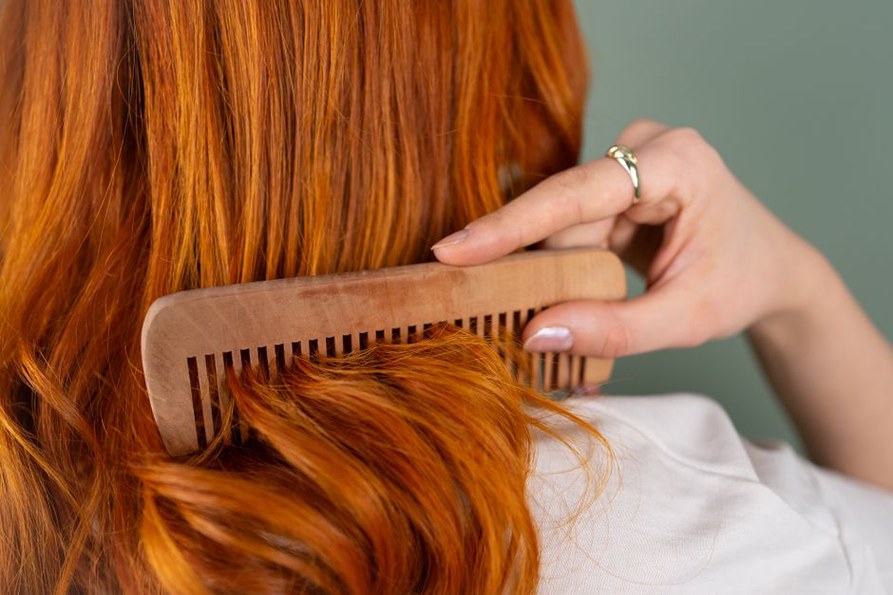
The 1970s maxi dress is a versatile foundation. You can layer it with a cropped cardigan or a denim jacket for a transitional look. Footwear choices range from flat leather sandals to platform wedges. For a more formal occasion, add a wide-brimmed hat and a pair of vintage hoop earrings. The hair accessory you choose should echo the era’s laid-back elegance. A tortoiseshell hair claw or a simple velvet scrunchie can be just as effective as a decorative comb. The “Copy of 70s Maxi Dress 1” works particularly well with a Bertha hair comb in one of its three iconic colourways—the amber or black versions harmonise with the dress’s earthy tones. The comb can be worn at the back of a low bun or at the side of a half-up style, adding a subtle vintage touch that doesn’t compete with the dress.
Remember that the 1970s aesthetic was about freedom and individuality. Do not be afraid to break the rules—mix a floral maxi dress with a striped hairband, or add a modern belt to cinch the waist. The goal is to create a look that feels authentically vintage yet personal.
A Final Word on Authenticity
When you buy a faithful reproduction like the “Copy of 70s Maxi Dress 1,” you are investing in a piece that respects the original design while offering the durability of new materials. The best reproductions are the ones that you can wear without worrying about tearing a fragile seam or fading a 50-year-old print. They allow you to step into the 1970s with confidence, knowing that every detail—from the gathering at the waist to the length of the sleeves—has been carefully considered. Next time you slip on your maxi dress, take a moment to appreciate the craftsmanship that went into recreating a beloved silhouette. Then choose a hair accessory that speaks to you, and wear it with the same joy that women did in 1975.