
The Bertha Hair Comb: Three Iconic Colourways Explained
If you collect British vintage hair accessories, you’ve probably heard of the Bertha. It’s not a brand or a single designer, but a distinct silhouette of hair comb that emerged in the 1920s and stayed in production through the 1950s. The Bertha comb has a wide, gently curved top edge, often set with a row of decorative elements, and long, sturdy teeth that anchor it firmly in even the finest hair. What makes the Bertha truly collectible today is the palette of three signature colourways that defined its golden era. Understanding these colours — their origins, materials, and how they wear — is essential for anyone building a thoughtful vintage hair accessory wardrobe.
What Exactly Is a Bertha Hair Comb?
The Bertha comb takes its name from the wide, square-necked lace collar popular in the late Victorian and Edwardian periods. Just as that collar framed the face with soft elegance, the Bertha hair comb frames the crown or the back of the head. Typically measuring between four and six inches across, it was designed to be worn centred at the nape of the neck or tilted to one side for a more playful look. The comb’s body was most often made from celluloid, casein, or early thermoplastics — materials that could be moulded, carved, and tinted in ways that natural tortoiseshell or horn could not. By the 1930s, British manufacturers like Halcyon and A. W. Faber had perfected the Bertha shape, and it became a staple in department stores from London to Manchester.
What set the Bertha apart was its colour range. While many combs of the era offered only dark brown or black, the Bertha was produced in three distinct colour families that have become the holy grail for today’s vintage hunters.
The Three Iconic Bertha Colourways
1. Tortoiseshell Amber
This is the most recognised Bertha colour: a warm, translucent amber with darker brown mottling that mimics genuine tortoiseshell. The effect was achieved by layering two or more shades of celluloid and then pressing them under heat to create a marbled swirl. No two combs are exactly alike. The amber base catches light beautifully, making it ideal for brunettes and redheads. When you hold a genuine Tortoiseshell Amber Bertha up to the sun, you should see tiny air bubbles and subtle colour shifts — signs of an honest, period-appropriate material. This colour was especially popular in the 1920s and 1930s, when flapper bobs demanded decorative combs that could be slipped in at an angle.
2. Jet Black
Far from a simple solid, the Jet Black Bertha was often given a subtle high-gloss finish that reflected light like polished obsidian. Some examples feature a faint ribbed texture along the top edge, while others remain completely smooth. Black Berthas were the most formal of the trio, frequently worn with evening gowns and cocktail dresses. They pair beautifully with silver or platinum hair, and also create a striking contrast against blonde or light brown hair. Because black was the easiest colour to produce consistently, Jet Black Berthas are the most common on the second-hand market today — but condition is everything. Look for combs without cracks near the teeth and with the original gloss still intact.
3. Pearl White
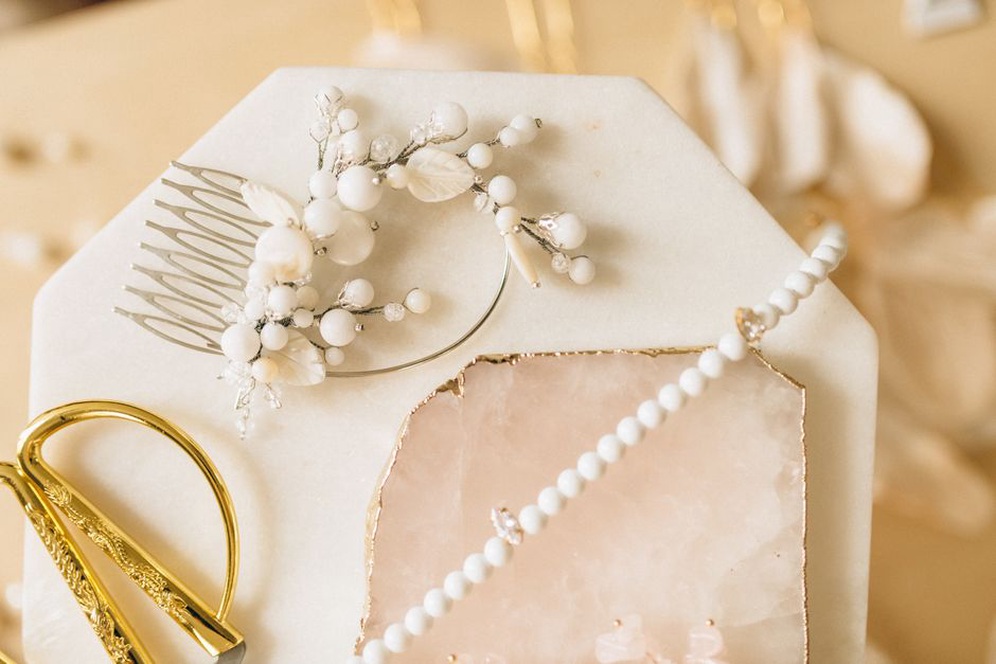
The rarest of the three, Pearl White Berthas have an opalescent, milky appearance with a faint iridescent sheen. They were often dusted with a subtle gold or silver metallic powder during manufacturing, giving them a delicate shimmer. This colour was a favourite for bridal wear and summer garden parties. Pearl White celluloid is notoriously fragile; it yellows with age and can become brittle if exposed to sunlight or heat. A well-preserved example in its original ivory tone is a true collector’s prize. When styling, treat a Pearl White Bertha with extra care — it is best reserved for special occasions and stored away from direct light.
Materials and Craftsmanship Behind the Colours
The Bertha comb’s colour was not merely a surface dye. The colourants were mixed into the raw celluloid or casein before the comb was stamped or moulded. This meant the colour ran all the way through the material, so scratches and wear did not reveal a different core. The three colourways each required different formulations. Tortoiseshell Amber needed two separate batches of celluloid — one amber, one dark brown — that were partially blended during the pressing. Jet Black required carbon black pigments that could sometimes leave a slightly rough surface if not polished correctly. Pearl White used titanium dioxide and mica flakes, which gave the comb its glow but also made it more prone to chipping.
British manufacturers took pride in their colour consistency. In the 1930s, the British Celluloid Company in Coventry produced colour swatches that were sent to retailers, ensuring that a customer in Edinburgh could buy a Jet Black Bertha that matched one sold in Bournemouth. This standardisation is part of what makes the three Bertha colours so recognisable today.
How to Wear Bertha Colours in a Modern Wardrobe
Integrating a vintage Bertha comb into contemporary outfits is one of the most rewarding aspects of collecting these pieces. The key is to treat the colour as an accessory accent, not a costume relic. A Tortoiseshell Amber Bertha works wonderfully with autumn tones: rust, mustard, olive green, and chocolate brown. Slide it into a low chignon or a half-up twist for a look that nods to the 1940s without feeling theatrical. Jet Black Berthas are surprisingly versatile — they complement monochrome outfits, crisp white shirts, and even modern athleisure if worn with a sleek ponytail. Pearl White Berthas, being more delicate, are best saved for events where they can be the star: a summer wedding, a garden party, or a daytime museum visit.
If you are new to wearing hair combs, start with the Tortoiseshell Amber. Its warmth flatters most skin tones, and the marbled pattern hides small hairspray residue better than the solid colours. For a step-by-step guide on which accessories hold up in warmer weather, our article on Vintage Hair Accessories in Summer: What Works and What Wilts offers practical advice on avoiding heat damage to celluloid pieces.
Care and Conservation: Caring for Your Bertha
Because Bertha combs are made from early plastics, they require specific care. Never soak them in water — the moisture can cause the material to bloat or warp. Instead, gently wipe them with a soft, dry cloth after each wear. Store them flat in a padded box, separated by acid-free tissue paper, especially if you own multiple colours. The Jet Black and Tortoiseshell Amber are more stable, but the Pearl White should never be placed near a radiator or in direct sunlight. If you notice a white bloom or haze developing on the surface, it may be a sign of “celluloid sickness” — a chemical breakdown that is irreversible. In that case, isolate the comb from your other pieces immediately.
For those building a personal archive of vintage hair accessories, the three Bertha colours offer a perfect starting point. Each colour tells a different story of British manufacturing, social habits, and aesthetic preferences. Our guide on Collections Maison Archives x Vintage: Curating a Personal Archive of Hair Accessories walks you through documenting provenance and condition — essential skills for any serious collector.
Where to Find Authentic Bertha Combs Today
Authentic Bertha combs surface at car boot sales, antique fairs, and online marketplaces. Look for the telltale signs: a smooth, continuous curve on the top edge, teeth that are evenly spaced and slightly tapered, and a weight that feels substantial but not heavy. The colour should be uniform across the comb, with no painted-on finish. A genuine Tortoiseshell Amber Bertha will have subtle swirls that follow the shape of the comb, not random blobs. Jet Black should be glossy, not matte, unless it has been worn down. Pearl White should have a slight translucency when held to light — if it looks opaque white like modern plastic, it is likely a reproduction.
Prices vary widely. A common Jet Black Bertha in good condition might sell for £15–£30, while a pristine Pearl White example can fetch £80–£120. Tortoiseshell Amber falls in between, depending on the intensity of the marbling. Always ask the seller for a photo of the back of the comb — the teeth are the first to break, and a missing tooth significantly reduces both value and usability.
A Final Practical Note on Colour Matching
When you finally acquire your first Bertha, resist the urge to dye your hair to match. The whole charm of these colours is their ability to complement rather than blend. A Tortoiseshell Amber Bertha worn by someone with ash-blonde hair creates a warm focal point. A Jet Black Bertha against salt-and-pepper grey is quietly dramatic. Pearl White works beautifully with any shade that has cool undertones. The comb is the accessory, not the camouflage. Let the colour speak for itself — it has been waiting decades to do so.