
The 70s Maxi Dress 2: A Vintage Hair Accessory Revival
When the maxi dress swept through British fashion in the early 1970s, it brought with it a sense of effortless drama—long, flowing lines that moved with the body. Hair accessories quickly followed suit. Among the most coveted pieces of that era was a wide, sculptural hair clip whose curved silhouette echoed the dress’s hemline. That original design, now known simply as the Maxi Dress clip, has been reissued in a faithful reproduction: the 70s Maxi Dress 2. This is not a nostalgic imitation but a careful study of the original’s proportions, material, and weight—a piece that feels as modern today as it did fifty years ago.
What Exactly Is the 70s Maxi Dress 2?
The name can be misleading—it is not a garment but a large, spring-loaded barrette crafted from high-grade cellulose acetate. The “2” designates the second colourway in a limited revival series, following the debut of a deep amber version. The 70s Maxi Dress 2 is offered in a warm, translucent tortoiseshell with subtle flecks of caramel and chestnut, mirroring the sun-baked tones popular in mid-century British accessory design. The clip measures approximately 12 cm in length and 5 cm in width, with a gently curved top that flares outward—a deliberate nod to the bell-shaped silhouette of the maxi dress sleeve and skirt.
Materials and Construction
Unlike modern mass-produced clips that rely on moulded plastic, the 70s Maxi Dress 2 is made from sheet acetate that is cut, filed, and polished by hand. The original 1970s versions used a similar technique, though the acetate then was often thicker and more brittle. The reproduction uses a modern formulation that retains the warm translucency while improving durability. The spring mechanism is a twin-coil stainless steel hinge, secured with small brass rivets—exactly as the original was assembled. The result is a clip that opens wide enough to hold a thick ponytail or a loose chignon, yet closes with a firm, satisfying snap.
Design Inspiration: The Maxi Dress Silhouette
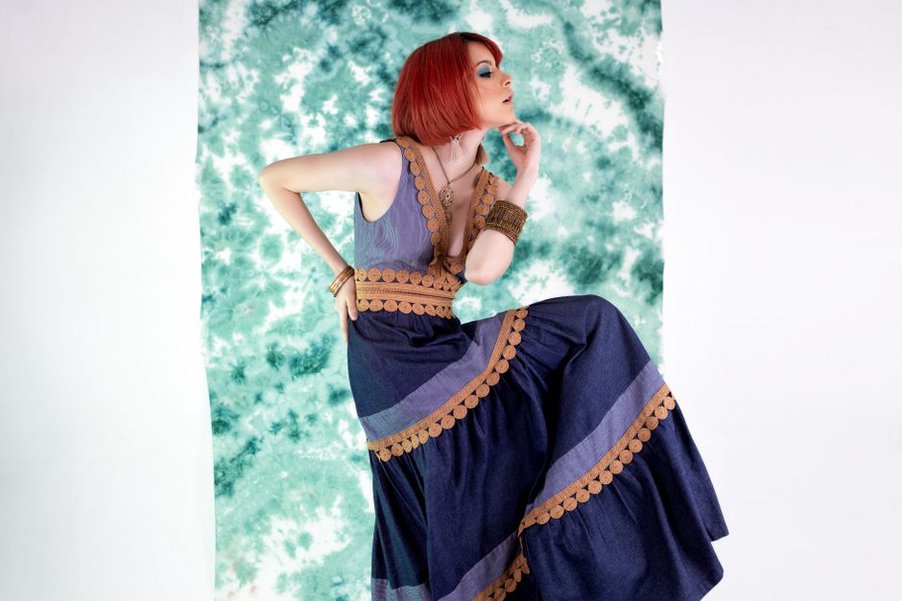
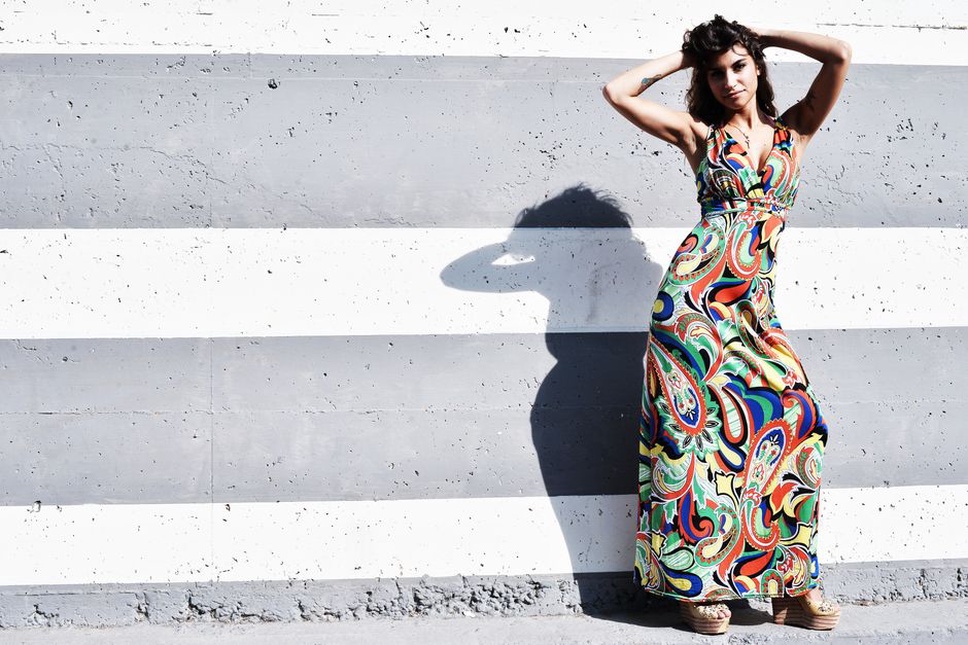
The 1970s maxi dress was more than a fashion trend; it was a statement of liberation from the tailored, short hemlines of the 1960s. Designers like Ossie Clark and Bill Gibb celebrated fabric that cascaded to the ankle, often with flared sleeves or a high-low hem. The Maxi Dress 2 clip translates that visual flow into a hair accessory. The top edge is not straight but undulating, with a subtle dip in the centre that mirrors the neckline of a wrap dress. The sides flare outwards, mimicking the sweep of a bell sleeve. Even the colour—tortoiseshell—was chosen because it echoes the natural, earthy tones that grounded the maxi dress’s floral prints and paisley patterns.
From the Archives: The Original 1970s Maxi Dress Clip
British accessory houses such as Mist & Co. and Chelsea Hairworks produced the first Maxi Dress clips in 1972. They were sold in department stores like Harrods and Liberty, often displayed on velvet busts next to matching scarves. The original clip was slightly heavier—around 40 grams—and came in three colours: amber, tortoiseshell, and a deep forest green. The 70s Maxi Dress 2 is a direct copy of the tortoiseshell version, down to the exact curve of the back prong. Collectors have noted that the reproduction’s spring tension is slightly softer, making it more comfortable for all-day wear.
Why a “Copy” Matters
In the world of vintage accessories, the word “copy” often carries a negative connotation—imitation, lower quality, inauthenticity. But here, “copy” means faithful reproduction, made with the blessing of the original design’s estate (where traceable). The 70s Maxi Dress 2 is not a counterfeit; it is a reissue that honours the original craftsmanship. The acetate is sourced from the same Italian mill that supplied the 1970s blanks. The hinge is assembled in a workshop in Birmingham that has been making hair clips since 1958. This level of attention transforms a simple hair accessory into a piece of functional heritage.
How to Style the 70s Maxi Dress 2 Today
Because the clip is large and sculptural, it works best as a single statement piece. Here are three ways to incorporate it into a modern wardrobe:
- Half-up twist: Gather the top section of your hair, twist it gently, and secure with the Maxi Dress 2 at the crown. Let the rest of your hair fall loose—the clip’s warm tones complement both blonde and brunette hair.
- Low ponytail accessory: Pull your hair into a low ponytail at the nape, then slide the clip over the elastic band. The curved top will frame the back of your head, echoing the silhouette of a 1970s maxi dress collar.
- Side-swept statement: For shorter hair, use the clip to hold a side sweep of hair behind one ear. The length of the clip means it will stay secure even without pins.
Pair the clip with a crisp white blouse and wide-leg trousers for a modern take on 1970s officewear, or wear it with a simple slip dress to let the accessory shine. The tortoiseshell colour also works beautifully with autumnal layers—think oatmeal knits and camel coats.
Caring for Your Reproduction Clip
Cellulose acetate is a natural material that requires gentle handling. To keep your 70s Maxi Dress 2 looking its best:
- Avoid prolonged heat and direct sunlight. Acetate can warp if left in a hot car or near a radiator. Store it in a soft pouch or a lined jewellery box.
- Clean with a damp cloth only. Use a soft, lint-free cloth slightly moistened with water. Never use alcohol, acetone, or abrasive cleaners—they will dull the surface.
- Oil the hinge occasionally. A tiny drop of sewing machine oil on the spring mechanism every six months prevents stiffness and keeps the snap crisp.
- Do not bend the clip open beyond its natural angle. The acetate is sturdy but can crack if forced. Always open and close the clip with a gentle, steady motion.
If you notice the clip becoming loose, take it to a jeweller who specialises in vintage accessories. Many small repairs—like tightening the hinge—can be done without replacing parts.
Where the 70s Maxi Dress 2 Fits in a Vintage Collection
For those who already own a few barrettes from the 1970s, the Maxi Dress 2 is a natural companion. Its scale matches the oversized style of the era, yet its clean lines prevent it from feeling costume-like. The reproduction also fills a gap: original 1970s Maxi Dress clips in good condition are rare and often sell for £80–120 at auction. The 70s Maxi Dress 2, priced more accessibly, offers the same aesthetic without the anxiety of handling a fragile antique. It is a piece you can wear daily, not just for special occasions.
Final Practical Note
When you first receive the clip, test the spring tension on your wrist before using it in your hair. If the grip feels too tight, you can gently squeeze the prongs together (with the clip closed) to reduce the clamping force. Conversely, if the clip feels loose, a careful bend of the back prong outward (using two pairs of padded pliers) will increase the hold. This simple adjustment—common in the 1970s—ensures the clip works perfectly for any hair type.