
How to Store Vintage Hair Accessories Safely
A vintage celluloid comb left in a warm loft can warp, crack or develop a sharp camphor-like smell. A silk bow stored beneath a heavy box may keep a crease for good. Long-term care starts by reducing the quiet pressures that cause damage: heat, light, weight, moisture and materials that transfer colour or chemicals.
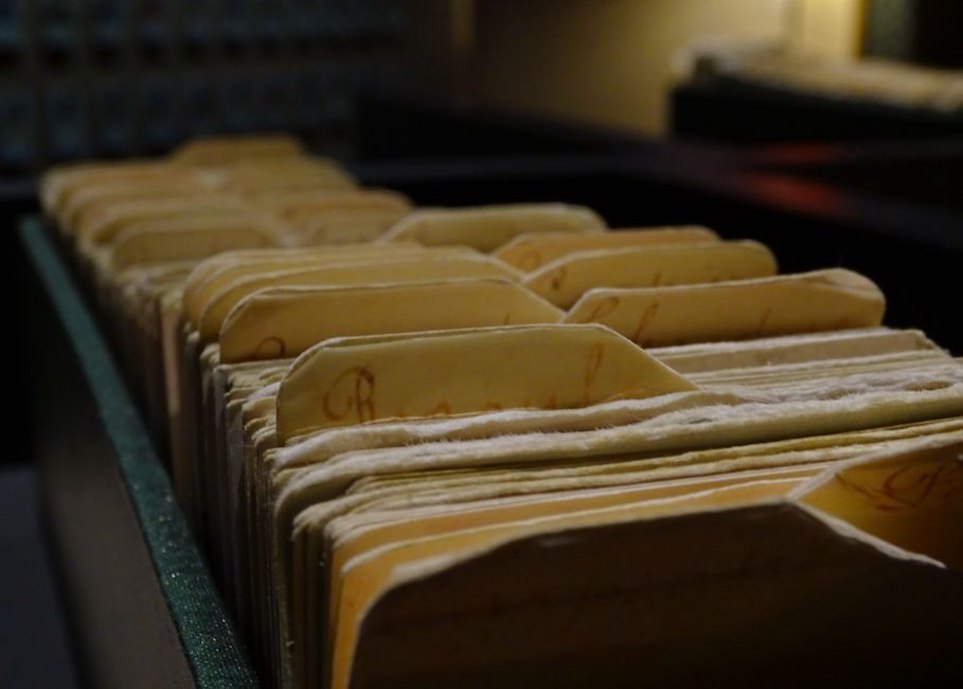
Before putting anything away, make a note of what you have and its current condition. A card or digital record can include the approximate date, materials, measurements, maker’s marks, purchase details and existing faults, such as a missing rhinestone, loose teeth or tarnish. Photograph the front, back, fastening and any labels. These records are useful for insurance and make gradual changes easier to spot when an accessory is only worn occasionally.
Build a stable storage environment
A cool, dry, dark cupboard inside the home is usually safer than an attic, garage, shed or cellar. Those spaces often experience marked changes in temperature and humidity, which can encourage corrosion, mould, adhesive failure and distortion in plastics. Keep accessories away from radiators, exterior walls, sunny windows and plumbing.
Steadiness matters more than achieving a perfect temperature or humidity reading. If a room feels damp, smells musty or shows condensation, it is not suitable for delicate textiles, leather-covered bands or glued ornaments. Equally, do not place accessories beside a heat source in an attempt to keep them dry. A breathable enclosed box in a stable room is a safer option.
Choose archival materials where they make a difference
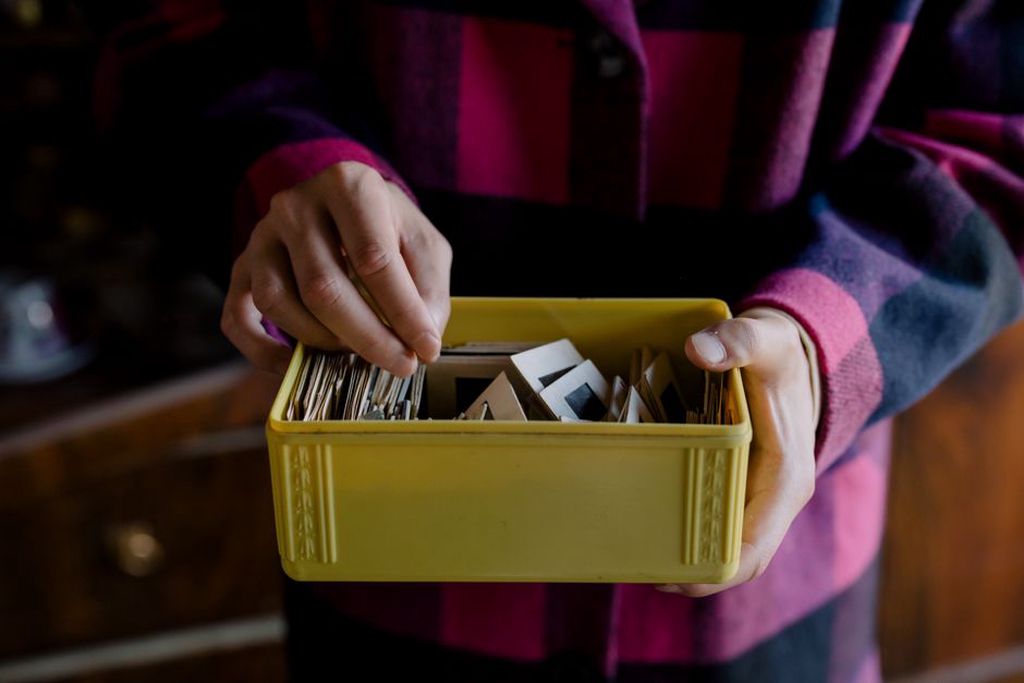
Use clean, acid-free tissue paper to separate pieces and give fragile items light support. Unbuffered acid-free tissue is a sensible all-purpose choice for boxes containing mixed materials, including metal, textiles and unidentified plastics. Acid-free card boxes, polypropylene containers and inert polyester sleeves are also suitable. Avoid sealing objects in ordinary PVC plastic bags: plasticisers and limited airflow may lead to staining, stickiness or trapped moisture.
Wooden drawers, cardboard gift boxes and old jewellery cases may be appealing, but their acids, finishes, foam and adhesives can affect sensitive materials over time. If you use them for display or convenience, line the interior with an archival barrier and keep each accessory separately wrapped or housed.
Sort by material and construction, not just by outfit
A box of similar-looking clips may include brass, steel, silver-tone plating, cellulose acetate, Lucite, early synthetic plastics, silk and rayon. They do not age in the same way. Separating pieces stops a rusty spring, shedding glitter or unstable plastic from damaging its neighbours.
| Material or construction | Storage approach | What to avoid |
|---|---|---|
| Silk, velvet and ribbon bows | Lay flat in tissue-lined boxes, with folds softly supported by tissue | Rubber bands, tight folding, direct light and heavy stacking |
| Metal slides and rhinestone clips | Wrap individually or place in separate compartments; store dry | Contact with damp textiles, perfume residue and abrasive jewellery |
| Combs in acetate, Bakelite or unknown early plastic | Store singly in ventilated boxes, supported along their length | Heat, airtight packing, pressure on teeth and solvent-based cleaning |
| Leather or fabric-covered headbands | Support the curve with rolled acid-free tissue | Hanging by elastic, crushing or storing in very dry heat |
| Feather or floral ornaments | Use a roomy lidded box with a tissue nest | Compression, loose storage with sharp pins, moth-prone areas |
Accessories made from unidentified plastic need particular care. Celluloid is historically important, but it is unstable and flammable, and may deteriorate faster in confined conditions. If an item smells strongly of camphor or vinegar, becomes tacky, develops white bloom, cracks or changes colour unexpectedly, separate it from the rest of the collection in a ventilated container and seek advice from a qualified conservator. Do not polish, heat or repair it at home.
Support the shape of each piece
Good storage prevents strain; it does more than keep dust away. For a bow, gently fill the loops with loosely crumpled tissue so they hold their shape without being stretched. A curved headband benefits from a roll of tissue beneath its arch. Long combs need a flat base and padding around the teeth, as one bent tooth can put stress across the entire comb.
Store barrettes and clips closed only when the mechanism naturally rests that way. Do not force an old clasp shut or add tension to a spring mechanism with elastic bands or ties. Wrap delicate stones, enamel and painted surfaces so they cannot rub against neighbouring metalwork. The construction details discussed in The P321 Bettie Lurex Triangle Clip: A Collector's Guide are a useful reminder that a decorative surface and its fastening may need different forms of protection.
Keep pins separate and identifiable
Hatpins, hairpins and detachable brooch-style fittings can puncture fabric, scratch plastics and disappear into box linings. Place each one in a small inert sleeve, a labelled compartment or a padded pin roll. If an ornament has a detachable pin, store it beside rather than through the accessory, unless the original construction requires otherwise. Tissue tags tied loosely around a compartment are preferable to adhesive labels fixed directly to an object.
Clean lightly before storage, never aggressively
Remove loose dust with a soft, clean brush kept solely for collection care. A dry microfibre cloth may be enough for sound metal parts, but avoid rubbing plated surfaces or glued rhinestones. Household polish, wet wipes, hairspray remover, perfume, nail varnish remover and ultrasonic cleaners all carry risks. A polish may strip plating, while a solvent can dissolve lacquer, soften old plastic or loosen the adhesive holding stones in place.
Textile pieces must be completely dry before they are boxed. If a ribbon has been worn in damp weather, let it air-dry away from direct heat and sunlight before returning it to storage. Persistent marks, insect damage, powdering surfaces or lifting decoration call for a textile or objects conservator, rather than a home treatment.
Inspect without over-handling
For a home collection, checks twice a year are generally enough. Open boxes in a clean, dry area and look for tarnish, insect frass, mould, fading, new odours, sticky plastics and failing glue. Handle items with clean, dry hands, supporting the strongest part of the structure rather than lifting a clip by a flower, bead cluster or ribbon loop.
Keep a short maintenance record with the inventory: when it was checked, what you noticed and any action taken. It helps distinguish established patina from active deterioration and avoids repeated, unnecessary cleaning. If you suspect moth activity around wool, feathers or felt, isolate the affected items and clean the storage area. Do not spray insecticide directly onto accessories.
For pieces you wear, set aside a separate return tray rather than placing them straight back in the archival box after an evening out. Once an item is dry and free of visible product residue, return it to its labelled compartment. A small sketch inside the box lid showing where a curved headband, comb or bow belongs can make repacking easier and prevent a fragile ornament being crushed at the last moment.