
1960s Mod Hair Accessories: Clips, Headbands, Ribbons and Combs
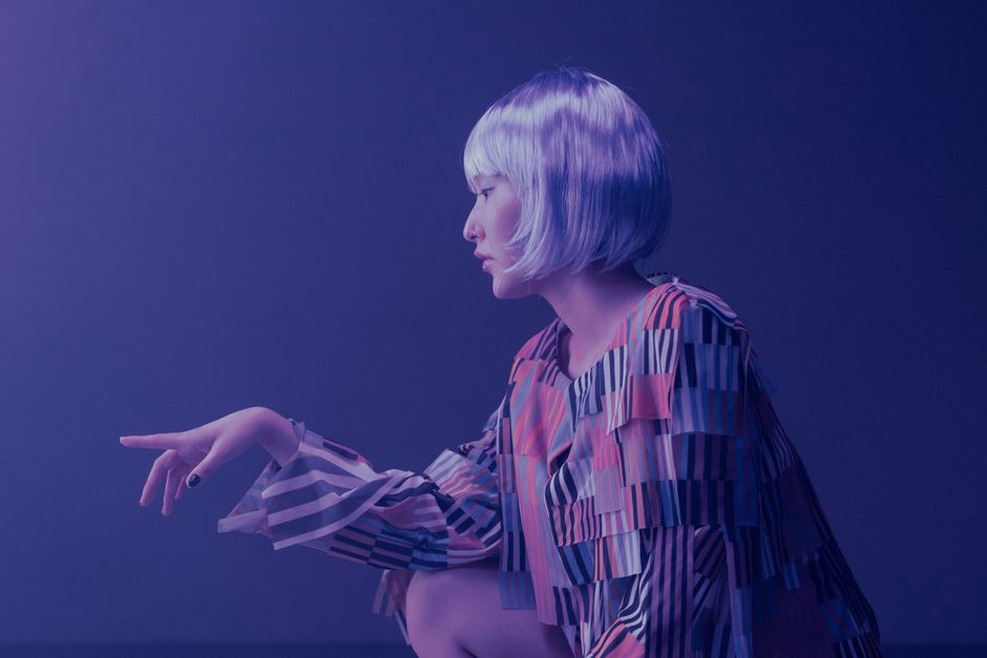
A sharply cut bob might be held in place by two lacquered plastic slides, positioned symmetrically above the temples. That small graphic gesture suited the Mod preference for clean lines, bold colour and a deliberately youthful silhouette. In 1960s Mod dress, hair accessories were rarely meant to vanish into the hairstyle: they echoed the geometric prints, patent shoes and bright tights that made the look so recognisable.
Why accessories mattered to the Mod silhouette
Mod style emerged in late-1950s and early-1960s Britain among young people drawn to modern design, jazz and soul, Italian tailoring, scooters and a streamlined approach to dress. By the middle of the decade, women’s Mod wardrobes included shift dresses, miniskirts, opaque tights, flat shoes and crisp colour blocking. Hair belonged to the same visual logic.
Rather than the elaborate curls and ornamental arrangements associated with earlier post-war styles, Mod hair often relied on a precise outline: a chin-length bob, side-swept fringe, smooth ponytail or compact bouffant. Accessories helped maintain that shape while adding emphasis. A narrow band made a bouffant feel tidier and more graphic; matching clips framed a fringe; a broad ribbon introduced a deliberate band of colour above a simple dress.
The strongest combinations depended on proportion. A small accessory can look striking against a sharply cut shape, while a large bow or wide headband needs a relatively uncluttered hairstyle. This was a fashion language built on contrast, not indiscriminate decoration.
The key Mod hair accessories
Plastic slides, barrettes and snap clips
Plastic suited the period’s enthusiasm for modern materials. Moulded acrylic, Lucite-like clear plastics and brightly coloured synthetic pieces appeared in shades that worked neatly with vinyl raincoats, PVC boots and colour-block dresses. Simple rectangular barrettes, oval clips and slim slides were practical for holding back a fringe or securing one side of a bob.
For a Mod-inspired arrangement, try two identical clips placed with balance rather than scattering unrelated pieces through the hair. White, black, red, cobalt, orange and lemon yellow can feel period-aware, especially when the colour is repeated in one small part of the outfit. Transparent clips offer a quieter version of the same effect.
Inspect original clips carefully before wearing them. Old metal springs may have lost tension or developed corrosion, and brittle plastic can crack around a hinge. Do not force a resistant clasp. A modern lined snap clip beneath a fragile vintage ornament can provide support without putting strain on the original mechanism.
Headbands: narrow, broad and boldly patterned
Headbands were remarkably adaptable in 1960s fashion. A slim plastic band could sit close to the hairline and draw attention to a short fringe or smooth crown. Wider fabric-covered bands suited fuller styles, including the rounded volume seen in the decade’s salon styling and on its best-known models. They appeared plain, striped, gingham, checked or printed with abstract motifs.
A headband was more than a practical device. Its unbroken arc reinforced the Mod interest in strong shapes. Black and white felt especially modern alongside monochrome checks or optical patterns, while a yellow or orange band could give a plain navy shift dress a distinctly period-flavoured note.
A braided fabric version is less Space Age in mood, though it works well with the softer, casual side of mid-1960s dressing. The history and styling notes in The Store P385 Gingham Braided Headband: Vintage Style, History, and Care are useful for understanding how a checked band changes the character of an outfit.
Scarves, ribbons and tied bows
Silk, rayon and synthetic scarves offered an affordable way to introduce print into a Mod outfit. Fold one into a narrow strip and tie it at the nape, wrap it around a ponytail, or wear it as a soft headband with the knot hidden underneath. A neat ribbon bow at the crown or ponytail base brought a youthful, doll-like note found in the decade’s ready-to-wear styling.
Scale matters here. A small grosgrain bow looks sharper than an oversized, frothy version beside a geometric minidress. Choose a bow with firm edges and a simple centred knot for a cleaner 1960s line. Polka dots, narrow stripes and checks are generally easier to wear than an ornate floral print.
Combs and decorative hairpins
Combs were useful for anchoring half-up styles and supporting smooth crown volume. In Mod settings, they were usually plainer than the jewelled, filigree or naturalistic combs associated with earlier decades. Plastic combs in tortoiseshell-effect, black, white or translucent finishes are plausible choices, along with restrained metal hairpins carrying a small geometric detail.
A comb need not disappear into the hair. When its decorative spine shows above the hairstyle, it becomes part of the outfit’s graphic composition. Place it horizontally at the back of a half-up style, or slightly off-centre to secure a controlled side sweep.
Materials and what they reveal
An accessory’s materials can suggest both its date and the mood it was intended to convey. Mod fashion welcomed man-made surfaces because they looked smooth, new and easy to colour. Still, every plastic clip is not automatically a 1960s piece: later accessories often revisit the period’s shapes. Construction matters as much as appearance when dating an item.
| Material | Typical Mod effect | What to inspect on vintage pieces |
|---|---|---|
| Moulded plastic or acrylic | Bright, graphic and playful | Cracks at hinges, clouding, warping and discoloured glue |
| Fabric-covered metal or plastic | Softens a structured hairstyle; useful for checks and bold print | Fraying, stains, stretched fabric and loose covering |
| Grosgrain ribbon | Crisp bows and neat ponytail details | Faded folds, water marks and weakened fibres |
| Metal with enamel or rhinestones | A more polished evening Mod effect than everyday street style | Missing stones, worn plating, bent prongs and rusted springs |
| Faux tortoiseshell plastic | Understated contrast with black, cream and camel | Distinguish from older natural tortoiseshell; avoid casual assumptions |
Natural tortoiseshell was still present in older accessories circulating during the 1960s, but a tortoiseshell pattern alone does not prove the material. If an item is uncertain, describe it as “tortoiseshell-effect” rather than making an unsupported claim. For collecting, choose legally and ethically appropriate materials, keep any provenance supplied by a seller, and do not regard an unmarked comb as authenticated simply because it appears old.
Accessories alongside the era’s major hairstyles
The geometric bob and fringe
The Vidal Sassoon-influenced geometric cut became one of the decade’s defining looks. Its impact came from the cut and finish, so accessories work best when small and controlled: a narrow band, two matching side clips, or a single barrette behind one ear. Large flowers and heavily embellished pieces can compete with the shape rather than support it.
The ponytail
A high or mid-height ponytail provides a natural setting for a ribbon, scarf or compact bow. Secure the hair first with a discreet elastic, then tie the ribbon over it instead of asking the ribbon to take the full tension. The result is neat, intentional and kinder to delicate vintage fabric.
Rounded volume and half-up hair
For a fuller crown, place a slim band just behind the hairline to create a clean boundary between fringe and volume. A comb or barrette at the back can hold the upper section in place. The accessory should follow the curve of the style rather than flatten it; a rigid band that pinches or sits too far back can disrupt the silhouette.

Building a modern Mod-inspired look without costume effect
One decisive accessory is usually enough. Pair a white plastic barrette with a black polo neck and tailored trousers, or wear a checked headband with a plain shift-style dress and opaque tights. The point is not to reproduce every detail of a 1966 photograph, but to let one clear reference sit naturally within contemporary clothes.
Colour often makes the strongest connection. A red clip against a navy knit, a black band with a white collared shirt, or an orange ribbon with a cream coat carries the compact contrast of Mod dressing without requiring period garments. If your outfit already has a large Op Art print, choose a plain accessory in one of its colours rather than adding another competing pattern.
Pearls or rhinestones shift the result towards a more polished evening interpretation. A bow barrette can work especially well with a simple sleeveless dress or fine-knit top when the rest of the look is kept pared back. For details on construction and styling, The P391 Pearl Bow French Barrette: History, Materials, and Styling Tips offers a focused guide to this more decorative format.
Buying and caring for pieces from the period
When buying vintage, ask for clear photographs of the reverse, clasp, hinge and any maker’s mark. Front-facing images can hide repairs and missing components. Terms such as “Mod”, “Space Age” and “1960s style” may describe an item’s appearance rather than establish its age, so assess construction and condition independently.
- Test sparingly: Open a vintage clasp once or twice rather than repeatedly snapping it shut.
- Store separately: Wrap hard plastic, metal and rhinestone pieces so they do not scratch one another.
- Keep away from heat: Direct sunlight and radiators can warp plastics, fade fabric and weaken old adhesive.
- Clean gently: Wipe stable plastic or metal with a soft, dry cloth; avoid soaking fabric-covered pieces or glued decorations.
- Record what you know: Keep receipts, descriptions and photographs of maker’s marks with a special piece.
A loose rhinestone or lifting fabric cover does not automatically make an accessory unusable, though repairs should be proportionate. A careful home repair may suit an inexpensive later reproduction. For a scarce, marked 1960s barrette, consult a conservator or experienced jewellery repairer before applying adhesive.
To wear a fragile original safely, create the visible effect without asking it to do all the work: secure an unobtrusive modern clip beneath the hair, then position the vintage slide lightly over the top. On a sleek side-parted bob, a delicate 1960s plastic ornament can then sit at the temple, where its colour and shape do what Mod accessories did best: make a simple line feel deliberate.