
Vintage British Hair Accessories: Royal Influence, Collecting and Styling
A modest bow at the nape, a slim velvet headband or a polished barrette can lend an otherwise practical outfit a distinctly British sense of occasion. Royal dress has often made these details visible without turning them into theatre: accessories had to hold through public engagements and work alongside hats, coats and jewellery rather than compete with them. That balance of restraint and recognisability still shapes what collectors and wearers associate with vintage British hair accessories.
The influence was rarely about copying one exact royal piece. It travelled through newspaper photographs, illustrated magazines, cinema newsreels, society pages and department-store displays. A silhouette seen repeatedly could make a bow placement, comb shape or headband proportion feel current. Makers then adapted the look for different budgets, using grosgrain instead of couture ribbon, moulded plastic in place of carved horn, and imitation pearls rather than fine jewellery.
Royal visibility and the British accessory vocabulary
British royal style has long operated under unusually public conditions. Accessories needed to read at a respectful distance, stay put in wind, and suit formal protocols without appearing overworked. Those practical demands encouraged designs with controlled scale, dependable fittings, polished finishes and colours that sit easily within a wardrobe.
For vintage pieces, “royal influence” is best understood as an aesthetic lineage, not proof of royal ownership or endorsement. A seller’s phrase such as “royal style” may describe the look alone. It should never be taken as evidence of provenance. Genuine royal provenance requires a documented chain of ownership, credible supporting records and suitable specialist assessment.
From court presentation to mass fashion
Earlier court customs favoured ornament that signalled formality: jewelled tiaras, feather arrangements, combs and decorative aigrettes. By the late nineteenth and early twentieth centuries, photography made elite dress easier to observe. Hair accessories entered a wider market, and designs associated with formal occasions appeared in more wearable forms: ribbon rosettes, faux-pearl slides, metal-mounted combs and small floral ornaments.
The British interpretation was often one of moderation. A courtly motif might become a single pearl cluster on a barrette or a narrow row of paste stones on a comb. The result gave everyday dress a ceremonial note while retaining the practicality expected of an accessory worn on a train, at work or to a family event.
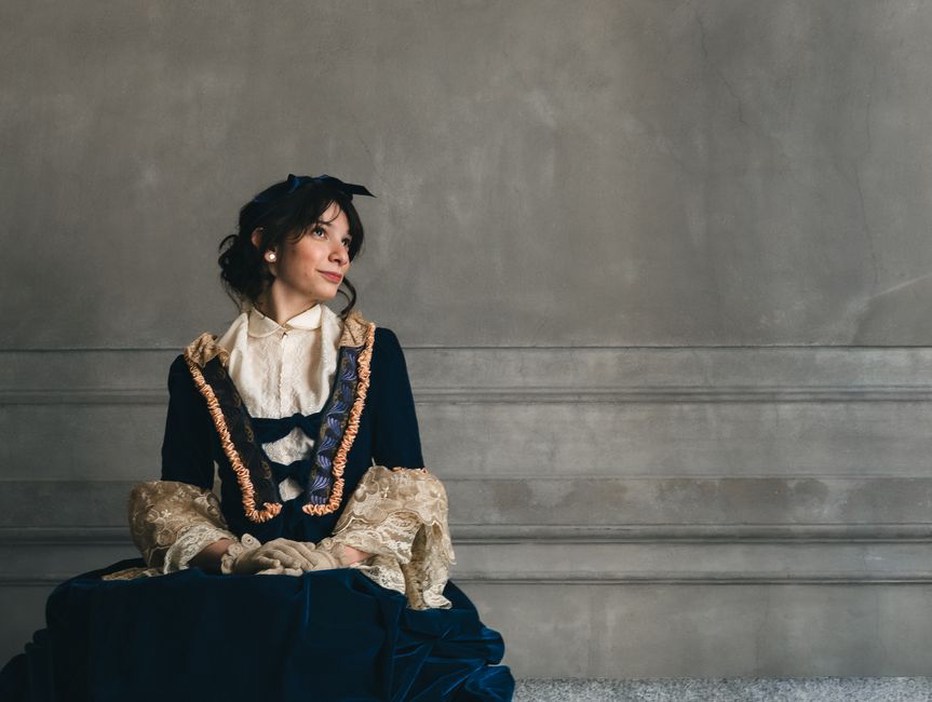
The periods that still shape collecting
1920s and 1930s: polished geometry and the evening comb
The interwar period brought cropped hairstyles, finger waves and close-fitting cloche hats, changing the role of the hair accessory. Broad Victorian combs gave way to narrower side combs, jewelled clips and bandeaux that followed the contour of the head. Royal portraits and formal photographs reinforced the appeal of controlled shine: rhinestones, marcasite-like finishes, pearls and silver-toned metal caught the light well in black-and-white images.
British makers produced both fine and costume versions of these looks. Look for neat symmetry, stepped or fan-shaped forms, and comb teeth that sit close to the head. With a contemporary outfit, one small geometric clip beside a low bun usually works better than several elaborate pieces. Do not force an old clip over a thick section of hair; its spring or hinge may be weaker than it looks.
1940s: utility, composure and the practical bow
During the Second World War, material restrictions changed accessory production, while images of royal women undertaking wartime duties helped establish a visual language of neatness and resolve. Hair was often arranged in contained rolls, pinned styles and simple waves. Bows, scarves and compact slides offered practical ways to maintain a finished appearance when resources were limited.
This period shows why a small accessory can carry considerable stylistic weight. A navy grosgrain bow, a tortoiseshell-coloured celluloid slide or a modest metal clasp could enliven a utility dress without using much material. Original 1940s pieces may reflect austerity in their construction, with plainer backs, simple stamped metal and less decoration than pre-war examples. That economy is part of their history, not necessarily a flaw.
1950s: the young princess effect
Post-war Britain saw royal imagery closely linked with optimism, domestic elegance and ceremonial dress. Hairstyles associated with young royal women and high-profile royal occasions made polished curls, ribboned ponytails and small decorative clips feel aspirational yet approachable. Department stores responded with velvet and faille bows, floral combs, pearlised plastic grips and dainty barrettes for daywear as well as parties.
The most useful finds from this period are not always the largest. Look for clear, sound construction: a bow securely stitched to its mount, a barrette with an intact clasp, or a comb whose decorative top remains firmly fixed to its teeth. Mid-century rectangular forms can move easily between formal and everyday dress; the P345 Rectangle Barrette collector’s guide examines one such mid-century hair clip in detail.
1960s and 1970s: youthful bands, sleek volume and relaxed ceremonial cues
The 1960s drew attention towards the headband, the bow at the crown and the statement clip. Royal family photographs, alongside youth fashion, helped normalise accessories graphic enough for television and press photography but uncomplicated in shape. Plastic, acrylic and fabric-covered bands became common, often in bright colours or softly structured pastels.
By the 1970s, rigid formality had loosened. Scarves, slides and more natural-looking materials appeared with tailored coats and country-inspired dressing. The royal association in this decade often lay less in one particular accessory than in the balance between tradition and ease. That remains a useful styling principle: a lacquered clip can sit well with knitwear and denim when the rest of the outfit is not crowded with period references.
| Period | Royal-adjacent visual cue | Vintage accessory to seek | Modern use |
|---|---|---|---|
| 1920s–30s | Formal shine and geometric order | Small paste clip or narrow side comb | Secure beside a low chignon |
| 1940s | Contained, practical polish | Grosgrain bow or simple celluloid slide | Finish a ponytail or half-up style |
| 1950s | Soft ceremonial femininity | Pearlised barrette or floral comb | Pair with a plain cardigan or dress |
| 1960s | Clean volume and graphic colour | Padded headband or sculptural clip | Use as the outfit’s single focal point |
| 1970s | Country-house ease | Scarf slide or natural-toned clasp | Wear with wool, corduroy or denim |
Materials: what royal-inspired designs borrowed and adapted
Royal jewellery often provided a visual reference for costume accessories, particularly through pearls, clear stones, enamel-like colour and floral motifs. This translation was not necessarily intended to deceive. Costume jewellery and hair ornaments offered a similar decorative effect in alternative materials, and many were openly sold as fashion accessories rather than copies of specific jewels.
- Grosgrain and velvet: Popular for bows because they hold their shape, photograph clearly and give a formal finish without sparkle.
- Celluloid and early plastics: Often found in amber, tortoiseshell or ivory-like tones. These materials can be fragile, so inspect for cracking, warping and a sharp camphor-like smell.
- Lucite and acrylic: Common in later mid-century pieces, allowing bolder colours and translucent effects. Check closely for stress cracks around drilled fittings.
- Metal and paste stones: Used for evening clips and combs. Missing stones, verdigris and loose prongs should affect both value and wearability.
- Faux pearls: A recurring marker of ceremonial polish. Peeling coatings and yellowed glue are common with age, so assess them gently.
Natural materials need particular care in descriptions and purchasing. Historical labels sometimes use “tortoiseshell” loosely for patterned plastic, while genuine tortoiseshell is subject to strict wildlife-trade controls. Do not identify a material by colour alone, and do not buy or sell questionable examples without checking the relevant rules and seeking expert advice. A well-made period plastic alternative can offer the same visual effect without misrepresentation.
How to distinguish influence from fantasy provenance
Royal associations can push up prices, especially when an accessory resembles one seen in a well-known photograph. A responsible purchase starts with the object rather than the story attached to it. Examine construction, dating clues, condition and documentation before weighing any alleged connection.
- Ask what is actually being claimed. “In the manner of” or “royal-inspired” describes a style. “Owned by” is a provenance claim and requires evidence.
- Inspect the reverse. Hinges, spring mechanisms, maker’s marks and fastening types often reveal more than the decorative front.
- Compare materials with the stated era. Modern glue-gun residue, a contemporary logo or a newly made clasp can contradict an early date.
- Request documentary support for exceptional claims. Family letters, inventory labels and old photographs may be useful, but they must connect clearly to the specific object.
- Price the piece for its intrinsic merits. An appealing unsigned 1950s bow clip can be a satisfying purchase without an invented palace connection.
Collectors should also watch for altered accessories. A vintage clasp may have been paired with newer decoration, or an original bow replaced after wear. Restoration is not inherently a problem when it is disclosed, but it changes how an object should be described and valued.
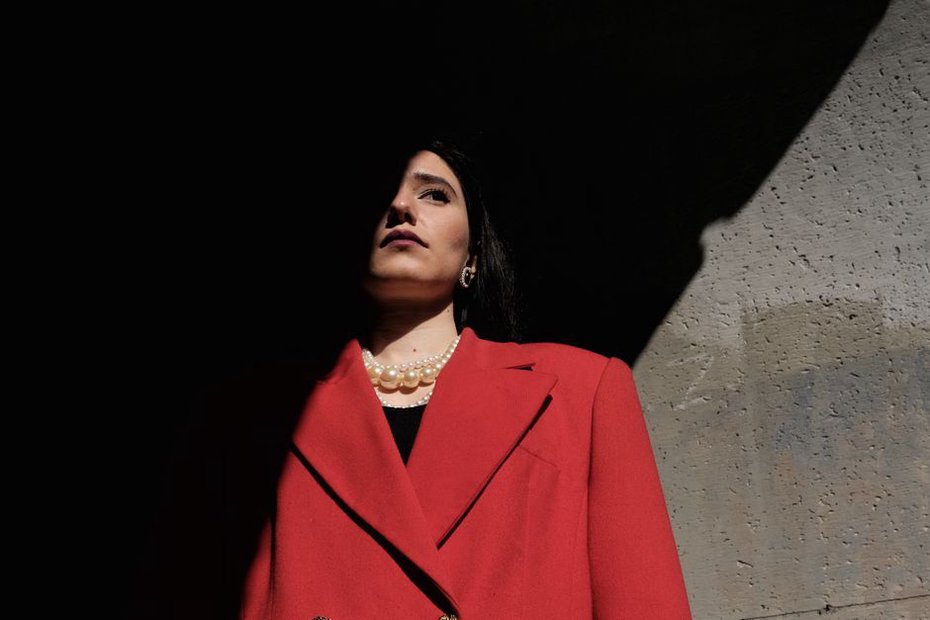
Styling the royal influence without costume
The strongest contemporary interpretations use one clear reference at a time. A narrow black velvet bow can echo mid-century royal formality with a white shirt and trousers. A small pearl barrette can soften a sharply cut blazer, while a smooth amber-toned clip sits naturally with a roll-neck and wool coat. Give the accessory enough visual space to be noticed; competing brooches, statement earrings and ornate necklines can make a small vintage piece disappear.
Placement matters as much as the accessory itself. Position a barrette just above the ear for an interwar line, at the base of a ponytail for a 1940s-inspired finish, or over the fastening point of a half-up style to conceal an ordinary elastic. If a piece is delicate, build the hairstyle with discreet modern pins first and let the vintage item serve as the visible finishing touch rather than the sole structural support.
A careful routine for wear and storage
Vintage accessories last longer when treated as small constructed objects rather than loose dressing-table clutter. Remove them before packing a bag, keep metal clips away from damp bathrooms, and avoid spraying fragrance or hairspray directly onto fabric bows, plated metal or plastics. Wrap individual pieces in acid-free tissue or soft unbleached cotton, particularly where stones or metal fittings might scratch neighbouring items.
Before wearing a clasp, open and close it slowly over a table. Do not force a stiff mechanism: dried residue, corrosion or a weakened spring may cause it to fail suddenly. If a stone is loose or a fabric edge is lifting, place the accessory in a labelled pouch and consult a conservator or experienced repairer instead of reaching for household adhesive. Keep a small card with the purchase date, material, known repairs and any reliable provenance. Years later, those plain notes can be as useful as the barrette itself.