
How to Identify 1940s Bakelite Hair Accessories
A warm, slightly camphor-like scent released by gentle friction can be a useful clue to old Bakelite, but it is never proof by itself. Modern plastics may smell when warmed, while testing can damage a fragile comb or barrette. The best identification rests on a combination of material, construction, wear, design and provenance—not one dramatic test.
Bakelite was the trade name most closely associated with early phenol-formaldehyde plastic, developed in the first years of the twentieth century. By the 1940s, moulded plastics were familiar materials for colourful, practical accessories. Hair combs, hairpins, barrettes and dress clips appeared in shades resembling amber, butterscotch, cherry juice, apple green, deep chocolate and opaque black. Yet the vintage trade often uses “Bakelite” loosely for several early plastics, including Catalin, which was made and aged differently. For collectors, the key question is less about applying a label than deciding whether an object is a plausible early-plastic accessory from the period claimed.
Start with the object, not the name
A seller’s description is a starting point, not a substitute for close inspection. A 1940s accessory should make visual and practical sense for its intended job. A substantial hair comb needs smooth, resilient-looking teeth; a barrette needs a mechanism capable of holding hair; a decorative pin needs a fitting suited to its size. An attractive marbled plastic disc with a newly attached clip is not automatically a period hair ornament.
Wartime constraints often shaped period accessories. Designs could be compact and resourceful, sometimes less ornate than their 1930s counterparts. That does not mean every genuine piece is plain. Carved or moulded leaves, bows, flowers, scalloped arches and geometric forms remained popular, but they usually have a sense of purpose and proportion rather than the exaggerated scale seen in some modern reproductions.
What genuine Bakelite and Catalin usually look like
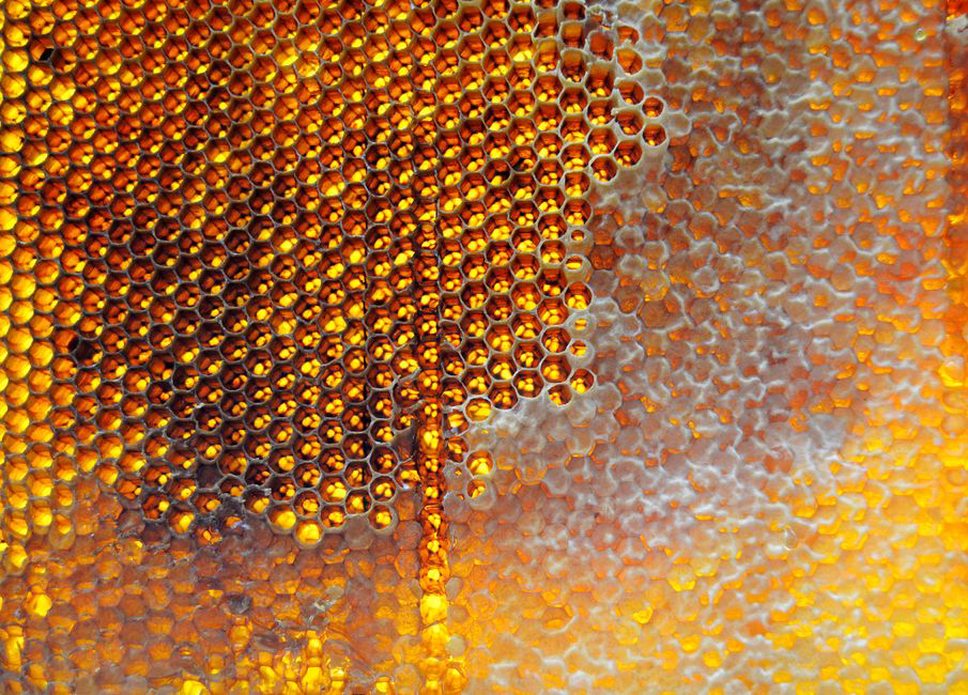
Collectors commonly encounter two related, yet distinct, terms. Bakelite was generally moulded from phenolic resin with fillers, producing durable and usually opaque pieces. Catalin, an early plastic often sold as Bakelite, was cast in rods or blocks, then cut, carved, polished or assembled. It is particularly associated with richly coloured, translucent and marbled jewellery and accessories.
Either material may appear in hair accessories. Colour alone cannot authenticate a piece, though ageing can offer useful evidence. Pale yellow may darken towards honey or butterscotch; white and cream can take on a warm ivory cast; greens may become softer and more olive. This gradual change, often called oxidation, happens as early plastic reacts to light, air and handling.
Look for these recurring material characteristics:
- Dense colour: Genuine early plastic often has visual depth. Even an opaque piece may appear warmer and less flat than modern injection-moulded plastic.
- Natural-looking colour variation: Marbling, swirls, cloudy patches and layered effects may be integral to the material, particularly in Catalin. They should not resemble a thin printed film beneath a glossy coating.
- Substantial feel: Old phenolic plastic is often heavier and warmer to the touch than similarly sized lightweight acrylic. Treat weight as a comparison, not a verdict.
- Fine tool marks: Carved areas can retain restrained signs of hand-finishing, especially around pierced details, bevels and the roots of comb teeth.
- Age-consistent surface: Tiny scratches, softened edges, slight dullness in sheltered corners and uneven oxidation are more persuasive than deliberately distressed gouges.
Translucency is especially easy to misread. Hold a suspected piece against a strong but indirect light source. Some Catalin gives a warm glow around thinner edges, whereas dense black or heavily filled Bakelite may stay opaque. Modern resin can glow too, so treat this as one observation among several.
Oxidation: a helpful, imperfect clue
Uneven ageing is often easiest to spot where an accessory was protected by a clip, rivet, metal mount or overlapping component. Do not remove hardware merely to inspect it, but an existing gap may reveal a brighter original colour. A brooch converted into a hair clip, for instance, might look amber-brown overall while showing bright yellow beneath an old fitting. That contrast can support an assessment of age, though prolonged storage away from light can produce a similar effect.
Darkening does not guarantee authenticity. Heat, UV exposure, staining and poorly judged restoration can alter both vintage and newer plastics. Equally, a genuine piece stored with care may retain remarkably fresh colour.
Examine construction before using material tests
Hardware often tells a quieter, more dependable story than colour. Fittings on a 1940s hair accessory may be brass, steel, plated base metal or, occasionally, metalwork compatible with celluloid. They should be sensibly engineered and appear original to the body of the piece rather than improvised.
| Feature | More consistent with a period piece | Reason for caution |
|---|---|---|
| Barrette fastening | Stamped metal, riveted or carefully mounted, with age-related patina | Bright new alligator clips glued onto old-looking plastic often indicate conversion or reproduction |
| Comb teeth | Gradual tapering, rounded tips, and a coherent moulded or carved structure | Very thin, sharply cut teeth may snap easily and can suggest recent laser-cut acrylic |
| Rivets and screws | Neatly seated, proportionate hardware with wear matching surrounding surfaces | Freshly drilled holes, mismatched screws, or excess modern adhesive deserve scrutiny |
| Edges and seams | Polished edges and, where relevant, discreet joins from original assembly | Prominent mould seams, rough flash, or a hollow feel are common in later plastics |
Some genuine vintage components have been converted into hair accessories over the decades. A 1940s Bakelite dress clip or brooch fitted later with a modern barrette back can still be an honest vintage object if the conversion is described clearly. Its value, rarity and usefulness differ from those of an untouched original hair accessory. “Original hardware” and “original material” are separate questions.
A close comparison with construction principles in other period clip designs can train the eye. The Store P369 Leaf Hair Clip: A Collector's Guide focuses on a leaf hair clip rather than Bakelite identification, but it shows why attachment methods matter as much as decorative shape.
Safe tests—and methods to leave behind
Older collecting guides sometimes recommend hot-water, hot-pin, rubbing, chemical or scratching tests. These methods can permanently mark an accessory, weaken old material, release unpleasant fumes or compromise a piece that has survived for eight decades. A buyer should not need to harm an object to decide whether to buy it.
Low-risk observations
- Inspect in daylight. Look at the front, back, sides, teeth and fittings. A pocket torch can reveal thickness, internal pattern and repairs.
- Use magnification. A jeweller’s loupe or phone macro setting may reveal mould seams, glue residue, tool marks, crazing and small cracks.
- Compare temperature and density. Hold the piece briefly beside known acrylic or lightweight plastic. Phenolic materials often feel denser, but this remains an impression rather than a verdict.
- Notice scent without forcing it. A faint aged phenolic smell may be present when a piece has naturally warmed in the hand. Do not rub aggressively or apply heat.
- Ask for documentary context. Clear photographs, measurements, origin, previous collection history and an explanation of any repair carry more weight than a categorical “tested Bakelite” claim.
The popular chemical test involving products that react with phenolic plastic is particularly unsuitable for finished hair ornaments. Dirt, polish, oxidation, coatings and variations in the plastic itself can all affect the result. For a scarce carved comb, the potential damage outweighs the value of the answer.
Distinguish Bakelite from common lookalikes
Celluloid is an important period lookalike. It can be beautifully translucent, striped, tortoiseshell-like or delicately moulded, and it was widely used for combs. It often feels lighter than Bakelite and may show fine cracking, warping or a layered appearance. Celluloid is highly flammable, so keep it away from heat and direct sunlight. It deserves careful treatment in its own right, but it is not Bakelite.
Lucite and acrylic became prominent later and tend to look clearer, glassier and more uniform. Their crisp transparency can be attractive, but it differs from the dense, mellow colour and age-related opacity many collectors associate with Catalin. A modern acrylic reproduction may have clean laser-cut edges, flawlessly repeated marbling and lightweight clip hardware.
Modern resin can mimic swirls, embedded glitter and amber tones very convincingly. Check the reverse: resin reproductions often have a glossy, almost wet-looking finish, visible casting bubbles or a shallow decorative face bonded to a modern base. An overly perfect “vintage” finish, particularly with a contemporary branded clasp, deserves scepticism.
Casein plastic, historically made from milk protein, can also be mistaken for Bakelite. It was used for buttons and small decorative articles, and may have a softer, more organic appearance. If material identity will substantially affect the price or insurance value, professional examination is sensible.
Dating a piece to the 1940s
Material alone rarely dates an accessory to a precise decade. A Bakelite object may have been made in the 1930s, 1940s or later, while a 1940s design may have been reproduced. Build a date from several sources: silhouette, mechanism, documented maker marks, original packaging, family provenance and comparison with dated catalogues or advertisements.
Useful 1940s signals can include compact floral or bow motifs, practical combs and slides suited to structured hairstyles, and hardware influenced by material shortages. Wartime Britain did not, however, produce one uniform visual language. Imported goods, pre-war stock sold during the decade, home-made adaptations and post-war pieces all complicate neat classifications. Use terms such as “circa 1940s” when certainty is not supported.
Maker marks are welcome but not essential. Their absence is normal on small functional hair pieces. If a mark is present, photograph it clearly and consider whether it belongs to the object rather than relying on a name alone. A famous mark paired with implausibly new hardware or unsuitable material calls for further research.
Buying questions that protect both collection and budget
Before purchasing, ask whether the material was identified through observation or a destructive test; whether the fastener is original; whether the teeth are intact; and whether cracks appear near stress points. Request photographs of the reverse, clasp, side profile and any damage under bright, even light. For online listings, one carefully lit front view is not enough.
- Is the item described as Bakelite with evidence, or merely styled as Bakelite?
- Has it been repaired, reworked, recoloured or converted from another accessory?
- Are all comb teeth present and stable?
- Does the fastening close securely without forcing it?
- Is there a return policy if the material or condition differs materially from the description?
Price should never be the only sign of authenticity. Common, unmarked pieces can be genuine and affordable. Elaborate carvings and rare colour combinations may command more, but rarity claims need support. If an object is expensive, unusually pristine or presented as a scarce named design, an independent specialist’s opinion may be proportionate.
Handling and storing an authenticated piece
Use a soft, dry cloth for routine dusting. Avoid soaking, ultrasonic cleaners, alcohol, perfume, hairspray, polish and strong household cleaners; they can cloud surfaces, affect old adhesive or stress metal parts. Put a barrette or comb in place after fragrance and styling products have settled, rather than exposing it directly to residue.
Store each accessory separately in acid-free tissue or an unbleached cotton pouch, away from radiators, sunny windowsills, loft heat and sharp temperature changes. A comb should lie flat with its teeth supported, not stand upright under pressure. If a small crack begins at the base of a tooth, stop wearing it until a conservator experienced with historic plastics can assess whether stabilisation is appropriate.
For a useful condition record, photograph the front, reverse, clasp and each edge when the piece enters your collection. Add its measurements, known provenance and a note such as “one stable hairline crack at third tooth”. Repeat the photographs each year. A new split, colour shift or loosening rivet is much easier to spot before the accessory is worn again.