
The Store p590 Lottie Hair Claw: A Collector’s Guide to the 1990s British Pink Acetate Clip
When you hold the Store p590 Lottie hair claw in pink, the first thing you notice is the colour—a soft, milky rose that catches the light without screaming. The second is the weight: substantial but not heavy, with a spring that clicks with reassuring precision. This is not a mass-produced plastic claw from a high-street bin. It is a carefully engineered accessory, one that belongs to a specific moment in British fashion history when the humble claw clip shed its utilitarian image and became a statement piece.
The Rise of the Hair Claw in British Fashion
Hair claws—often called claw clips or jaw clips—entered the mainstream in the mid-1980s, but it was the 1990s that turned them into a cultural fixture. British women, from city commuters to countryside dwellers, adopted the claw for its practicality: it held thick hair securely, didn’t snag like a metal barrette, and could be pinned in seconds. Yet by the early 1990s, designers began experimenting with shape, colour, and material. The Store p590 Lottie is a perfect example of this evolution. Manufactured in Britain, likely between 1993 and 1997, it was part of a small-batch collection sold through independent boutiques and select department stores. The name “Lottie” suggests a playful, feminine character—a nod to the accessory’s intended wearer.
Anatomy of the p590 Lottie
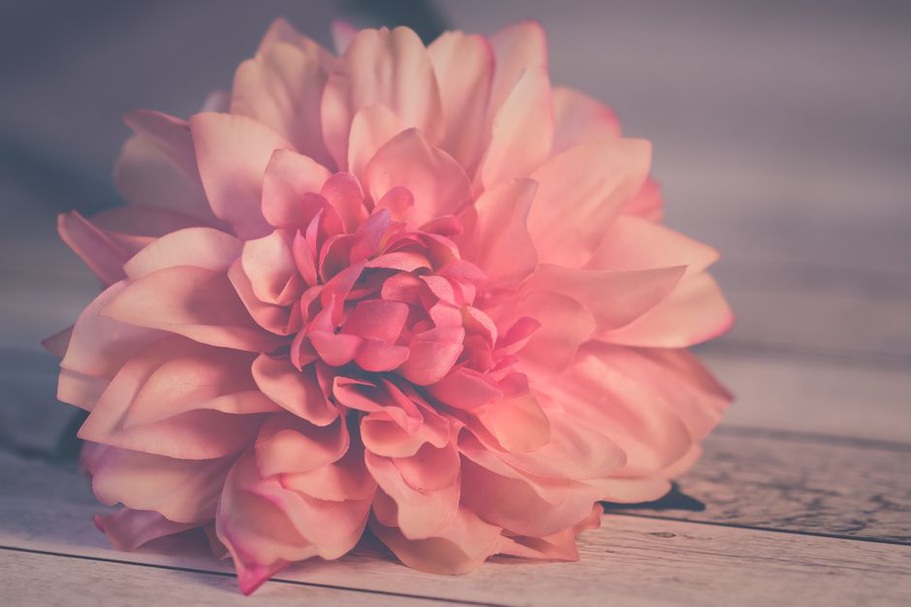
The claw measures approximately 9 cm in length, with six curved teeth that interlock evenly when closed. The material is a high-quality cellulose acetate, chosen for its durability and ability to hold intense colour. The pink is not a single shade: look closely and you’ll see subtle streaks of coral and pearl, a result of the layering process used in acetate production. The spring mechanism is encased in a metal housing, stamped with a tiny “p590” and “Made in England” on the inner curve. This marking is the collector’s key—genuine pieces always carry it, though wear may obscure it. The hinge moves smoothly without grinding, a sign of proper lubrication at the factory.
Compared to later mass-produced claws, the Lottie has a more organic silhouette. The top curve is asymmetrical, rising higher on one side, which allows it to sit elegantly against the crown of the head. The teeth are slightly tapered, reducing pressure points. This thoughtful design is what makes the p590 Lottie a joy to use even three decades later.
Why Pink? A Note on 1990s Colour Trends
Pink in the 1990s was not the bubblegum of the 1980s nor the millennial pink of the 2010s. It was a dusty, muted rose—sometimes called “blush” or “antique pink”—that appeared on everything from lipsticks to car interiors. The Lottie’s pink fits this palette perfectly. It was intended to complement the neutral-toned wardrobes of the era: cream trench coats, charcoal knitwear, denim jackets. The colour also made the claw less conspicuous in lighter hair, while adding a warm accent. For collectors, this specific shade is one of the easiest ways to distinguish the p590 from later reproductions, which often use a brighter, more synthetic pink.
Identifying a Genuine p590 Lottie
- Markings: Look for “p590” and “Made in England” stamped on the metal hinge. Counterfeits may omit the stamp or print it in ink.
- Material: Authentic acetate feels slightly warm to the touch and has a faint, sweet chemical smell (harmless). Plastic copies feel cold and smell like melted candy.
- Spring tension: The genuine claw opens with a firm, even resistance. A weak or jerky spring indicates a fake or a damaged piece.
- Colour variation: Real Lotties show subtle swirling in the pink. Uniform colour is a red flag.
- Weight: Approximately 22 grams. Too light or too heavy suggests different materials.
Styling the Lottie Today
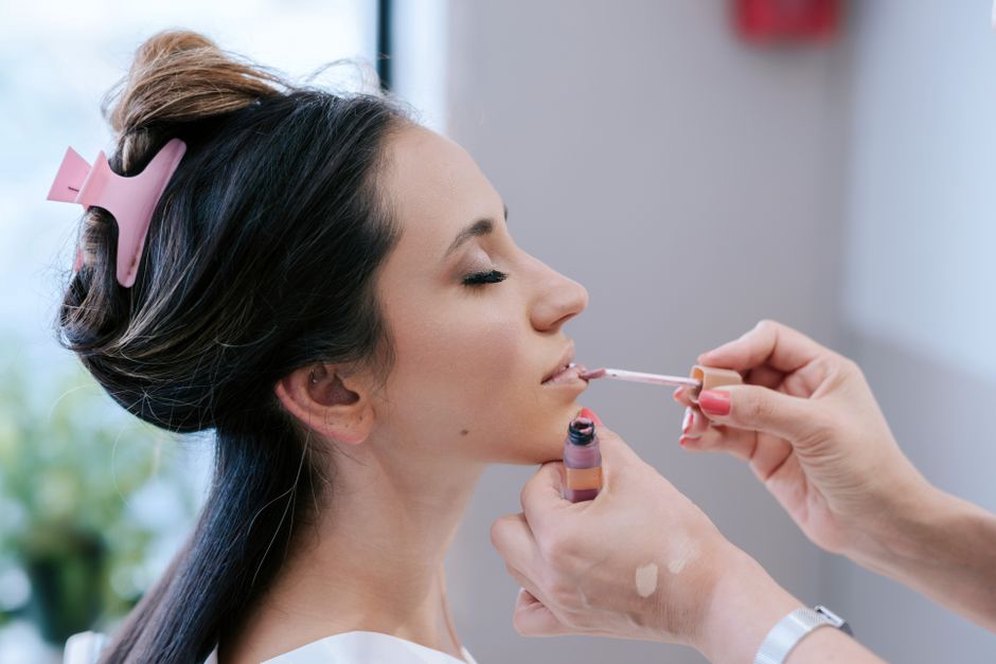
The beauty of the p590 Lottie is that it bridges decades without looking costume-like. For a modern twist, pair it with a silk blouse and wide-leg trousers—the soft pink contrasts nicely with structured tailoring. It also works beautifully in a low, loose bun for weekend errands. If you have fine hair, use the claw to hold a half-up style; the grip is gentle enough not to pull. For thicker hair, the six teeth provide excellent hold without needing a second clip. Avoid using it for very wet hair, as the spring can weaken over time with moisture exposure.
One of our earlier guides, The Phoebe Scrunchie: A Collector's Guide to the 1996 Maison Archives Icon, explores another 1990s hair accessory that shares the Lottie’s spirit of refined practicality. Both pieces remind us that the best vintage finds are those that work as well today as they did then.
Caring for Your Lottie Claw
Acetate is sensitive to heat and solvents. Never leave the claw in direct sunlight for extended periods—the pink will fade unevenly. Clean it with a soft, dry cloth after use; if needed, a barely damp cloth with mild soap works, but dry immediately. Store it in a fabric-lined box or a soft pouch, away from other metal accessories that could scratch the surface. The spring can be lightly oiled once a year with a drop of sewing machine oil on the hinge, then wiped clean. Avoid hairspray or styling products near the claw, as alcohol can dull the acetate.
If you inherit or find a Lottie with a stiff or loose spring, do not attempt to pry it open. A professional jeweller or watchmaker can often replace the spring without damaging the acetate. This is rare, but worth knowing if you come across a bargain lot.
Where to Search
Vintage hair accessories are increasingly sought after, and the p590 Lottie appears sporadically at British car boot sales, estate auctions, and online vintage marketplaces. Because the markings are small, many sellers overlook them. Look for listings that mention “vintage pink hair claw” or “1990s British claw clip” and examine the photos closely. Be patient—a genuine Lottie in good condition might cost between £15 and £40, depending on the seller’s knowledge. The thrill of the hunt is part of the pleasure.
For those who enjoy the broader context of vintage accessories, the The Rare Ferragamo p27 Pump Hair Clip: A Collector's Guide offers a fascinating look at how luxury brands translated footwear design into hair accessories—a different, but equally rewarding, collecting niche.
The quiet click of the Lottie’s spring is not just functional—it’s the sound of a hinge that was oiled and tested before leaving the factory. If you ever find one with a weak spring, a jeweller can fit a replacement without harming the acetate. That kind of repairability is almost unheard of in modern accessories. The p590 Lottie is a piece you can pass down, not just wear—and its colour, that dusty rose, will still catch the light the same way it did thirty years ago.