
The Phoebe Scrunchie: A Collector’s Guide to the 1996 Maison Archives Icon
The catalogue number Store P266 in the Maison Archives ledgers refers to a single elusive piece: the Phoebe scrunchie, produced in a limited run for the autumn of 1996. Unlike the brand’s earlier tortoiseshell combs or velvet headbands, this scrunchie was a deliberate nod to the 1990s revival of the Victorian aesthetic, reimagined through the lens of British high-street rebellion.
The Phoebe scrunchie is not a simple elastic loop; it features a ruched silk velvet outer sleeve, a concealed metal clasp for extra hold, and a miniature bow stitched by hand at the seam. Its diameter is exactly 12 cm when relaxed, and it weighs only 8 grams – specifications that matter when you are trying to verify authenticity at a flea market or car boot sale.
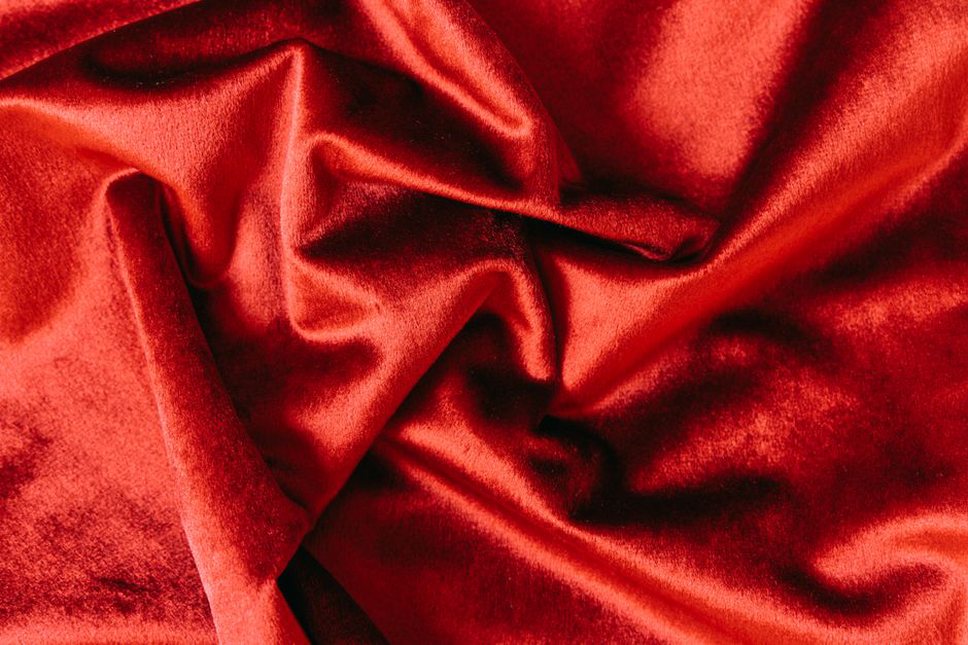
The scrunchie arrived in two colourways: a deep burgundy (designated Bordeaux) and a charcoal slate. Both were cut from the same woven silk velvet stock used for Maison Archives’ evening gloves, a fabric that does not crush easily but does lighten irreversibly under direct sun. The metal clasp inside is stamped with the Maison Archives monogram, a detail many imitations omit.
Historical Context: The 1994–1996 Scrunch Revival
By the mid-1990s, the scrunchie had already become a fixture of British teenage wardrobes, thanks to a combination of indie magazine spreads and Princess Diana’s more casual looks. Maison Archives, however, approached the trend with the same archival rigour they applied to 18th-century hat mounts. Instead of using stretch polyester chiffon, they commissioned a Derbyshire mill to produce a narrow-width velvet that could be gathered by hand without losing its nap. The Phoebe scrunchie was sold exclusively through Liberty London and a single concession in Harvey Nichols, priced at £28 – a substantial sum at the time for what many called a hair-twister.
The name “Phoebe” is believed to reference Phoebe Handley, a little-known British textile restorer who collaborated with Maison Archives on period repair techniques. Her influence shows in the scrunchie’s hidden wire core, which allows the piece to hold its shape without crushing the elastic. This construction method is identical to that used in Victorian chatelaine pouches, and it explains why surviving examples often still hold their bounce after nearly thirty years.
Materials and Construction: What to Look For
Genuine Phoebe scrunchies share three non-negotiable features:
- Fabric type: Silk velvet with a warp of hand-dyed silk and a weft of cotton. The nap should shift colour when brushed – burgundy takes on a dark plum tone, charcoal slate turns steely blue.
- Clasp: A flat, spring-loaded metal bar stamped “MA” in a gothic serif font. The clasp should open and close with a clean click; a stiff or gritty action suggests replacement or damage.
- Bow stitch: Three tiny French knots at the centre of the bow, each made with a single strand of silk thread. Machines cannot replicate the irregular tension of these knots.
If you find a scrunchie advertised as “Phoebe” without the clasp or with a fabric blend that includes acetate, it almost certainly belongs to a later diffusion line or a modern reproduction. The original piece does not shed surface fibres even after gentle handling.
How to Store the Phoebe Scrunchie Without Losing Its Life
Silk velvet is hygroscopic and attracts dust like a magnet the moment it sits on an untreated shelf. For a collection-specific method, refer to the C14 System: How to Store Vintage Hair Accessories Without Losing Your Mind, which explains compartmentalised storage for small textile pieces. For the Phoebe scrunchie specifically, here are three rules:
- Never keep it stretched. The elastic core will fatigue permanently if the scrunchie is stored looped over a door knob or hung on a hook. Instead, lay it flat, folded loosely in half with the bow facing upward.
- Wrap it in acid-free tissue. Standard paper contains lignin, which yellows the velvet over time. Use unbuffered tissue (pH 7.0) and change it every two years.
- Protect from light. Indirect daylight fades the burgundy to a muddy brown within twelve months. A dark drawer or a box lined with museum-grade card is ideal.
If you live in a humid climate (common in British coastal towns), add a small silica gel pack to the container, but do not let it touch the fabric directly. The gel’s sharp edges can snag the nap.

Pairing the Phoebe with a Contemporary Wardrobe
The scrunchie’s generous volume and subdued colour make it surprisingly versatile. Try it with a wide-leg linen trouser and a simple cable-knit jumper for a refined school-run look. For evening, a French twist secured with the Phoebe and a single stray strand left loose echoes the 1996 editorial spreads that made the piece famous. The key is to let the accessory speak – avoid additional hair ornaments in the same updo.
Because the clasp adds grip, it can also serve as a bracelet when the scrunchie is festooned around the wrist. This was a styling trick used in the original Maison Archives press shoot for the piece, though it is seldom documented in surviving catalogues.
When assessing a second-hand example, always test the elastic by gently stretching the scrunchie between two fingers. If it returns to its original circumference without sagging, the core is intact.
If it hangs loose or shows powdery residue, you will need to have the elastic replaced by a specialist textile restorer – a procedure that requires unpicking the hand stitches at the clasp seam and rethreading new velvet-covered elastic. Most London-based restoration studios charge between £45 and £60 for this work, and the scrunchie should last another two decades afterwards.
A final note on the clasp: if the original “MA” stamp has worn away, do not consider it a flaw. Years of contact with hair oils naturally soften the metal surface, and given that the Phoebe was meant to be worn, a faded monogram is simply a mark of a well-loved life.