
The Sunny Hair Comb: A Collector’s Guide to a Mid-Century British Icon
You spot it across the antiques fair: a sunburst-shaped hair comb in honey-coloured celluloid, its rays perfectly preserved. The dealer catches your eye and smiles. ‘Ah, the Sunny one — rare to see them with the original patina.’ That moment of recognition, that quiet thrill of finding a piece of British accessory history, is what this article is about. Not just any comb, but the distinctive Sunny design — a recurring motif in mid‑20th century British hair accessories that still catches the discerning eye today.
What exactly is a ‘Sunny’ hair accessory?
The term Sunny in vintage accessory circles refers to a family of hair ornaments produced mainly in England between the late 1940s and early 1960s. They share a central motif: a stylised sun with radiating spokes, curved rays, or petal-like arcs. The design was never trademarked by a single maker; rather, several small Birmingham and London ateliers adopted the pattern as a signature flourish. The name ‘Sunny’ was popularised by collectors in the 1990s, after a catalogue from a defunct haberdashery chain listed a ‘Sunburst Hair Slide’ as a ‘Sunny-style ornament’.
Materials and techniques
The earliest Sunny pieces were hand‑carved from horn or tortoise‑shell (the latter now entirely illegal; vintage tortoiseshell combs predate the 1973 ban and are still collectable as antiques). By the 1950s, most Sunny accessories were made from cellulose acetate or phenolic resin (Bakelite). The heat‑moulding technique allowed for precise, symmetrical ray patterns that remained flexible enough to grip the hair without snapping. Silver‑plated examples exist, often with a gilt wash, but the majority are warm‑toned plastics that mimic the glow of natural shell.
What distinguishes an authentic Sunny piece from later reproductions is the way the back of the comb is finished. Original examples have a slightly textured, unpolished reverse where the mould seam was filed by hand. The rays are never perfectly identical — a tiny asymmetry in the spacing of the outer points is the mark of a skilled craftsperson working from a master template.
Identifying your Sunny find
If you think you’ve stumbled upon a genuine Sunny accessory, here are five practical checks you can make without a loupe:
- Weight: celluloid and early acetate are noticeably lighter than modern resin. A Sunny comb should feel featherweight, almost like a dried leaf.
- Sound: gently tap the comb against a hard surface. Real cellulose acetate produces a dull, warm click; Bakelite gives a higher pitch.
- Odour: rub a small inconspicuous area with your thumb. Vintage celluloid can release a faint camphor‑like scent — not unpleasant, but distinctive.
- Ray count: authentic Sunny combs almost always have 12 or 16 rays. Designs with 8 or 20 rays were usually made for export or as later revivals.
- Back marks: look for tiny impressed letters — MADE IN ENGLAND or a three‑digit design registration number. Absence doesn’t mean it’s a fake, but presence is a strong clue.
Era silhouettes and how they were worn
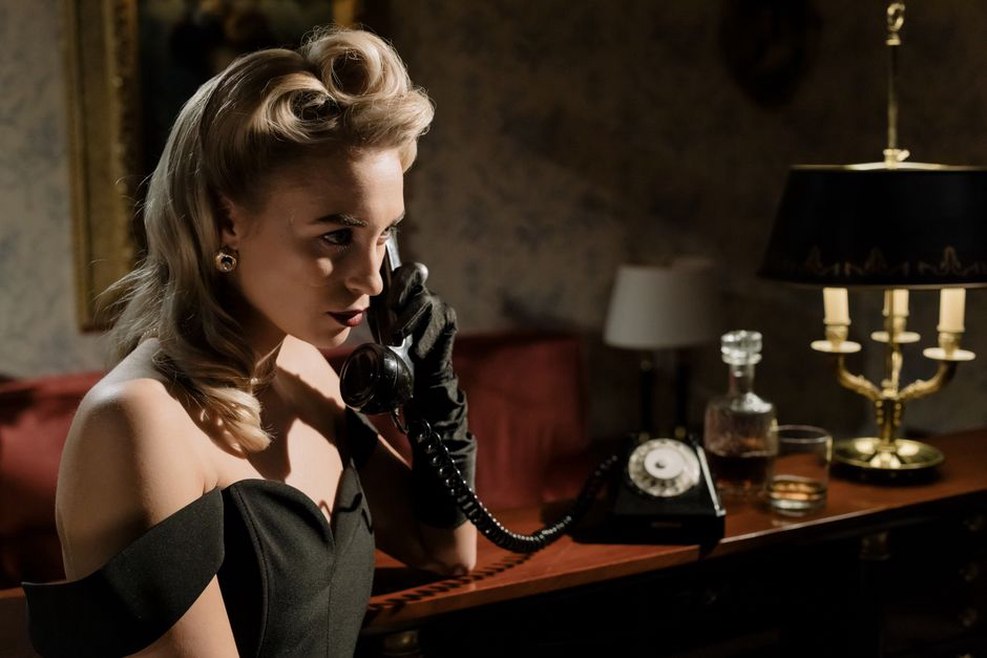
The height of the Sunny accessory’s popularity coincided with two distinct hairstyles. In the early 1950s, when women wore their hair in neat victory rolls or a soft pageboy, a single Sunny comb was tucked vertically behind the ear, its rays spreading outward like a miniature halo. By the late 1950s, as the beehive and bouffant took over, the Sunny was used as a decorative anchor: two combs crossed at the crown, or a single large piece placed horizontally at the nape to secure a French twist.
Modern pairings that honour the original
A Sunny accessory doesn’t belong only in a museum shadow box. The key to wearing it today is restraint and contrast. Let the comb be the star; keep the rest of your outfit simple. A cream silk blouse with wide‑leg trousers and the Sunny comb swept through a low chignon nods to the 1950s without veering into costume. For a bolder look, clip a smaller Sunny barrette onto a sleek ponytail — the warmth of the celluloid against dark hair is striking.
If you’re new to incorporating vintage hairpieces into your daily wardrobe, start with one piece per style. Our earlier guide to collecting vintage hair accessories offers practical tips on identifying pieces that pair well with modern fabrics. The Sunny design, with its earthy hues and organic shape, works especially well with denim, linen, and unbleached cotton — materials that let the accessory’s glow breathe.
Care that keeps the shine
Because most Sunny accessories are made from early plastics, they require gentle handling. Never soak them in water; instead, wipe with a soft, slightly damp cloth and dry immediately. Avoid prolonged exposure to direct sunlight — ironic, given the motif — as UV rays can cause celluloid to yellow unevenly. For Bakelite pieces, a tiny dab of beeswax polish buffed on with a microfibre cloth restores lustre without damaging the surface. Once you have your first Sunny piece, you may want to read our dedicated post on caring for vintage hair accessories with heart — it covers storage, cleaning, and the occasional repair with a warmth that matches the joy of owning these objects.
A note on patina and provenance
Collectors prize the way a Sunny comb mellows over decades. The slight deepening of colour around the edges, the fine crazing that appears only under a magnifying glass — these are not flaws but the object’s own history. If you inherit or find a Sunny piece that feels sticky or has a strong chemical odour, that is a sign of cellulose degradation. Store it separately from other accessories in a cool, dry place, and consult a specialist before attempting any restoration. Most of the time, however, a gentle wipe and a day of airing is all it needs.
Next time you browse a market stall in London or a barn sale in the Cotswolds, keep an eye out for those even, warming rays. The comb that catches your light — that one, right there — might just be Sunny.