
Revisiting the October 2016 Archives: Vintage Hair Accessories in British Fashion
If you have spent any time digging through the back pages of a well-kept vintage blog, you know that the month of October 2016 holds a quiet treasure trove for British hair accessory enthusiasts. That particular autumn saw a surge in interest for amber-toned Bakelite combs, hand-carved horn slides, and the kind of deep burgundy velvet ribbons that perfectly complement a tweed coat. Yet many collectors skip past 2016 altogether, assuming that earlier content is less relevant. The October 2016 archives, however, contain specific insights that are as useful today as they were seven years ago.
What the October 2016 Archives Hold
The posts from that month cluster around a few central themes, each tied to the season’s practical and aesthetic demands. One recurring topic was the shift in hair accessory silhouettes from summer’s light, openwork designs to more substantial, darker pieces that could hold against the wind and rain. October 2016 featured detailed guides on identifying early English cellulose nitrate combs—often mislabelled as tortoiseshell—and on distinguishing genuine French jet from black glass.
Another thread running through that archive is the celebration of autumnal colour palettes. Deep auburn, mustard yellow, and forest green were championed in posts about ribbon ties and fabric-covered hair slides. Several entries compared the warm tones of original Edwardian mottled horn with the later Bakelite imitations, giving collectors clear visual markers to look for when browsing antique fairs.

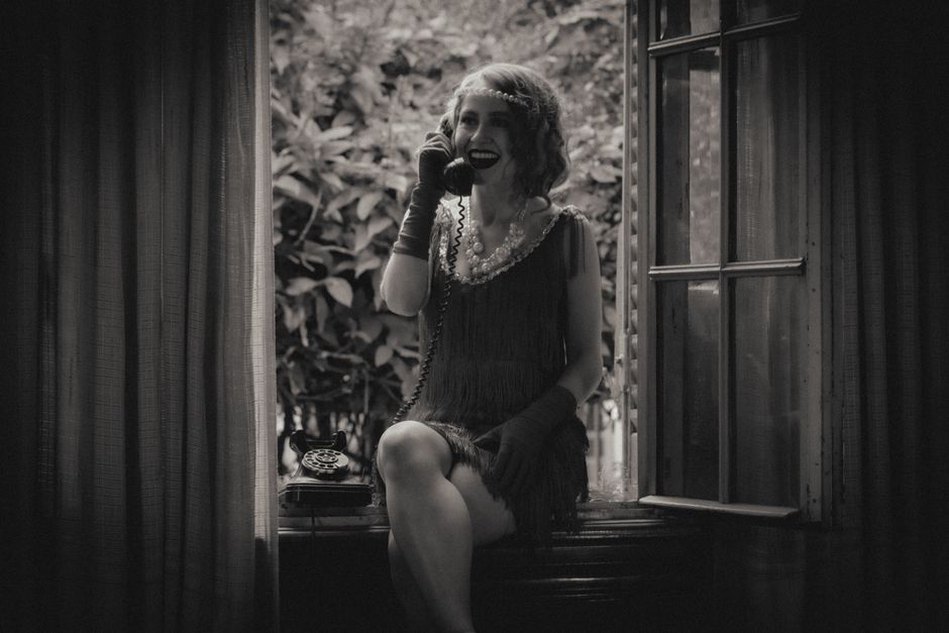
October 2016 also coincided with a growing awareness of how certain hair accessories transitioned between daytime and evening wear. A popular post that month examined the double-duty role of the 1920s ‘Acrobat’ comb—a long, curved piece that could be worn as a headband or a side comb. The archive’s close-up photographs and step-by-step styling tips remain a reliable reference for anyone trying to replicate a Jazz Age silhouette without modern hairspray.
Lessons in Material and Craftsmanship from That Season
What makes the October 2016 archive especially valuable is its focus on material provenance. At a time when online marketplaces were flooding with synthetic resin copies, the blog’s author spent several posts explaining how to perform simple heat-pin tests on Bakelite, how to spot the hand-filed notches of a genuine Georgian hairpin, and why a comb’s weight distribution matters for long-term wear. These lessons have not aged because the materials themselves have not changed.
One particular entry stood out for its deep dive on the ‘lost wax’ casting method used in Victorian silver hair ornaments. The author traced the technique back to Birmingham’s jewellery quarter in the 1880s and shared micro-photographs of casting marks that still help collectors authenticate pieces today. Another post compared the flexural strength of celluloid versus casein, a subject rarely addressed in other vintage hair accessory resources. For anyone serious about understanding the structural history of their collection, the October 2016 posts on materials are a masterclass in plain English.
How to Use the Archives for Your Own Collection
Browsing a blog archive by month may feel old-fashioned, but it is one of the most effective ways to see how a specific time period influenced collecting priorities. For example, if you are restoring a 1950s French twist, the October 2016 entries on wide-toothed metal combs and their proper tension adjustment will save you hours of trial and error. The archive also includes seasonal buying guides that recommended certain British antiques fairs—the Ardingly Antiques Fair and the Newark International Antiques Fair—with practical advice on negotiating for loose hairpins and finding replacement parts for damaged slides.
To make the most of this content, set aside an afternoon to read the October 2016 posts in sequence. Notice how the author’s voice shifted from excitement about a newly found silver filigree ornament to cautionary tales about over-polishing original patina. That emotional arc is itself a lesson in collecting philosophy. If you prefer a more structured approach, you might consider building a simple digital index of your own favourite articles—a practice that was first described in a companion post from the same blog around that time. The October 2016 archives work beautifully alongside a straightforward HTML archive of your vintage hair accessory collection, as both systems rely on clear categories and honest documentation.
The Enduring Relevance of October 2016’s Insights
Fast-forward to the present, and the same principles that governed good vintage hair accessory choices in October 2016 still apply. Sustainable fashion advocates now speak of ‘slow collecting’—the idea that each piece should be chosen for its craftsmanship and longevity rather than trend cycles. The October 2016 archive was already practising that philosophy, encouraging readers to buy one exceptional Edwardian shell comb instead of a handful of mass-produced plastic slides. The posts also anticipated the current interest in material traceability by documenting the exact batch numbers and factory stamps found on British-made hair accessories from the 1930s and 1940s.
One narrow but crucial tip from that archive still appears in forums today: how to store long, fragile hair forks without warping the tines. The advice was to use acid-free tissue and lay the fork horizontally in a shallow box, never suspended by its head. That kind of specific, care-level detail is why the October 2016 archives deserve a fresh look. They were written at a moment when the online vintage community was small enough that knowledge could be shared generously, without the noise of sponsored content. Revisiting those posts is like having a quiet conversation with a more experienced collector who never pushes a sale.