
The Vintage Blush Rose Crown: A Collector’s Guide
A blush rose crown headband can look effortlessly romantic on a grey January morning, but only if the roses are right. The shade of blush matters enormously: too pale and the headband disappears against fair hair, too pink and it turns into a child’s party favour. Vintage makers understood this balance, and their surviving pieces are a masterclass in soft colour, fine fabric and careful construction. The best examples were made by milliners who knew that a headband should hold its shape without pinching, and that each rose should sit naturally among its leaves, not in a stiff row.
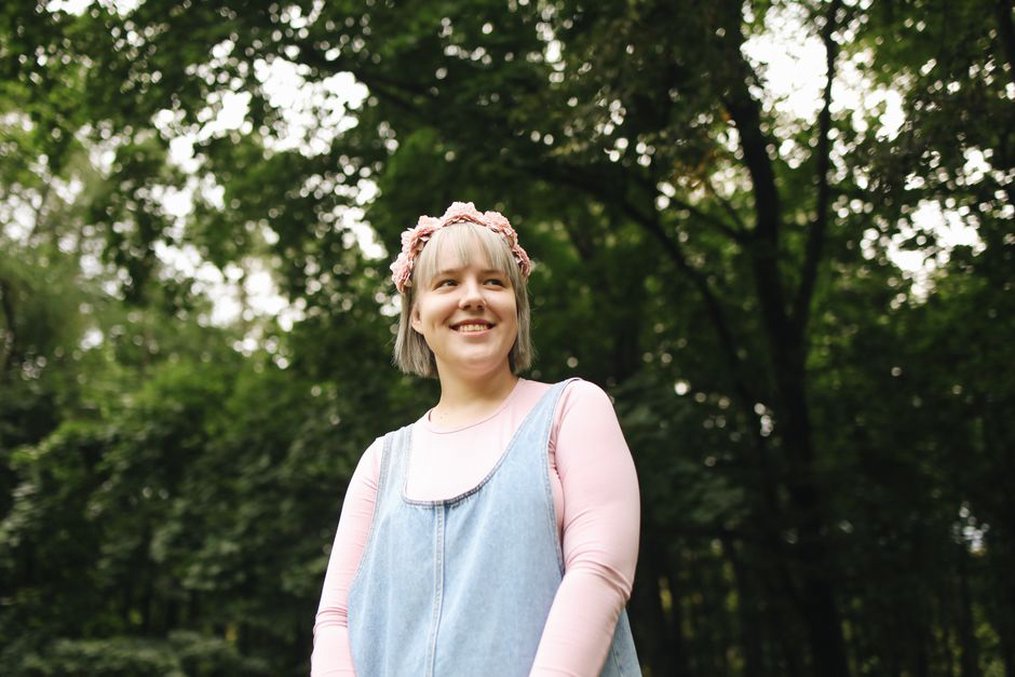
The Blush Palette in Vintage Hair Accessories
Blush is a modern colour name, but the desire for pale, warm pinks in hair accessories is much older. In British millinery, shades such as 'shell pink', 'old rose' and 'powder pink' appeared in catalogues from the 1920s onwards. These names described silk and velvet roses that were dyed in small batches, which is why no two vintage blush rose crowns are exactly alike. A 1950s piece might lean peach, while a 1980s piece could be cooler and more mauve. When you are hunting for a blush crown, bring a small piece of fabric or a nail varnish bottle in your ideal shade; it is a surprisingly reliable way to compare tones under shop lighting.
The British climate also shaped the choice of material. Silk roses were favoured for summer weddings and garden parties, while velvet roses appeared in autumn and winter collections. Cotton roses, less glossy than silk, were often used for daytime pieces. Blush pink appeared in all three, but the texture changed the colour: a blush silk rose catches the light and looks almost translucent, while a blush velvet rose absorbs light and reads as deeper and more mysterious.
Anatomy of a Blush Rose Crown
A rose crown headband is essentially a flexible base — wire, metal, or plastic — covered with fabric and topped with a row or cluster of roses. The best pieces are constructed like miniature millinery, not glued together. If you turn one over, you should see neat stitching, fine wire, and a covered underside.
- Base: sprung steel or brass wire wrapped in silk, grosgrain, or velvet; sometimes a tortoiseshell-effect comb.
- Roses: silk, cotton, velvet, or acetate; hand-dyed and shaped over forms.
- Leaves and calyxes: viscose or felt, wired and stitched to the stem.
- Centres: glass pearls, metal stamens, or tiny beads.
Milliners shaped each petal with a small heated tool called a rose iron, which gave the fabric a natural cup. The underside of a hand-made rose often shows slight tool marks or tiny stitches; these are not flaws but evidence of the maker’s hand. The blush colour itself was often achieved by over-dyeing white or ivory fabric with a dilute rose dye. Because silk and cotton absorb dye differently, the same dye bath could produce several shades. Collectors should not expect machine-perfect uniformity; slight variation is a sign of handwork.
A Short History of the Silhouette
Rose crowns have been worn in Britain since the late nineteenth century, but the blush version became especially popular in the twentieth century, when softer femininity returned to fashion. Three silhouettes dominated: the full halo, the half-crown, and the side cluster.
- The full halo follows the hairline from ear to ear, with roses arranged evenly around the head.
- The half-crown concentrates roses at the front, leaving the back plain for comfort.
- The side cluster places a single group of roses at the temple or above the ear.
In the 1920s, head-hugging bands with small wired roses were worn low across the forehead with bobbed hair. Blush was a popular alternative to black or red because it picked up the pink tones in pearl beads and paste buckles. In the 1930s and 1940s, a single cluster of blush roses at the temple sat neatly against high, rolled hair. Wartime utility fashion encouraged simple shapes, but a fabric rose crown was an affordable way to add softness to a plain dress.
The 1950s brought full skirts and nipped waists, and rose crowns were worn for weddings, garden parties and summer dances. Blush silk roses with velvet leaves became a signature of British bridal millinery. The 1960s moved toward plastic and vinyl, but the late 1960s romantic revival brought back fabric roses in dusty pink. The 1980s Laura Ashley-style romance cemented the blush rose crown in vintage shops; many surviving pieces date from this period and are often mistaken for much older ones. Knowing the difference matters less than recognising quality, but a quick look at the base material and the dye style will usually hint at the decade.
What to Look For in a Vintage Blush Rose Crown
Buying a vintage rose crown is also a conscious choice: it keeps a well-made object in circulation and avoids the flimsy, glued alternatives produced today. But not every old headband is worth buying. The following checks will help you separate a genuinely fine piece from a dusty novelty.
- Inspect the rose construction: hand-wired roses have visible thread or wire on the underside; glued roses often have hard, shiny edges.
- Check the base: a flexible metal band covered in silk or grosgrain is classic; plastic bases from the 1960s are less likely to have maker's marks.
- Look for fading: blush fabric fades unevenly. A crown with a uniform colour is more valuable; one with a pale front and darker back has been displayed in sunlight.
- Examine the leaves: original leaves are wired and stitched; replacements may be glued or made from a different material.
- Smell and storage: avoid pieces with a strong musty smell or visible mould; they are difficult to clean without damaging fabric.
Some pieces carry a department store label sewn into the underside of the band. A label with a London address adds provenance, but its absence does not make a crown less desirable; many small milliners did not label their work. If you are buying online, ask for a photo of the underside and a ruler next to the band. Vintage headbands vary from a slim 1 cm wire to a wide 4 cm velvet base, and the width changes how the crown sits on the head. A genuine blush rose crown should feel balanced when you hold it by the ends; if the roses are heavy and the base is flimsy, the band will slide or tilt. Try it on in front of a mirror with your hair in its usual style, because the same crown can sit differently on fine hair and thick hair.
Styling a Blush Rose Crown with a Modern Wardrobe
The reason blush rose crowns have survived in wardrobes is their ability to soften a modern outfit without looking like fancy dress. The key is to treat the headband as a sculptural accessory, not a costume piece. Position changes everything: worn low over the brow it feels 1920s; worn behind the hairline it feels modern; worn at the crown it becomes a halo.
- With denim: a white shirt, straight-leg jeans and a blush crown make an easy weekend look; keep the hair loose and low.
- With tailoring: a black blazer and a low bun turn the crown into a sculptural accessory rather than a bridal one.
- With evening wear: a blush crown is a natural partner for a lace dress or a slip dress; choose a size that sits behind the hairline, not on top of the head.
- With colour: blush works with navy, sage green, grey, cream and even a saturated red lip; avoid pairing it with a bright pink dress unless you want a monochrome statement.
Pair it with a Frank Usher lace dress, a vintage British classic that already has the same polished, romantic mood, and the headband will look like a considered choice rather than a costume piece. For a more casual day, a blush crown also works with a fine-knit jumper and a silk scarf tied at the neck; the softness of the pink balances the practicality of knitwear. For a modern bride, a blush rose crown can replace a veil; it photographs beautifully and can be worn again for a dinner or a birthday.
Care and Storage
Vintage fabric roses are more robust than they look, but they need gentle handling. A little care will keep a blush crown in good condition for decades.
- Dust regularly with a soft, dry makeup brush or a clean paintbrush; do not rub.
- Keep the headband in acid-free tissue or a cotton bag; never hang it by the roses.
- Store in a hat box or a drawer away from direct sunlight; blush fabric is especially prone to fading.
- If the base band has bent out of shape, gently flex it back with your hands while holding the roses; do not pull on the petals.
- If a rose has flattened, use your fingertips to lift the petals one by one; do not apply steam or water.
- If a leaf is loose, a tiny drop of fabric glue on the underside can reattach it, but only if the base is clean.
If you wear the crown often, rotate the position slightly each time so the same roses do not bear all the pressure. This small habit keeps the petals from flattening and the wiring from weakening. For another fabric vintage accessory with a similar balance of romance and practicality, our guide to the gingham bow barrette covers vintage style, care and history. The same principles — gentle dusting, dry storage, and avoiding water — apply to most fabric hair accessories.
A good test when buying a vintage blush rose crown is to hold it against a navy blue jumper and a white shirt. If the pink still looks warm and alive rather than chalky or candy-like, the piece has been well kept. That simple check will serve you better than any label or date.