
1930s Hair Accessories: Clips, Combs and Hats
A narrow comb lifting one side of a wave; a small clip keeping the temple sleek: a 1930s hair ornament often changed the outline of the head without covering it. A tilted hat could draw the eye diagonally across the face. Unlike the 1920s cloche, which concealed much of the hairstyle, many 1930s accessories put its shape on view.
There was no single silhouette for the decade. Cropped, close-set styles persisted into the early years, while softer waves, longer sides and low arrangements became increasingly familiar. Fashion photographs, cinema and millinery supplied ideas, though a star’s evening portrait tells us little about what every woman wore to work. What matters is the job an accessory did for the hair beneath it.
From a close outline to sculpted waves
Early-1930s fashion still favoured a neat head and a close-fitting hat. Later in the decade, hair often gained volume at the sides or crown, with waves and curls directed into place. Longer hair could be gathered at the nape or turned into rolls. Ornaments had particular jobs within these shapes: securing a wave, anchoring a roll, marking a parting or balancing a hat brim.
A finger wave forms a sequence of S-shaped ridges close to the head. Put a conspicuous ornament across them and the pattern disappears. A small clip just beyond the final ridge can secure a loose section without obscuring the wave. A taller comb belongs somewhere else: behind a low roll, perhaps, where its decorative top can show above the hair without pressing the arrangement flat.

Small pieces with strong lines
Side clips and paired ornaments
Clips suited the decade’s controlled asymmetry. One bright piece above an ear could answer a side parting or echo the angle of a hat. A matching pair gave a more balanced effect, holding hair at both temples or drawing attention to a central part. Placement mattered as much as ornament: against smooth hair, a modest clip could be more striking than a larger piece lost among curls.
Geometric forms—stepped edges, fans, arcs and elongated bars—appeared alongside softer floral and scroll motifs. Shape alone cannot establish a 1930s date. Art Deco design crossed decades, and later makers returned to it repeatedly. For an original piece, construction and documented history matter as much as outline.
Combs, pins and the low nape
Combs offered both grip and a visible finish. A small side comb held a section in place; a decorative one might rise from a nape roll or sit behind a cluster of curls. Pins did quieter work, sometimes hidden in the style, sometimes topped with a bead or shaped head that caught the light. A clip grips a relatively flat section, but a comb needs enough hair to hold its teeth. The hairstyle largely decides where it can sit.
For a modern interpretation, make the shape first and add the ornament last. A loose nape twist, for instance, can take a short comb inserted into the gathered hair. If the teeth slip, try a different angle or a lighter piece rather than forcing them against the scalp or bending an old fitting.
Ribbons, bows and fabric accents
Ribbon could finish a low arrangement, make a small bow near the nape or add contrast beneath a hat. Fabric trim was part of millinery, too: a hat’s ribbon band, bow or shaped flourish affected the whole silhouette even when it never touched the hair. Scale changed the effect. A narrow ribbon following a roll reads quite differently from a broad bow set above it.
The hat and the hairstyle worked together
To understand 1930s hair accessories in Britain, look at the hat. Small hats worn at an angle, close-fitting styles and later, higher-crowned or more dramatic shapes determined which parts of the hair remained visible. A tilt could expose one temple and conceal the other; a brim might frame a forehead wave while leaving the nape clear. An ornament under or beside the hat had to share the space.
That is why a small side clip can look so convincing. Its position may reinforce the hat’s diagonal. A comb rising too far behind a close-fitting hat, on the other hand, would be awkward however appealing it looked by itself. In a period photograph, follow the outline from crown to ear to nape: hat, exposed hair and ornament belong to the same composition.
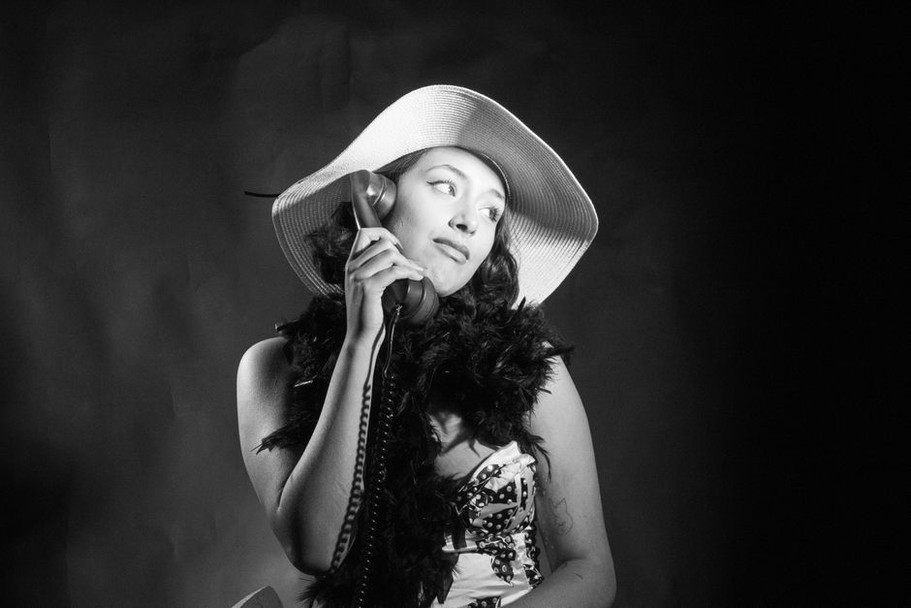
Evening dress allowed more sparkle or height, but a brilliant ornament in a studio portrait is no guide to daytime practice. Photographs can flatten textures and hide the pins doing the holding. That effortless-looking curve may rely on several discreet fastenings.
Materials and finishes: what the eye can—and cannot—tell
Surviving accessories may combine moulded plastics, metal settings, glass stones, paste or fabric. Some use smooth, polished surfaces to sharpen an outline; others catch light through openwork, engraving or rows of stones. No single material sums up the decade.
Take care with names in vintage listings. “Bakelite” is often used loosely for old-looking plastic, though the piece may be made of something else. Celluloid and other early plastics have different handling concerns, and a photograph may not be enough for a confident identification. A seller’s period label offers context, not proof. Colour, a supposed ageing smell or one visual clue cannot reliably establish an exact date or material.
- Examine the front and reverse. Look for wear where the piece was handled, how the fitting joins the ornament and signs of later repair.
- Check the working parts gently. A clip should open without strain and close evenly; a comb should have intact teeth. Do not repeatedly flex an old mechanism to test it.
- Separate style from provenance. A new comb can capture a 1930s silhouette beautifully, but that does not make it a period original.
- Consider condition before wearing. Loose stones, sharp edges, lifting decoration or brittle teeth may make careful display a better choice than regular use.
Alterations make dating trickier. An old ornament may have a replacement clasp, or a later fitting may carry an earlier decorative element. A replaced part is not automatically a fault: note what appears original, what has changed and what remains uncertain. The distinction matters when choosing between a collectible piece and one you hope to wear often.
Wearing the silhouette without dressing in costume
A contemporary nod to the 1930s need not reproduce a whole outfit. A side parting, smooth wave and modest clip give a plain jumper or tailored jacket that off-centre emphasis. A restrained comb in a low twist works with a simple dress. Neither look requires a particular hair length or texture; the accessory should support an arrangement that works for the wearer’s hair.
Consider how the proportions shift in these three arrangements:
- For a close outline: smooth the sides and place a narrow clip near one temple. Leave enough hair visible around it for its shape to register.
- For a softer nape: gather hair low and set a short comb behind the twist. A decorative top that rises only a little above the hair gives a subtle period reference.
- For a hat-led look: position the small hat first, then see whether a clip helps on the exposed side. If the hat trim already provides a strong accent, leave the clip out.
Choose a fitting for the hair it will hold. Dense teeth may grip a gathered section better than a broad, shallow comb; on a fine side wave, a light clip may stay put where a heavy ornament slides. Avoid repeated adjustments to a fragile original. Secure the hairstyle with dependable, less delicate fastenings and let the vintage piece supply the visible finish, rather than all the support.
Reading a surviving piece in context
An ornament makes more sense alongside its hairstyle and occasion. A sparkling side piece might have accompanied polished evening waves; a plain comb might have been prized for its grip as much as its looks. Neither gives us the whole story without a photograph, family account, maker’s information or other reliable provenance. Where that evidence is missing, “1930s-style” is more accurate than an unsupported claim of age.
If an inherited comb has intact teeth but a loose decorative top, set it aside before trying it in a nape roll. Photograph the front, reverse and fitting while you can see their condition clearly, and keep any detached element with the piece. A modern comb can hold the roll for now. The older one does not need to be worn to show how well its low, gently rising outline suited the decade.