
How to Choose, Wear and Care for a Velvet Hair Bow
A velvet bow can look lovely on a table and quite different in your hair. Before buying one, turn it over. The fastening tells you whether it can hold a ponytail, sit flat beside a parting or work better over an existing tie. Then look at the velvet in daylight. Its colour should shift softly as the pile catches the light; a pale patch may simply have been brushed against the nap, but a worn patch will not brush back.
Velvet gives a familiar ribbon shape unusual depth. A small black bow softens the line of a crisp shirt; a broad burgundy one adds colour to a coat and knitwear without calling for an elaborate hairstyle. The trick is finding a size and construction that suit an ordinary day, rather than saving every velvet bow for a party.
What makes a velvet bow distinctive?
Velvet is a woven fabric with a short, raised pile. The pile reflects light differently depending on its direction, so one loop may look darker than the other even when both were cut from the same cloth. That is part of its character, not necessarily a flaw. Run a clean finger lightly along the fabric: one direction usually feels smoother. The loops of a neatly made bow often have a fairly consistent nap direction, though a handmade or reworked piece need not be perfectly symmetrical.
Not every velvet bow is silk. Vintage examples may use cotton or rayon velvet, blends, or later synthetic fabrics; the pile alone rarely identifies the fibre. Some bows are made from velvet ribbon with finished edges, while others are sewn from fabric and lined or backed. Ribbon tends to make a compact, sharply defined loop. A sewn bow can have a fuller, softer outline, especially if its centre is lightly gathered.
The back matters as much as the front. A narrow ribbon bow on a metal slide sits differently from a large fabric bow stitched around a ponytail elastic. Older elastic may have lost its stretch even when the velvet remains sound. On a clip-mounted bow, check whether the attachment is securely stitched, held by a sound rivet or dependent on ageing glue. A tidy front is little use if the fastening slips or pulls at the fabric.
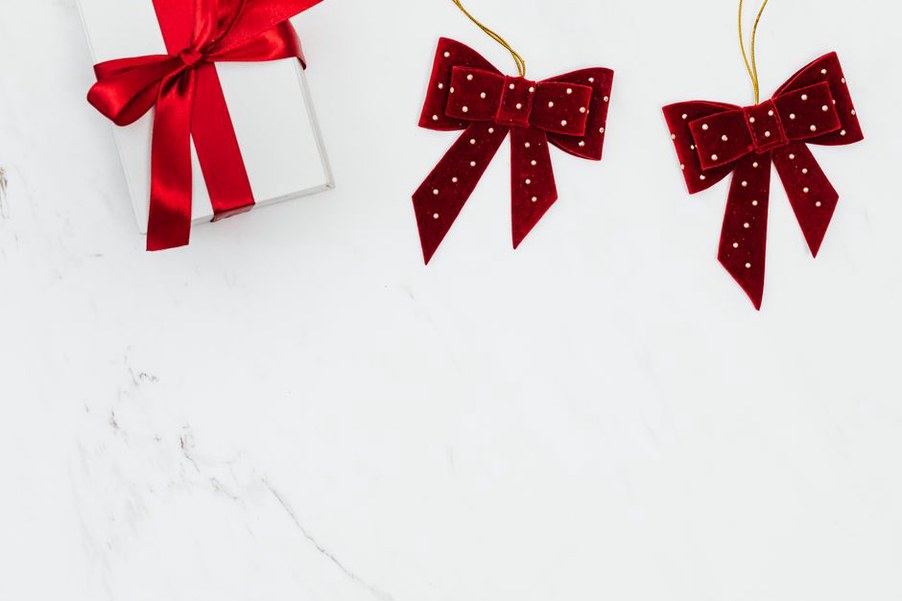
How to read a vintage-inspired shape
Hair bows have appeared throughout decades of British dress, so velvet alone cannot date a piece. An elongated, restrained ribbon bow may recall earlier twentieth-century styles; a rounded, generous bow can suggest mid-century dressing; an oversized silhouette may evoke later decades. These are visual references, not reliable dates. Look at the width, fastening, stitching and label, and consider whether the bow might have been altered, before calling it vintage.
Shape changes the mood of an outfit, too. Short tails and narrow loops make a small accent. Long tails draw the eye down the hair and can look elegant against a plain jumper. A stiff, even bow feels more graphic; relaxed loops look less formal. If you are buying it to wear rather than collect, hold it at the height where you intend to place it. A bow that seems modest in your hand can look striking above a low bun.
Choose the fastening for the job
- Barrette or slide: useful for gathering a small section of hair or covering the base of a ponytail already secured with a separate tie. Check that the metal closes cleanly without trapping velvet in its hinge.
- Comb-backed bow: best where the teeth have enough hair or an existing style to anchor into. Inspect the comb for missing or rough teeth before wearing it.
- Elastic-backed bow: convenient for a ponytail, provided the elastic still stretches and recovers. Do not rely on a brittle vintage elastic to hold the whole style.
- Ribbon tie: the most adjustable option. Tie it around an existing hair tie so the old ribbon provides decoration rather than tension.
A comfortable bow stays put without repeated tightening or repositioning. Weight makes a difference: dense velvet, a lined centre and a large metal fitting can make an oversized bow heavier than it looks. If it tilts, try placing it lower or giving it a firmer foundation rather than pulling it tighter.
Wearing velvet without making it feel precious
For everyday wear, try a contrast in texture. Velvet has room to be noticed against a cotton shirt, denim jacket, wool coat or plain jersey top. With a velvet dress or another richly textured garment, a smaller bow may be enough. Black and deep navy are subtle at a distance but catch the light close up; rust, bottle green and wine bring colour to neutral clothes. There is no need to match your handbag or shoes.
Placement can change the effect without changing the bow. Set a small one at the end of a plait for a quiet detail, or place it above a low ponytail so the tails fall over a collar. A side slide can work with a short cut if its clasp can hold a modest section of hair. For an oversized bow, a simple outfit keeps its outline clear. You need not recreate the hairstyle of the decade it resembles.
For work, try a narrow dark velvet bow over a separately fastened low ponytail with a collared shirt and trousers. At the weekend, a wider, softer bow gives a plain knit and jeans a deliberate finish. If you favour more sculptural headwear, our guide to the vintage rose crown turban headband considers a different accessory through a similar question: how its proportions work with modern clothes.
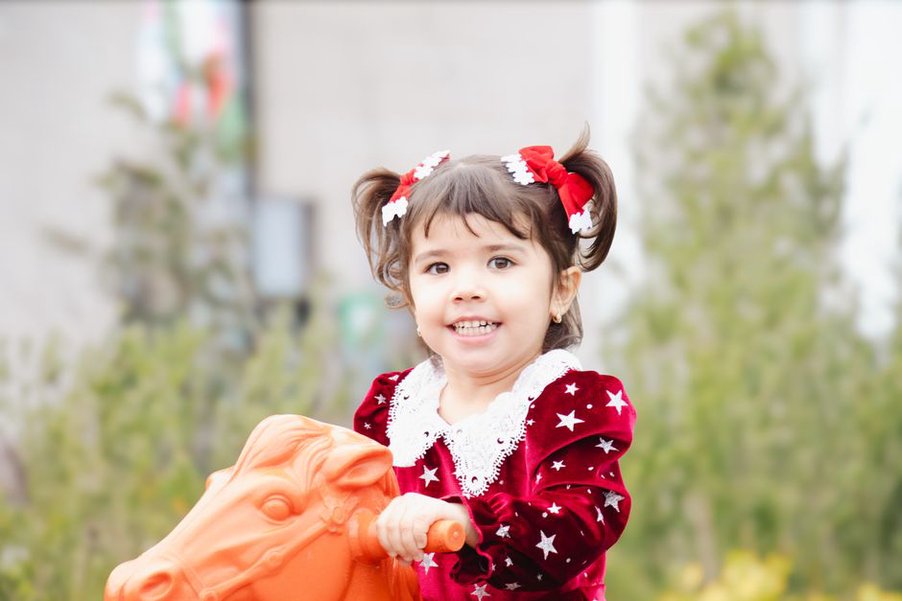
Buying with a closer look
A genuinely old bow need not look untouched. Slight flattening where fingers have tied the centre or where a clip meets the fabric is common. More concerning are splits along a fold, loose stitching at a stress point, a rusting fastening that touches the velvet, or a backing that has become stiff and brittle. Inspect dark velvet in good light: shadows can hide damage, while the natural nap can make sound areas look uneven in photographs.
If you are buying remotely, ask to see the reverse. A photograph with the fastening open shows how it works and whether the teeth or spring are intact. Measurements should give the bow’s width and tail length, not just the size of its clip. If age matters to you, look for a description that separates known facts from guesses. A seller may reasonably call a bow vintage-style when its date is uncertain; velvet alone is not proof of age.
Think about repairs before committing. Restitching a loose centre wrap may be straightforward for someone experienced with delicate textiles. Replacing a failed glued fitting can be trickier if removing it risks pulling away the pile. A cheap bow that needs structural work may not be the best everyday find. An unlabelled bow with sound fabric and a reliable fastening, on the other hand, can be satisfying even if its decade remains a mystery.
Keeping the pile and shape intact
Pressure, moisture and rubbing can mark velvet. Where possible, pick up a bow by its centre or backing rather than pinching the face of the loops. If the pile looks flattened, start with a gentle pass from a clean, soft clothes brush in the direction it lies. Do not press a hot iron directly onto velvet: pressure can leave shiny, flattened areas that are difficult to reverse.
For a small fresh mark, first check whether it is dirt or merely a change in nap direction. Brush very lightly, then look again in daylight. If the bow is stained, its dye is unstable, or it combines fabric with old glue and metal, washing it at home is risky. Water can mark the pile, weaken attachments or cause colour to bleed. For a valuable or particularly fragile piece, seek advice from a textile conservator or a cleaner familiar with velvet.
Store the bow where heavier accessories cannot crush its loops. A shallow box with acid-free tissue supporting them is better than a crowded drawer; keep the fastening from pressing into nearby velvet. If rain dampens the bow, let it dry naturally before putting it away, away from a radiator.
For a first outing, secure a low ponytail with an ordinary hair tie, then fasten the velvet bow over it. The tie takes the strain and the bow keeps its shape. After a short walk, check whether the clip is still level against your collar.