
How to Wear Store P88 Coral Sunburst Earrings in Your Hair
At a car boot sale, you spot a pair of Store P88 coral sunburst earrings. They're dusty, the gold plating is slightly worn, but the coral resin still glows with that soft salmon-to-terracotta hue. These mid-century British novelty pieces were never intended for hair, yet their lightweight clip-on mechanism, bold sunburst silhouette, and warm coral colour make them ideal for repurposing as vintage hair ornaments. They bridge 1960s costume jewellery and modern styling, letting you accessorise creatively while respecting the original craftsmanship.
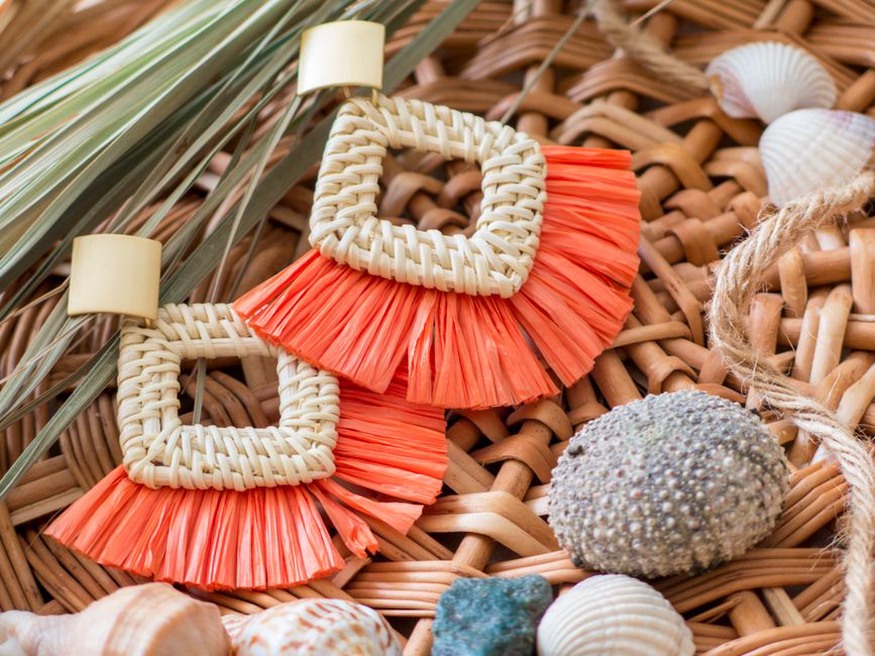
The Design DNA of the Coral Sun Burst
The Store P88 model follows the classic sunburst motif that enjoyed a revival across British jewellery and accessories in the 1960s. The central dome is crafted from a resin or plastic composite tinted in a soft coral that ranges from salmon to a deeper terracotta, depending on the batch. Surrounding it, a circular array of gold‑tone metal rays — either stamped or cast — radiate outward, often finished with a subtle satin shine rather than a high polish. The clip‑on backing is a compact spring‑loaded mechanism typical of the era, designed to grip the earlobe without piercing. That same mechanism, when positioned over a lock of hair near the temple or at the nape, secures the earring firmly without damaging fine strands.
Materials and Making
Most examples of Store P88 earrings were produced in Birmingham’s jewellery quarter, where small workshops specialised in affordable costume pieces. The coral resin is a cellulose acetate or a phenolic plastic, both common in mid‑century accessory making. These materials are lightweight, which is crucial when wearing them as hair clips — they will not tug or slip.
The metal rays are often brass or a copper alloy with a thin layer of gold plating. Over decades, the plating may wear, revealing a warm bronze undertone that many collectors actually prefer for its vintage character. The springs inside the clip occasionally lose tension; a gentle squeeze with needle‑nose pliers can restore their grip without breaking the metal.
Why These Earrings Belong in Your Hair
Repurposing earrings as hair accessories is not new, but the Store P88 model offers specific advantages. The sunburst shape echoes the large decorative hair pins and combs that were popular in the 1960s, but with a lighter weight. A pair placed symmetrically above the ears creates a striking frame for the face, while a single earring clipped near a low bun adds a sculptural accent. The coral colour complements warm brunette and blonde tones, and contrasts beautifully with dark hair. Because the clip is small, it works well for half-up styles or as a secret accent peeking through loose waves.
Styling for Modern Wardrobes
To integrate these sun bursts into a contemporary outfit, consider a simple silk slip dress in navy or olive — the coral becomes a focal point. Alternatively, pair them with a crisp white blouse and high‑waisted trousers for a look that nods to the 1960s without being costume. For colder months, wearing them in the hair against a cashmere roll‑neck in cream or charcoal keeps the palette refined.
- Casual half‑up: Gather the top half of your hair and secure with a clear elastic, then clip one earring just above the elastic on each side.
- Side sweep: Sweep all hair to one side, tuck behind the ear, and clip the sun burst at the temple to hold the sweep in place.
- Low bun accent: Twist hair into a low messy bun, leave a thin strand loose, and clip the earring onto the bun itself as a decorative pin.
- Double dose: Wear both earrings on the same side for a maximalist stack — one near the crown and another lower near the nape.
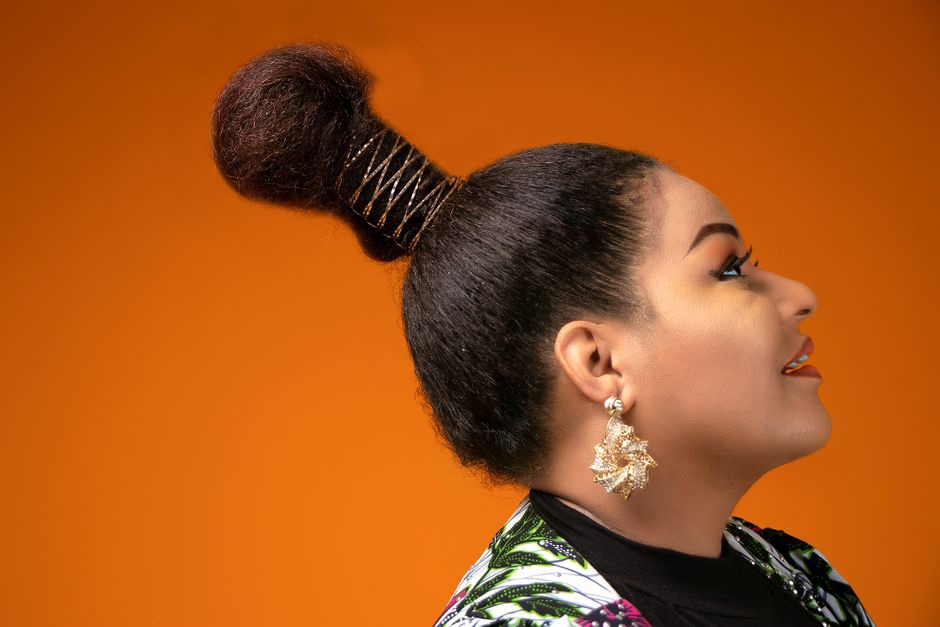
Identifying Authentic Store P88 Pieces
As with many vintage accessory codes, the “Store P88” designation was used by a specific wholesale supplier to the British market – possibly a small firm that produced short runs for department stores. The earrings do not carry a brand name; instead, the code is often stamped on the back of the clip mechanism in tiny serif letters. Look also for a “Made in England” mark. Genuine examples have a slightly domed resin centre with hand‑painted or heat‑pressed coral colour – not a uniform gloss.
The rays should show subtle variation in thickness, evidence of the casting moulds. Beware of later reproductions that appear too perfect or use heavy nickel clips; those lack the gentle patina of mid‑century manufacture.
Caring for Your Vintage Find
The resin is the most delicate part. Keep the earrings away from direct sunlight for long periods — ultraviolet light can fade the coral to a pale peach. Store them in a soft pouch or a small box with dividers, separate from metal pieces that might scratch the centre.
To clean, use a barely damp cotton bud to remove dust from the crevices between rays, then dry immediately with a microfiber cloth. Do not immerse in water or use jewellery cleaning solutions, as they may attack the resin. The metal rays can be polished gently with a soft cloth intended for gold, but avoid the resin centre completely.
Before you clip them in, check the spring tension. If it's loose, a gentle squeeze with needle‑nose pliers will restore the grip. Then choose your style—half-up, side sweep, or low bun—and let that Birmingham workshop craftsmanship shine. Much like the mystery surrounding the Store P309 vintage jade hoop earrings, these coral sun bursts have a provenance that collectors love to unravel. Their story is written in the specific shade of coral, the slight oxidation of the metal, and the feel of the clip spring. When you wear them in your hair, you are not just accessorising — you are continuing a narrative that began in a Birmingham workshop half a century ago. Each day they stay attached brings a bit of that history into the present.