
The Oversized Gingham Scrunchie: A Vintage Underdog That Deserves a Second Look
The store P633 Maison Archives oversized gingham scrunchie – the name itself is a quiet wink. “Oversized” is accurate: this is not a discreet hair tie but a generous handful of cotton, a soft statement. The “underpaid” reference (often a typo in vintage listings that collectors have affectionately adopted) hints at its undervalued status. Yet anyone who has found one in a charity shop or a dusty online archive knows its worth far exceeds the price tag. Made from crisp gingham – a fabric with deep British roots – this scrunchie belongs to a lineage of hair accessories that balance practicality with charm.
Gingham’s British Story
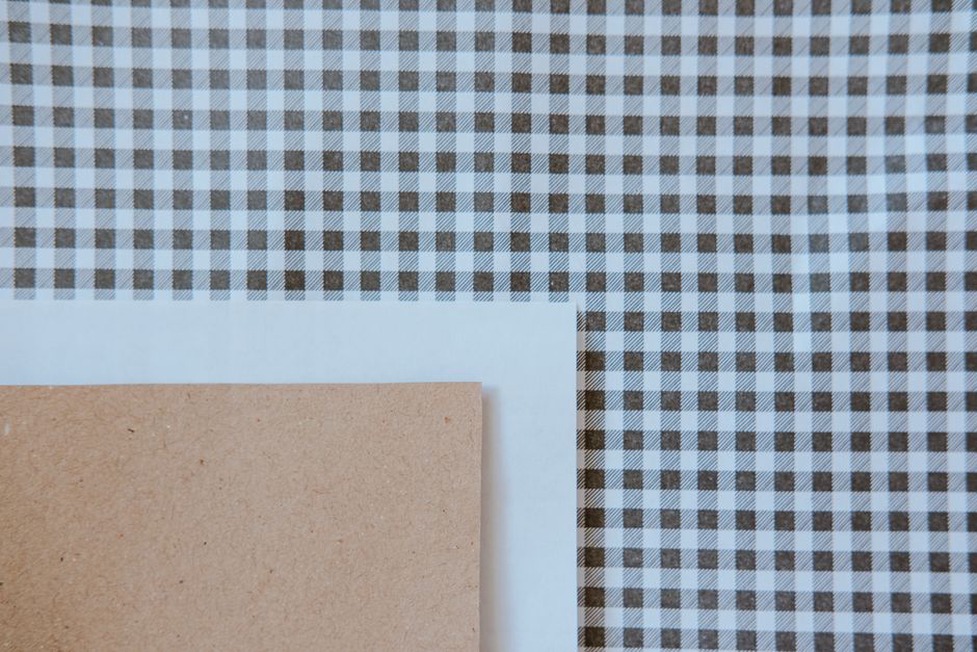
Gingham – a plain-weave cotton with a checked pattern – has been a staple of British wardrobes since the 18th century. Originally woven with dyed yarns in stripes (the word comes from Malay genggang, meaning striped), it was adopted by English mills, who popularised the balanced check we know today. In fashion, gingham became synonymous with summer dresses, school uniforms, and the 1950s “country casual” look. The 1960s saw it in mod shifts; the 1990s revived it in grunge and Babydoll styles. That decade also gave us the scrunchie – a soft fabric-covered elastic ring that replaced harsh rubber bands. The Maison Archives oversized version marries these two heritage elements: the timeless cheek of gingham and the gentle utility of the scrunchie.
What Makes This Scrunchie Special?
The “oversized” descriptor means the gathered fabric diameter is larger than standard – often 12–15 cm when relaxed. This creates a fuller, more sculptural look when worn, especially in a high ponytail or a loose bun. The tight, uniform gingham weave gives structure; the cotton breathes, so it does not slip on fine or oily hair. Inside, a thick, high-quality elastic ensures it holds without pulling. Many vintage examples show a white or cream lining to reduce stretch marks on the outer fabric – a thoughtful detail you rarely find in modern fast-fashion versions.
Colour and Pattern Variations
Maison Archives produced this scrunchie in several gingham colours. The most sought-after are:
- Classic red and white – a picnic-kitsch favourite that pairs with denim and linen.
- Blue and white (often called “school-girl gingham”) – more subdued, elegant for office wear.
- Yellow and white – rare and instantly cheerful, perfect for summer edits.
- Black and white mini-check – a versatile neutral that reads as a textured solid from a distance.
Each colour run followed the same oversized cut, but the elastic tension can vary slightly between batches – a point to check when buying second-hand.
Styling the Oversized Gingham Scrunchie Today
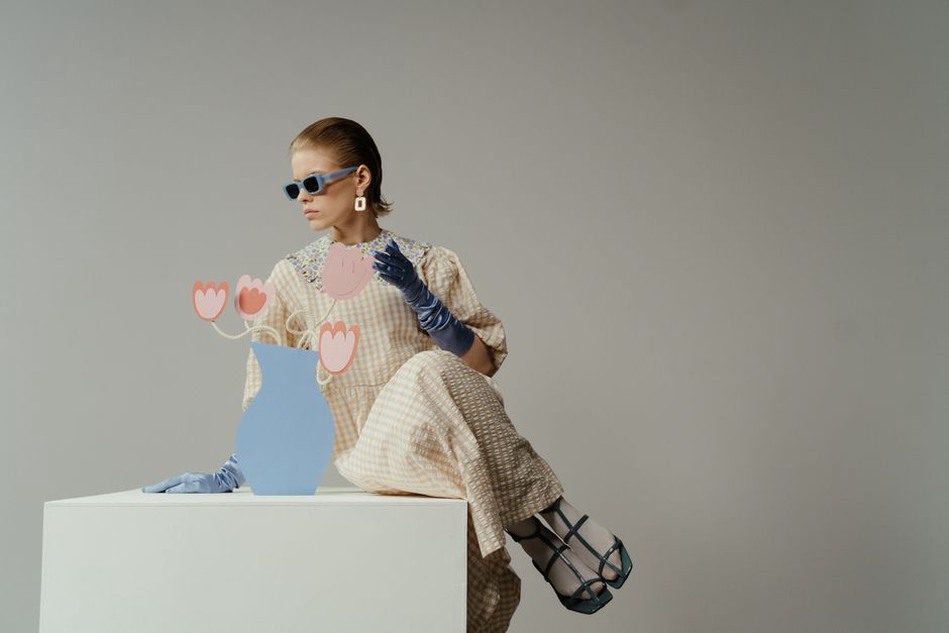
What makes this scrunchie so versatile is how it fits into different eras – from 1990s grunge to modern tailored looks. A red scrunchie with a flannel shirt and ripped jeans nails the grunge vibe; the blue version with a tailored blazer and cropped trousers works for a polished outfit. For a contemporary twist, try these approaches:
- The high puff: Gather hair into a high ponytail, then wrap the scrunchie twice for a defined puff. Let the gingham be the focal point.
- The wrapped bun: Use the scrunchie to secure a messy bun, then tuck the excess fabric under for a flower-like shape.
- The bracelet effect: Slip the scrunchie onto your wrist when not in use – the oversized gingham becomes an arm cuff that echoes a 1980s preppy vibe.
- Layered with other vintage clips: For a coordinated look, combine the scrunchie with a small barrette at the side. The P323 Bettie Lurex Triangle Clip Barrette, also from the Maison Archives family (see our dedicated guide The P323 Bettie Lurex Triangle Clip Barrette: A Collector's Guide), adds a metallic contrast to the soft cotton.
Where to Find and How to Care for It
True vintage Maison Archives scrunchies appear in small independent vintage boutiques across the UK – look in shop windows in Brighton, Bristol, or Edinburgh. Online, they surface on eBay and Depop under tags like “gingham scrunchie oversized” or “Maison Archives 1990s”. Expect to pay £8–25 depending on condition. Rarer colours (yellow, pink) command higher prices, but the underpaid reputation means you can often find bargains if you check regularly.
Care Tips
Gingham cotton is durable, but the elastic inside is vulnerable to heat and friction. I recommend:
- Hand wash only in cool water with a mild detergent. Gently squeeze – never wring – the fabric.
- Reshape while damp and lay flat to dry. Never tumble dry; the elastic will degrade.
- Iron on a low setting if the gingham is wrinkled – but iron only the fabric, not the elastic gathering.
- Store flat in a fabric pouch or a drawer, not stretched over a hook. This prevents the elastic from fatiguing unevenly.
If the elastic does lose its spring after years of use, you can replace it: unpick a small seam in the fabric casing, thread a new elastic cord through, and re-stitch. This is a simple mending skill that gives a beloved scrunchie a second life.
Why “Underpaid” Matters
The occasional listing for an “underpaid” scrunchie is a typo that collectors have come to treasure. It reminds us that vintage fashion is full of small anomalies – misspelled labels, weird product codes, accidental discounts – that add character. The store P633 Maison Archives oversized gingham scrunchie might have been underpaid in monetary terms at the time of its manufacture, but its design was generous. That gap between low cost and high quality is exactly what makes vintage hunting so rewarding: you pay for the story as much as the object.
I once found a yellow gingham scrunchie that had been stored stretched on a hook for years – the elastic had gone slack, but the cotton was still pristine. A quick replacement of the elastic gave it a second life. That’s the thing about these scrunchies: the fabric outlasts the elastic, so with a little care, they can stay in rotation for decades. If you come across one with a limp elastic, don’t pass it by – it might just need a simple fix.