
The Off-White Crystal Cactus Hair Barrette: A Collector’s Guide
The Store P620 premium crystal cactus hair barrette in off-white is one of those rare accessories that manages to be both whimsical and refined. Unlike the more common clear or pale gold versions, this off-white variant—with its soft, creamy backdrop and faceted crystal cactus appliqué—feels almost architectural against the hair. It was likely produced in the late 1980s or early 1990s, a period when British hair accessory designers were experimenting with naturalistic motifs rendered in high-shine materials. The cactus, a surprising choice for a British brand, hints at a fascination with desert chic and the era’s love for ironic, sculptural forms.
Design and Inspiration: Why a Cactus?
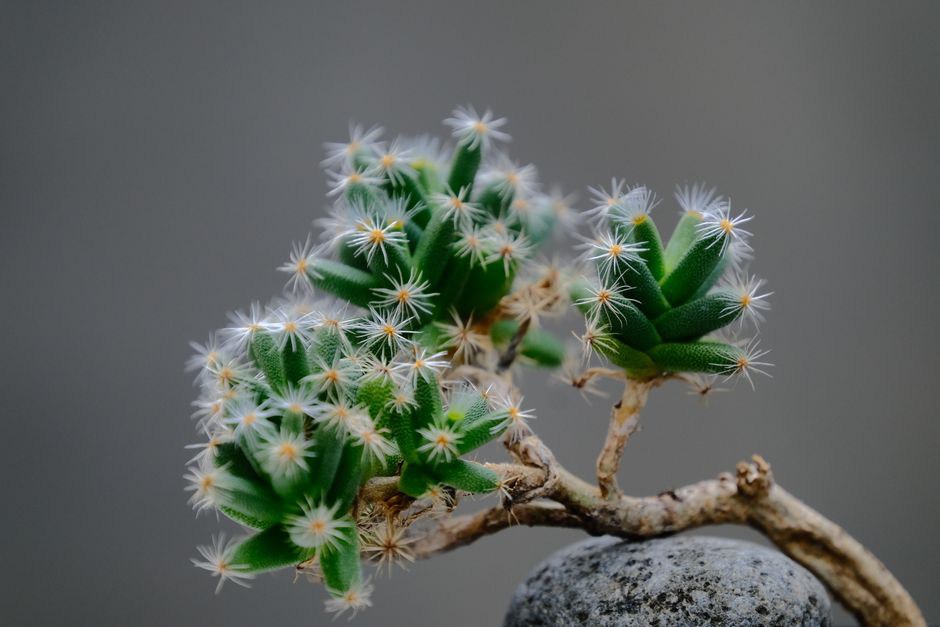
At first glance, a cactus might seem an unlikely muse for a British hair accessory. But the 1980s and 1990s saw a surge of interest in Southwestern and desert-inspired aesthetics, filtered through London’s prism of irony and elegance. Designers at Maison Archives—the likely maker of the P620—often looked to organic shapes that could be translated into rigid, glittering forms. The cactus silhouette, with its clean vertical lines and branching arms, works beautifully as a barrette because it follows the natural direction of hair while offering a striking contrast to soft waves or sleek buns. The off-white base amplifies the effect: it reads as bone, chalk, or bleached wood, grounding the sparkle of the crystals without competing with them.
Collectors note that the off-white shade is far less common than the clear or black versions. The precise hue sits somewhere between cream and very pale beige, with no yellow undertones—a neutral that flatters both brunettes and blondes. The cactus itself is formed from a single piece of metal, set with tiny round and navette-cut clear crystals that catch light from every angle. The contrast between the matte-like finish of the enamel and the brilliant crystal pavé is what gives the barrette its quiet luxury.
Materials and Craftsmanship
To appreciate the P620 properly, you need to look closely at how it's made.
The base is a zinc alloy casting, lightweight yet rigid, coated in a thick layer of off-white enamel. This isn't a thin paint—it has depth and a slight gloss, applied in multiple layers and kiln-fired to prevent chipping. The crystals are set in individual claw prongs, a technique that requires skilled handwork. Each stone is held by three tiny metal claws, which are visible on close inspection and give the barrette an heirloom feel. The clip mechanism is a spring-loaded hinge with a curved metal tongue, typical of the late 1980s, designed to hold firmly without pulling hair.
Compare the P620 to other barrettes of its era, such as the Bettie Lurex Triangle Clip Barrette: A Mid-Century Hair Accessory Worth Collecting, and you see different approaches to silhouette and sparkle. Where the Bettie barrette relies on geometric boldness and metallic thread, the P620 achieves impact through organic form and crystal density. Both share a commitment to quality construction that modern fast-fashion accessories often lack.
Styling the Off-White Crystal Cactus Barrette
The off-white colour makes this barrette surprisingly versatile. It pairs well with pastel knits, camel coats, and denim jackets—the cactus motif adds a playful edge to otherwise simple outfits. For evening, wear it as a side clip on a low chignon, letting the crystals catch candlelight. It also works well as a half-up clip, securing a section of hair behind the ear, where the cactus shape can be fully appreciated. Avoid pairing it with other heavily embellished hair accessories—the P620 stands alone.
Care and Preservation
Enamel and crystal need gentle handling. Clean the P620 with a soft, dry cloth or a barely dampened microfibre cloth. Never submerge it in water—moisture can seep under the enamel or rust the hinge. Store it in a fabric-lined jewellery pouch or a compartmented box, away from direct sunlight, which can yellow the off-white enamel over decades. If the clip feels stiff, apply a tiny drop of sewing machine oil to the hinge pivot—nothing more. Polish the crystals with a dry cotton bud; avoid alcohol or abrasive cleaners.
Identifying Authenticity and Condition
Genuine P620 barrettes have a small embossed mark on the inside of the clip—usually “MAISON ARCHIVES” or “M.A.” in a rectangular cartouche. The off-white colour should be consistent across the entire front, without brush strokes or bubbles.
Check the enamel edges for wear: minor rubbing is acceptable on a vintage piece, but cracks or chips significantly reduce value. All crystals should be present; missing stones are difficult to replace because the claw settings are custom-shaped for each stone size. Check the spring tension—a good barrette snaps closed with a crisp click and holds firmly on a strand of hair.
A Final Note on the Off-White Variant
Among collectors, the off-white P620 is prized because it bridges two eras: the maximalist sparkle of the 1980s and the minimalist neutral palette of the 1990s. It doesn't scream for attention, yet it catches the eye precisely because of its restraint. When you find one in excellent condition, with all crystals intact and the enamel unblemished, you've acquired a small sculpture that can be worn daily or displayed as decorative art. The cactus thrives in dry conditions—so store it well, and it will last another thirty years.