
The p552 Ivy Finola: A Collector’s Guide to the Vintage Celluloid Hairclip
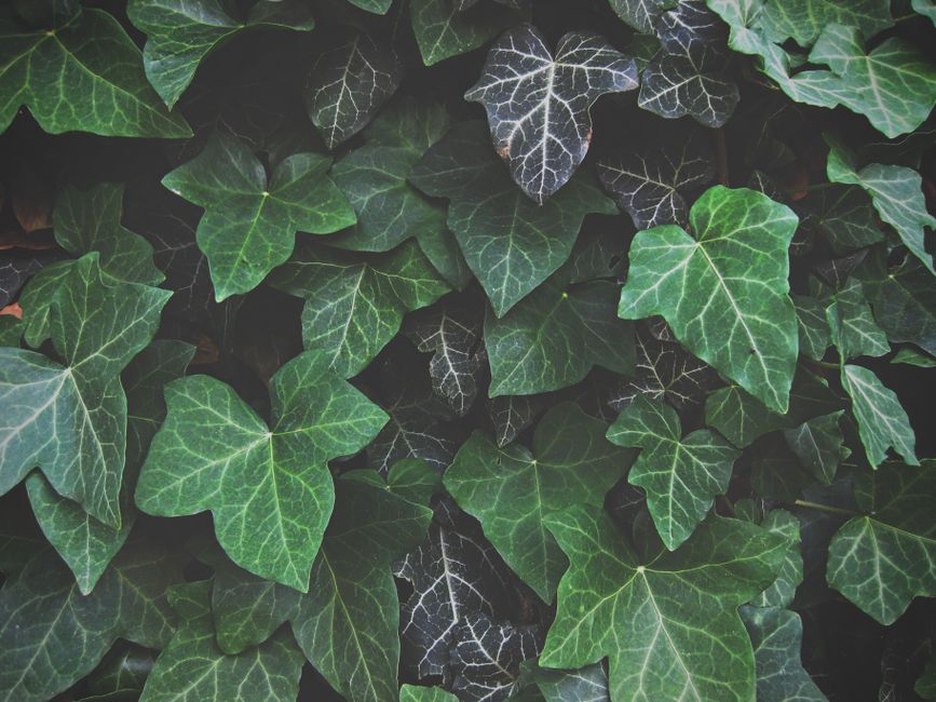
The p552 Ivy Finola shows up only now and then in auction catalogues and private collections, but when it does, it's unmistakable. Unlike the simpler Finola clips that rely on shape alone, this one has an ivy leaf pattern pressed into the celluloid surface—a detail that turns a functional hair clip into a tiny botanical study. The leaves aren't stamped; they're moulded, so each clip has a slight three-dimensional feel when you hold it in natural light. Collectors who've handled both the standard Finola and the p552 Ivy Finola say the ivy version is a bit heavier, probably because the mould needed a thicker blank to capture the leaf veins without tearing the material as it cooled.
The clip comes from a small production run in the late 1950s, made by a workshop in the English Midlands that's long since closed. That workshop specialised in small-batch accessories for local department stores, and the Ivy Finola never got much advertising. Most surviving examples turn up at estate sales in the Home Counties, often tucked into vintage vanity cases alongside powder compacts and lipstick holders. The ivy motif wasn't random: in Victorian floriography, ivy stands for fidelity and friendship, and mid-century designers liked reviving those symbols as a quiet contrast to the bold geometric shapes of the time.
Materials and construction
The p552 Ivy Finola is made from a tortoiseshell-coloured celluloid, a material that was everywhere in British hair accessories until the 1960s. Celluloid made intricate moulding cheap, but it needed careful temperature control: too hot and the surface blistered, too cold and the pattern came out shallow. The Ivy Finola shows consistent depth across the leaf veins, which points to a skilled hand at the press. The clip measures about 7.5 cm long and 2.5 cm at its widest point, with a spring-loaded metal hinge that still works on most surviving examples. The hinge has a tiny ‘M’ stamped on it—probably the metal supplier's mark, not the workshop's—and the back of the clip has no maker's name, just the code ‘p552’ engraved in a fine serif typeface.
Unlike many mass-produced hair clips from that era, the Ivy Finola was hand-finished. After moulding, each clip got trimmed of excess celluloid flash, then lightly buffed with pumice to soften the edges. That handwork is why no two examples are exactly alike: the ivy leaves might be off by a millimetre or two, and the tortoiseshell colour ranges from deep amber to a lighter caramel. Collectors prize that variability—it confirms the piece is authentic against later reproductions.
Styling the Ivy Finola with a modern wardrobe
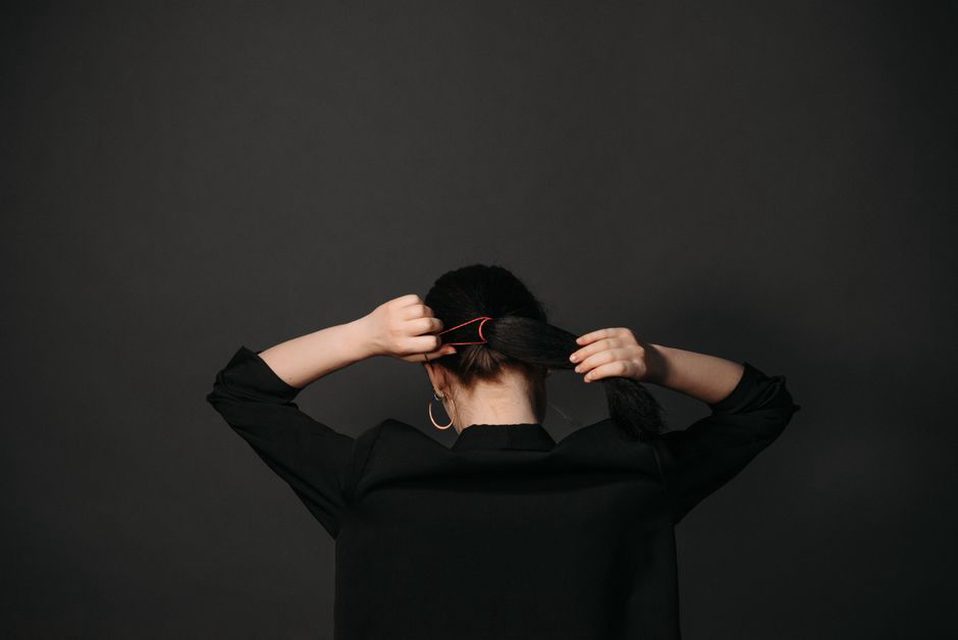
The ivy motif works well with understated, nature-inspired outfits. A simple way to wear it is to pull your hair into a low side-swept ponytail and clip the Ivy Finola just above the nape of the neck. The tortoiseshell tones go nicely with warm-toned knitwear, camel coats, and olive-green blouses. For a more deliberate vintage look, pair the clip with a silk scarf tied in a loose bow—the ivy leaves echo the organic patterns you see in 1950s Liberty prints. The clip also works in half-up hairstyles, especially on medium-length hair that isn't too layered, because the spring hinge grips firmly without slipping.
Because the ivy design is subtle, it doesn't fight with statement earrings or a bold lip. The clip serves as a quiet anchor for the rest of your outfit. If you're going to a daytime event like a garden party or a museum opening, the Ivy Finola adds a layer of historical texture without feeling like a costume. For collectors who like layering accessories, you can pair it with a plain velvet scrunchie—the contrast between glossy celluloid and matte fabric creates a nice tension. For more ideas on combining vintage hair accessories, the Sukie Barrette: A Collector's Guide to Maison Archives' Store P261 offers additional pairing suggestions for mid-century clips.
Care and storage for long‑term preservation
Celluloid is delicate. It can get brittle with age, especially if it's exposed to direct sunlight or high humidity. Store the p552 Ivy Finola away from windows and radiators. A soft cloth pouch works well, but if you prefer a box, line it with acid-free tissue paper. Never keep celluloid clips in airtight plastic containers—the material needs to breathe, and trapped moisture can cause a white bloom on the surface called ‘celluloid sickness’. If you notice a faint vinegar-like smell, that's a sign of early degradation; move the clip to a well-ventilated area right away.
Cleaning guidelines
- Wipe the clip with a dry, lint-free cloth after each use to remove hair oils and product residue.
- For deeper cleaning, dampen a cotton bud with distilled water and gently run it along the leaf veins. Don't soak the clip or use alcohol—it can dissolve the celluloid finish.
- Avoid ultrasonic cleaners—the vibration can fracture the metal hinge.
- If the hinge gets stiff, apply a single drop of sewing machine oil to the pivot point, then open and close the clip several times to spread the lubricant.
Collector’s notes and rarity
The p552 Ivy Finola appears in online sales roughly once every two years, and complete examples with both leaves intact and a working hinge sell for between £40 and £70, depending on colour depth. Clips with a strong amber tone are more sought after than pale caramel ones. The engraved ‘p552’ is the most reliable sign of authenticity; later reproductions either skip this code or use a laser-etched version that looks too clean. If you spot an Ivy Finola at a car boot sale or antiques fair, check the hinge carefully—many original clips have a slight patina of tarnish on the metal, which is normal and can be gently polished with a jeweller's cloth.
One more practical note for new collectors: when you get the clip, open and close it a dozen times while it's still at room temperature. That helps the hinge settle after years of inactivity and lets you feel whether the spring tension is even. A clip that snaps shut with a crisp click is a sign of good preservation; a sluggish response might mean internal rust or a bent prong. If that happens, a professional watchmaker or a jeweller experienced with antique clasps can often realign the mechanism without damaging the celluloid.