
The p508 Romaine Hairclip: A Quiet Mid-Century Treasure
The catalogue code 'store p508 romaine hairclip' appears in faded ledgers and typed inventory lists from a handful of British accessory houses that operated between the late 1940s and the early 1960s.
For collectors, that string of characters points to a small but unmistakable barrette: a sculpted romaine leaf, its veins traced in fine metalwork, with a spring-action clip mounted on the reverse. Unlike the more common floral or geometric motifs of the period, the romaine leaf—curled, slightly asymmetrical, with a pronounced central rib—offered a subtle nod to the natural world without veering into overt botanical realism. That restrained elegance makes the p508 a quiet treasure for collectors of mid-century hair accessories.
The Design of the Romaine Hairclip
The romaine leaf isn't a faithful copy of a lettuce leaf. It's an idealized form, elongated and gently cupped, with a surface that catches light as if it's moving. Most examples of the p508 measure about 4.5 cm in length and 2 cm at the widest point—small enough to sit discreetly on a side part or at the nape of the neck, yet substantial enough to anchor a few strands of hair. The clip mechanism is a simple alligator spring, typical of British barrettes from the 1950s, but the quality of the metalwork sets it apart. The leaf's veins are engraved or stamped, then often filled with a thin wash of translucent enamel in shades of olive, sage, or pale amber.
Materials and Craftsmanship
Manufacturers of the p508 generally used a base of brass or nickel silver, which was then gilded or silver-plated. The enamel, where present, was applied by hand in small batches, which explains the slight variations in colour and opacity between individual clips. Some examples show no enamel at all, relying solely on the play of light on polished metal to define the leaf's contours. The reverse of the clip is stamped with the manufacturer's mark—often a tiny crown or a set of initials—and, in many cases, the code 'p508' itself. These markings help collectors date the piece and confirm its British origin.
- Base metal: Brass or nickel silver, rarely sterling silver.
- Finish: Gold or silver plate; occasionally matte.
- Enamel: Translucent hand-poured, usually green or amber tones.
- Clip type: Alligator spring with a tension bar, typical of 1950s British barrettes.
- Hallmarks: Manufacturer's stamp and catalogue code on the reverse.
A Brief History of the p508
You won't find the romaine leaf motif in mainstream British fashion magazines of the 1950s, which favoured bows, flowers, and geometric shapes. Instead, it seems to have been produced for a more specialised market—perhaps a small atelier or a regional department store with a reputation for unusual accessories. The p508 code likely refers to a stock number used by a single manufacturer or importer. Surviving examples are scarce, and most turn up in antique fairs in the Home Counties or in estate sales from the Midlands, suggesting a limited production run. The clip's design shares a certain sensibility with the organic forms of the Arts and Crafts movement, but its construction is firmly mid-century: efficient, lightweight, and designed for daily wear.
For those who appreciate the delicate scale of the Romaine clip, the similarly petite p468 Mini Daisy Hairclip offers a floral counterpart that dates from the same era, though its daisy motif is more overtly decorative.
Styling the Romaine Hairclip Today
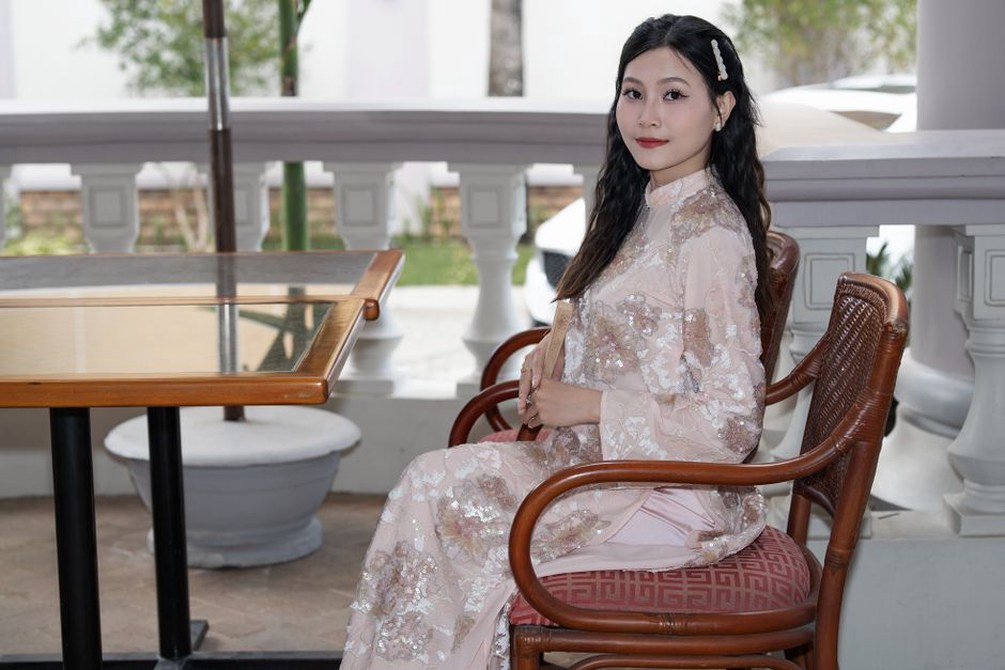
The p508's modest size and muted colouring make it remarkably versatile. It works well as an accent in a low chignon or twisted side bun, where the leaf shape peeks out from the hair. It can also be used to secure a small section of hair at the temple, allowing the clip to sit almost like a brooch. Because the romaine leaf is not a loud pattern, it pairs naturally with tweeds, wool knits, and crisp cotton shirts—the kind of wardrobe staples that define understated British style. For a more contemporary look, try wearing the clip in a half-up style with the rest of the hair loose and slightly waved; the vintage metal catches the light without competing with modern textures.
Caring for Your Vintage Find
If you come across a p508 romaine hairclip—whether at a flea market, an online auction, or a vintage fair—a few simple steps will help preserve it for years of wear.
- Check the spring mechanism. Gently open and close the clip a few times. If the tension feels weak or the clip does not close fully, a jeweller can often replace the spring without damaging the design.
- Clean with care. Use a soft, dry cloth to remove surface dust. For stubborn grime, dampen a cotton bud with a drop of mild soap and water, then wipe the metal only—avoid getting moisture near the enamel or the spring hinge.
- Polish sparingly. If the metal has tarnished, a non-abrasive silver or brass polish can be applied to the back and edges, but keep it away from any enamel inlay. Buff gently with a microfibre cloth.
- Store separately. Wrap the clip in acid-free tissue paper or keep it in a small fabric pouch. Do not let it rub against other metal accessories, as scratches are difficult to remove from plated surfaces.
- Wear occasionally. Vintage hairclips are durable, but the enamel can chip if dropped. Enjoy the clip as part of your rotation rather than as a daily staple.
A final note on authenticity: because the p508 code is not widely known, reproductions are rare. However, any clip that feels too heavy, has a poorly aligned spring, or uses bright modern enamel is likely a later copy. Trust the weight and the patina of the metal—these are the hallmarks of a genuine mid-century piece.