
The Store P446 Reed Basket: A Vintage Summer Bag for Hair Accessory Collectors
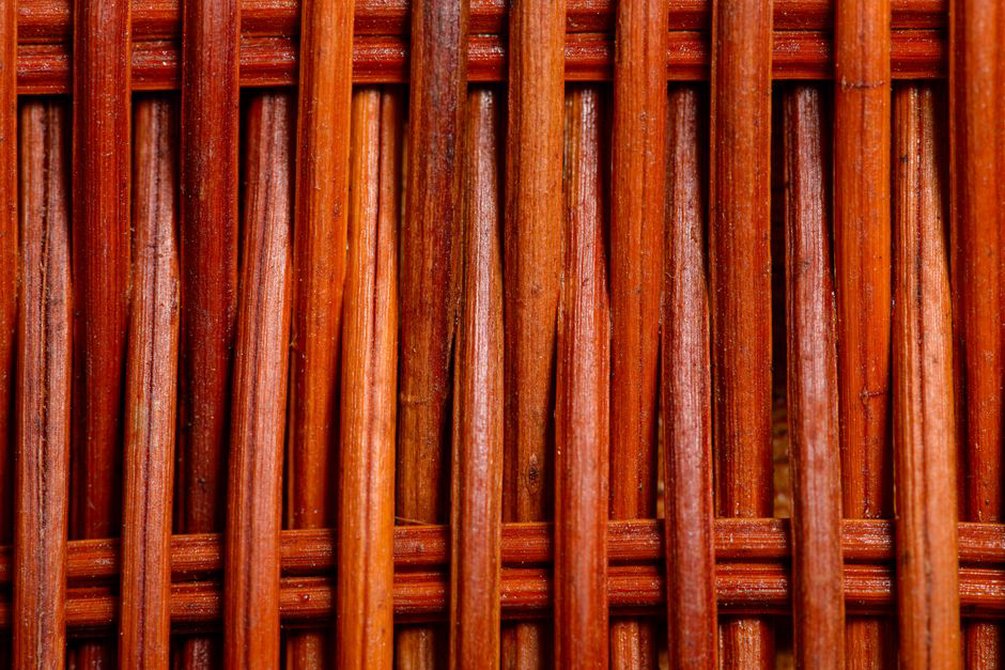
The catalogue code P446 appears on vintage reed and wicker bags from a specific mid-century British manufacturer—most likely a small workshop in Somerset or the New Forest, where basket weaving was a cottage industry well into the 1960s. These bags were produced in limited runs, often for independent department stores in market towns. The P446 is characterised by a tightly woven reed body, a rounded or slightly tapered base, and a sturdy wooden or bamboo handle. Unlike mass-produced plastic handbags of the same era, each P446 carries the subtle irregularities of handwork: a slightly uneven weave here, a darker reed strand there. Those marks are not flaws; they are the fingerprints of the maker.
The term “reed basket” is sometimes used interchangeably with “wicker bag,” but there is a distinction worth knowing. Wicker refers to the weaving technique, while reed is the specific plant material—a natural, hollow-stemmed grass that grows in wetlands. Reed is lighter than willow and takes a finer finish, which is why the P446 feels almost weightless even when fully lined. If you run your fingers along the interior, you will feel a smooth cotton or linen lining, often in a soft cream or pale blue, stitched by hand. That lining was originally intended to protect delicate fabrics from snagging, but for a collector of hair accessories, it serves an even better purpose: it provides a gentle surface that will not catch on the prongs of a vintage French barrette or the sharp edge of a diamanté clip.
Why a Reed Basket Belongs in a Hair Accessory Collection
Vintage hair accessories are often stored in jewellery boxes or pouches, but those can be too shallow for sculptural pieces. A tall tortoiseshell comb, a velvet-covered crown headband, or a cluster of 1950s children’s clips need a container that respects their shape. The P446 wicker bag, with its generous interior depth—typically around 20 cm—and its rigid structure, is ideal. You can stand a gilded hair comb upright against the side, lay a row of French barrettes on the base, and tuck a silk ribbon-wrapped bun ring into the corner without crushing anything.
There is also the matter of airflow. Plastic or metal boxes can trap moisture, which is the enemy of vintage tortoiseshell and mother-of-pearl. Reed and wicker breathe naturally, allowing humidity to escape. If you live in a damp British climate—and most of us do—this makes the P446 a far safer home for your collection than a sealed container. I have kept a small set of 1960s amber-toned barrettes in a reed basket for three summers now, and they have never developed the cloudy film that sometimes appears on cellulose acetate stored in airtight drawers.
Spotting an Authentic Store P446 Wicker Bag
Because the P446 was made in modest quantities, fakes are rare, but reproductions do appear. To distinguish a genuine mid-century piece from a modern craft knock-off, look for three telltale signs. First, the handle: an original P446 uses a single piece of steam-bent beech or ash, with visible grain and no varnish—just a light wax. Modern copies often use laminated bamboo or painted wood. Second, the lining: original linings are cotton or linen, sewn with a running stitch by hand, not machine. You will see tiny, uneven stitches along the seam. Third, the base: an authentic reed basket has a flat, slightly oval base woven in a herringbone pattern, not a glued cardboard insert. Turn the bag over and examine the weave; if it is continuous and dense, you have a good one.
How to Assess Condition
Reed is durable but not indestructible. Check for broken strands along the rim, where the bag receives the most stress. A single broken strand can be repaired with a dab of clear craft glue and a snippet of matching reed, but if three or more strands are snapped in the same area, the structural integrity is compromised. Also inspect the handle attachment points—those are usually reinforced with leather or metal rivets. Missing rivets can be replaced by a skilled restorer, but it is worth bargaining the price down if you spot a loose handle.
Stains on the reed are common, especially at the base. Most are water marks from sitting on damp grass. A gentle wipe with a barely damp cloth and immediate air drying will lift light stains. Do not soak the basket; reed swells and loses its shape when saturated.
Styling the P446 with Modern Wardrobes
A reed basket is not just a storage box; it is also a wearable accessory, and the P446 is particularly versatile. Pair it with a linen dress and leather sandals for a summer wedding, or carry it as an alternative to a tote on a rainy market day—the reed handles slip comfortably over the wrist. But for our purposes, let us talk about how it interacts with hair accessories. Because the basket is neutral in colour—honey, tan, or a pale straw—it lets your hair accessory take centre stage. A bright red velvet headband or a glittering diamanté barrette will pop beautifully against the muted texture of the reed.
I have seen collectors wear the P446 with a single vintage hair clip pinned to the outside of the basket, just above the handle. It is a clever styling trick: you treat the bag as an extension of your outfit, and the clip becomes a brooch of sorts. If you own the p202 Sandy Heart Barrette: A British Vintage Hair Clip with Subtle Sparkle, its gentle glitter looks especially charming clipped onto the rim of a reed basket, catching sunlight as you walk.

Caring for Your Reed Basket Throughout the Year
Summer is the natural season for wicker, but with proper care, your P446 can last decades. At the end of each summer, clean the basket thoroughly before storing it. Use a soft brush to remove dust from the weave—an old toothbrush works well. Wipe the handle with a dry cloth to remove any oils from your hands. Then store the basket in a cotton pillowcase, not plastic, and keep it in a cool, dry place away from radiators. Reed can become brittle if exposed to central heating for months on end.
If the basket begins to feel dry, you can condition the reed with a very light application of linseed oil on a soft cloth. Rub it in gently, then let the basket sit for 24 hours before handling. This restores flexibility and deepens the colour to a warm amber. Do not use vegetable oil or olive oil; they will turn rancid and attract insects.
A Note on Moths and Silverfish
Natural fibres attract pests, so if you store hair accessories inside the P446, add a small sachet of dried lavender or cedar chips to the interior. Avoid mothballs—the chemical residue can discolour tortoiseshell and damage the finish on metal clips. Check the basket every few months, especially in spring. If you see tiny holes in the reed, isolate the basket immediately and treat it with a freeze method: seal it in a plastic bag and place it in the freezer for 48 hours. This kills larvae without chemicals.
Where to Find a Store P446 Today
These baskets appear regularly at British vintage fairs and on online marketplaces, but you have to know where to look. Search for “vintage British reed basket” or “mid-century wicker handbag” rather than the specific code P446, because many sellers do not know the catalogue number. Prices range from £15 to £45 depending on condition. A pristine example with intact lining and no broken strands might fetch £40, while one with minor wear can be a bargain at £20. Do not overlook baskets with a faded lining—that is often a sign of gentle age rather than abuse, and the fabric can be replaced easily by a dressmaker.
If you are a collector of vintage hair accessories, the P446 is more than a bag. It is a piece of social history—a reminder of the British summer holidays when women wore straw hats and carried reed baskets to the beach, their hair pinned up with a tortoiseshell comb or a simple velvet clip. Owning one connects you to that slower, more tactile world. And when you place your collection inside it, you are giving those accessories the setting they deserve: natural, breathable, and made by hand.