
The Yin Yang Hair Claw: A Collector’s Guide to British Vintage Symbolism
Among the most intriguing finds in British vintage hair accessories is the yin yang hair claw—a clip that uses the ancient symbol of duality to create a deliberate visual tension. Unlike a plain tortoiseshell or a solid black claw, the yin yang design asks the wearer to consider contrast: dark against light, smooth against textured, classic against playful. For collectors who value both symbolism and silhouette, this claw offers a rare intersection of meaning and style.
The yin yang symbol, though rooted in Chinese philosophy, found a devoted audience in British fashion during the 1960s and 1970s. The counterculture movement, with its embrace of Eastern spirituality and psychedelic aesthetics, made the symbol a common motif on clothing, jewellery, and accessories. Hair claws bearing the yin yang were produced by several British manufacturers, often moulded in resin or carved from cellulose acetate, with the two halves painted or inlaid in contrasting colours. The most sought-after examples use a black-and-white palette, but collectors also prize versions in deep navy and cream, or forest green and ivory.
When examining a yin yang hair claw, the first detail to check is the quality of the division between the two colours. A clean, sharp line where the dark and light meet indicates careful hand-finishing or precision moulding, both signs of a well-made piece. Blurred edges or uneven paint suggest a later reproduction or a lower-grade mass-produced item. The material itself matters too: vintage claws from the 1960s and 1970s were typically made from cellulose acetate, a plant-based plastic that develops a warm patina over time. Modern copies often use cheaper acrylic, which feels lighter and colder to the touch.
The Symbolism Woven into Design
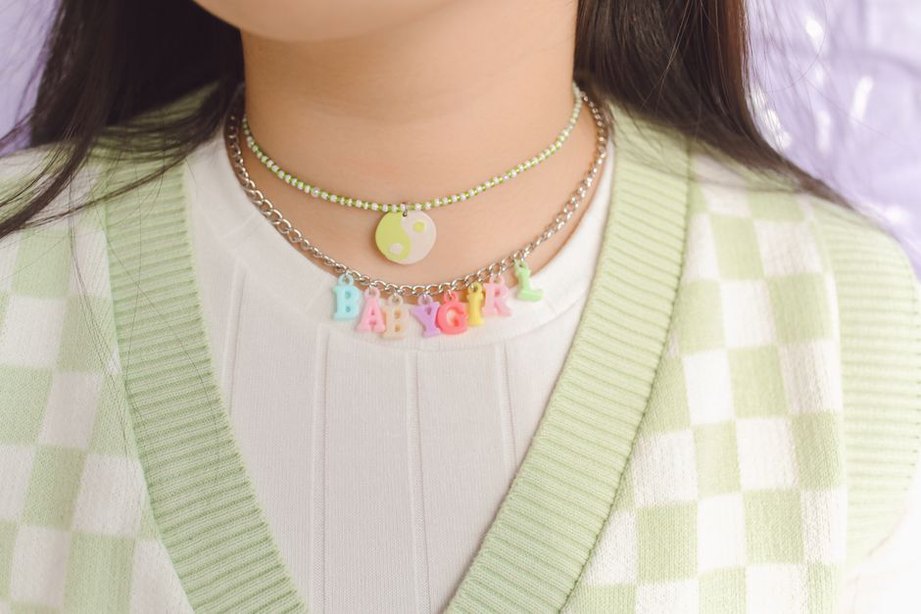
The yin yang symbol represents complementary forces—light and shadow, stillness and movement, feminine and masculine. In hair accessories, this duality translates into a claw that works with both sleek and tousled styles. The visual weight of the two halves draws the eye and creates a focal point, making the claw itself a statement rather than a mere functional tool. This is not a clip meant to disappear into the hair; it is meant to be seen and contemplated.
British designers of the period often paired the yin yang with other motifs—floral engravings, geometric borders, or subtle metallic accents. A claw that combines the symbol with a mother-of-pearl inlay, for example, adds a layer of organic texture to the philosophical message. The Periwinkle Mother‑of‑Pearl Scallop Claw Clip demonstrates how a natural material can elevate a simple form; a yin yang claw with similar detailing becomes a conversation piece that bridges East and West, vintage and modern.
Identifying Authentic Vintage Pieces
Authenticating a yin yang hair claw requires attention to several markers. First, examine the hinge mechanism. Vintage claws from the 1960s and 1970s typically use a metal spring coil wrapped around a metal pin, often with a small decorative cap on each end. The spring should be firm but not stiff, and the metal should show signs of age—a slight tarnish or patina, not a uniform shine. Second, look at the teeth of the claw. Well-made vintage pieces have teeth that are rounded at the tips and slightly flexible. Brittle or sharp teeth indicate poor material quality or age-related degradation.
The colouring method also provides clues. Hand-painted yin yang sections often show tiny brush strokes or slight unevenness in the paint application, especially near the edges. Machine-painted or printed designs appear too uniform and lack the subtle depth of handwork. On some premium vintage claws, the two colours are achieved by laminating two different-coloured sheets of acetate together before cutting and shaping, resulting in a seamless transition that neither paint nor printing can replicate.
Styling the Yin Yang Hair Claw Today
Incorporating a yin yang claw into a modern wardrobe requires a light touch. The symbol carries strong visual weight, so letting it stand alone—without competing patterns or excessive accessories—produces the most elegant result. A low chignon secured with the claw, with the yin yang positioned at the nape of the neck, creates a quiet statement that suits both office and evening wear. For a more playful look, the claw can hold a half-up style, with the symbol placed just above the ear, peeking out from behind a wave of hair.
The colour palette of the outfit matters. Because the yin yang claw relies on contrast, wearing it against a monochrome outfit—a black turtleneck, a white blouse, or a grey wool dress—allows the design to pop without visual noise. For those who prefer colour, a single strong hue, such as a deep red or navy, provides a backdrop that complements rather than overwhelms the black-and-white motif.
Materials and Craftsmanship
The materials used in vintage yin yang claws reflect the manufacturing techniques of mid-century Britain. Cellulose acetate remained the dominant material for hair accessories until the 1980s, prized for its durability, lightweight feel, and ability to take on rich colours. The production process involved heating sheets of acetate, pressing them into moulds, and then hand-finishing the edges. This method gave each piece slight variations in thickness, colour density, and surface texture, making every claw unique.
Some high-end examples incorporated mother-of-pearl inlays or abalone shell fragments into the yin yang design, adding iridescence and depth. These pieces are rarer and command higher prices among collectors. The Pink Lottie Hair Claw exemplifies how a single colour can be elevated through material choice; a yin yang claw with shell inlay achieves a similar effect, where the interplay of light across the surface becomes part of the design.
Care and Preservation
Cellulose acetate is sensitive to heat and humidity. A yin yang claw stored in a hot car or near a radiator may warp or develop a white haze on the surface. To preserve the piece, store it in a cool, dry place away from direct sunlight. A fabric-lined jewellery box or a small cotton pouch works well. Avoid exposing the claw to hairspray, perfume, or styling products, as the chemicals can react with the acetate and cause discolouration.
Cleaning should be gentle. A soft, dry cloth is sufficient for removing dust. If the claw needs deeper cleaning, use a slightly damp cloth with plain water—no soap, alcohol, or abrasive cleaners. Pat the claw dry immediately. For hand-painted designs, extra care is needed around the painted areas; rubbing too vigorously can lift the paint. If the metal spring becomes stiff, a tiny drop of mineral oil on the hinge pin can restore smooth movement, but wipe away any excess to prevent staining the acetate.
Collecting with Intention
Building a collection of yin yang hair claws offers a focused way to explore British vintage accessories. Because the motif is specific, it naturally limits the scope, encouraging deeper research into each piece. Start by familiarising yourself with the common colour combinations—black and white, navy and cream, brown and ivory—and then look for unusual variants, such as a claw with a subtle gold metallic border or one where the yin yang is rendered in textured enamel.
Check charity shops, vintage fairs, and online marketplaces with a clear idea of what you are seeking. Bring a small magnifying glass to inspect details, and always ask the seller about the piece's history if possible. A claw that comes with a story—bought at a boutique in Chelsea in 1968, worn to a concert at the Royal Albert Hall—carries a different energy than one found anonymously in a job lot. Document your finds with photographs and notes; over time, this record becomes a valuable reference for identifying patterns in design and production.
For those new to collecting, the yin yang hair claw is an accessible entry point. It is distinctive enough to be recognisable, yet varied enough to sustain interest across many years. Each claw represents a moment in British fashion when Eastern philosophy met Western craftsmanship, and when a simple clip could carry a universe of meaning.