
Three Pillars of Vintage Hair Accessories: Product, Wave, and Colour
If you've spent any time collecting vintage hair accessories from Britain, you've probably noticed that the magic lives in three interlocking details: the product itself, the wave of the hair it was designed for, and the colour of the material. These three pillars—product, wave, colour—are what separate a merely old accessory from a truly wearable piece of history. In this seventh instalment of our series, we look at how these elements converge in specific, lesser-known pieces that deserve a place in your wardrobe.
Why the Product Matters Beyond the Obvious
Most collectors start with the most recognisable forms: the tortoiseshell comb, the velvet bow, the metal barrette. But the real depth of a collection comes from understanding why certain products were made for specific hair types and social occasions. A heavy metal slide clip, for instance, was never intended for fine, straight hair—it would slip right off. It was engineered for the dense, waved hair of the 1940s, when women set their hair in pin curls and needed a clip that could grip without damaging the set.
One product that embodies this engineering is the six-wave comb, a piece that gained popularity in the 1950s. Its long, curved prongs were designed to anchor into a deep wave, holding the hair securely while the decorative top sat flush against the head. If you find one with a maker's mark from a Birmingham silversmith, you have a piece that was likely sold in a high-street department store like Selfridges or Harrods. The metal is often sterling silver or silver plate, and the back is stamped with a date letter that tells you the exact year of manufacture.
Another product category that collectors often overlook is the snap clip—the small, spring-loaded barrette that became ubiquitous in the 1960s. Unlike the heavy metal pieces of earlier decades, snap clips were lightweight and mass-produced in colourful plastics. They were sold in packs of three or four, often with matching earrings, and were designed for the bobbed or chin-length cuts that were fashionable at the time. The spring mechanism is delicate, and many surviving examples have lost their tension, so always test the snap before purchasing.
Reading the Wave: A Practical Guide
The term “wave” in our series refers not to the ocean but to the texture and set of the hair that the accessory was made to complement. British hair accessory manufacturers in the mid-twentieth century were remarkably precise about this. A product labelled “for medium waves” would have a different grip and curvature than one labelled “for tight curls” or “for straight hair.”
Here is a quick reference table based on common vintage packaging and trade catalogues:
| Wave Type | Typical Product | Material | Era |
|---|---|---|---|
| Deep Marcel wave | Side combs, long-pronged clips | Celluloid, silver, horn | 1920s–1930s |
| Finger wave (shallow) | Small barrettes, bandeaus | Metal, enamel, silk | 1920s–1940s |
| Pin-curl wave (medium) | Six-wave combs, snap clips | Sterling silver, plastic | 1940s–1950s |
| Loose wave (1960s bouffant) | Wide-tooth combs, scrunchies | Acetate, fabric, tortoiseshell | 1960s–1970s |
When you hold a vintage accessory in your hand, look at the curve of the prongs or the shape of the clip. A flat barrette will not stay in hair that has volume, and a deeply curved comb will look awkward in straight, sleek hair. Matching the wave of the accessory to your own hair texture is the difference between a piece that feels like a costume and one that feels like it was made for you.
Colour as a Historical Marker
Colour in vintage hair accessories is rarely arbitrary. The dyes and materials available at the time tell a story of manufacturing constraints, fashion trends, and even global trade routes. In the 1930s, for example, the most common colours for celluloid combs were tortoiseshell, black, and a deep mahogany red. These were stable colours that did not fade under the heat of the curling iron. By the 1950s, pastel shades—pink, mint, baby blue—became popular as new synthetic dyes entered the market. These colours were often used for the plastic snap clips and fabric-covered bands that were sold in Woolworths and Boots.
One particularly interesting colour is “eau de nil”—a pale greenish-blue that appears in many British accessories from the late 1940s. It was a fashionable colour in interior design and clothing of the period, and it translated beautifully into acetate and enamel. If you find a comb or barrette in this shade, you have a piece that was likely made between 1947 and 1952, when the colour was at its peak popularity.
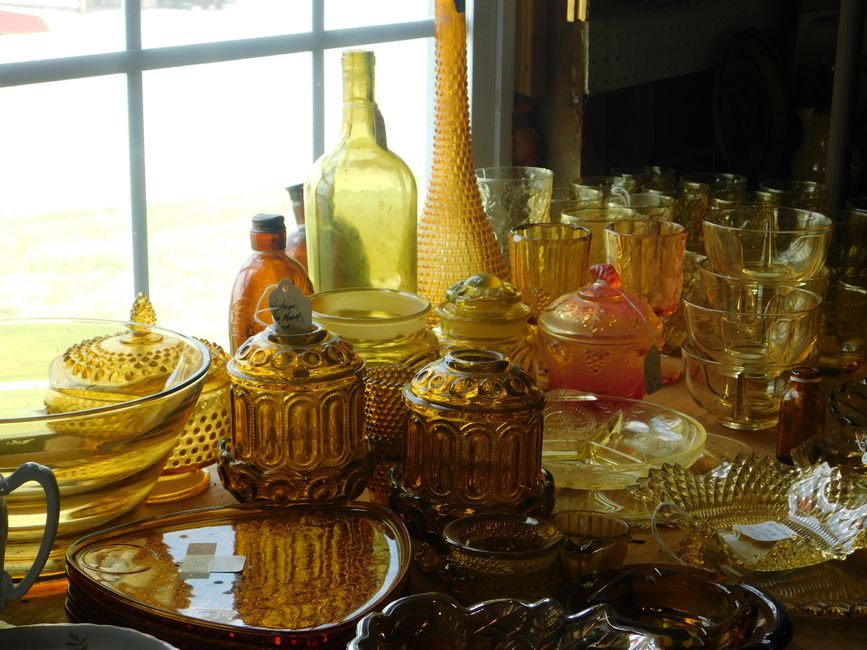
Another colour marker is the use of “amber” in bakelite and later plastics. Amber-coloured accessories were often marketed as “tortoiseshell” even when they were synthetic, because the warm, translucent brown was associated with luxury. True vintage tortoiseshell (made from the shell of the hawksbill turtle) was banned in the UK in the 1970s, so any piece labelled “tortoiseshell” after that date is almost certainly plastic. That does not diminish its collectability—it simply changes its story.
Pairing Vintage Products with Modern Waves
One of the most rewarding aspects of collecting vintage hair accessories is wearing them today. But a piece from the 1950s will behave differently on your hair than it did on its original owner's. Modern hair is often cleaner and less textured than mid-century hair, which was set with lotions and heated rollers. A vintage silver comb that once held a firm wave may slide out of your hair if you have not used any product.
A practical workaround is to use a small amount of dry texture spray or a light mousse on the section of hair where the accessory will sit. This gives the prongs something to grip without making the hair sticky or stiff. For fabric accessories like velvet scrunchies, the opposite is true—they work best on hair that is slightly silky, because the velvet itself provides grip. If your hair is too textured, the scrunchie may catch and pull.
One piece that bridges the gap between vintage and modern with ease is the Maison Archives scrunchie. Its fabric and construction echo the quality of 1960s haberdashery, yet its elastic is strong enough for daily wear. You can read more about its design and history in the article Maison Archives Scrunchie 2: A Vintage British Hair Accessory.
How to Care for Coloured and Metallic Accessories
Colour stability is the biggest challenge for vintage hair accessories. Plastic and celluloid pieces can fade if exposed to direct sunlight for long periods. Store them in a drawer or a fabric-lined box, away from windows. Silver pieces will tarnish, but that is easy to reverse with a gentle silver cloth—never use a dip cleaner, as it can remove the patina that collectors value.
For fabric-covered accessories, such as velvet or silk bands, avoid getting them wet. If they become dusty, use a soft, dry brush (a clean makeup brush works well) to lift the dust from the fibres. Never soak a fabric accessory, as the glue or stitching inside may degrade.
One accessory that requires particular attention is the Nina headband, a classic British design from the 1960s that features a metal core wrapped in fabric. The metal can corrode if exposed to moisture, so always wipe it dry after wearing. A detailed collector's guide to this piece is available in The Nina Headband: A Collector's Guide to British Vintage Hair Accessories.
Building a Collection by Colour Wave
If you are new to collecting, consider focusing on one colour family across different decades. A collection of blue accessories, for example, can include a deep navy velvet bow from the 1940s, a powder-blue plastic snap clip from the 1950s, and a turquoise enamel barrette from the 1960s. Displayed together, they tell a story of how blue was interpreted through changing materials and manufacturing techniques. The same approach works for green, pink, or tortoiseshell tones.
When you buy a piece, note the colour name on the original packaging if it is still present. Terms like “coral blush,” “sky blue,” and “moss green” were used inconsistently between manufacturers, but they give you a starting point for dating and authenticating the piece. Over time, you will develop an eye for the subtle differences between a true 1930s tortoiseshell and a 1970s reproduction.
The final piece of advice is to handle every accessory with clean, dry hands. The oils from your skin can accelerate the breakdown of old plastics and the tarnishing of metal. If you wear a piece often, give it a gentle wipe with a soft cloth before returning it to storage. With care, these small objects will continue to bring beauty and history into your daily life for many years.