
Five Star-Coloured Vintage Hair Accessories: A Collector’s Guide
The star motif has twinkled through British hair accessory design for over a century, yet its appeal never dims. Unlike the seasonal snowflake or the sinuous snake, the star offers a geometric purity that works equally well on a 1920s Art Deco bandeau, a 1950s cocktail comb, or a 1970s enamel clip. What makes a star truly sing, however, is colour. A gilt star reads regal; a cobalt one feels cool and modern; a cherry-red star winks with playful retro energy. In this guide we examine five distinct colourways of vintage star-shaped hair accessories, each representing a different era, material, and styling philosophy. Whether you are building a collection or simply looking for one perfect piece to anchor a modern outfit, these five stars will light your way.
1. Gold Star Combs: The Art Deco Legacy
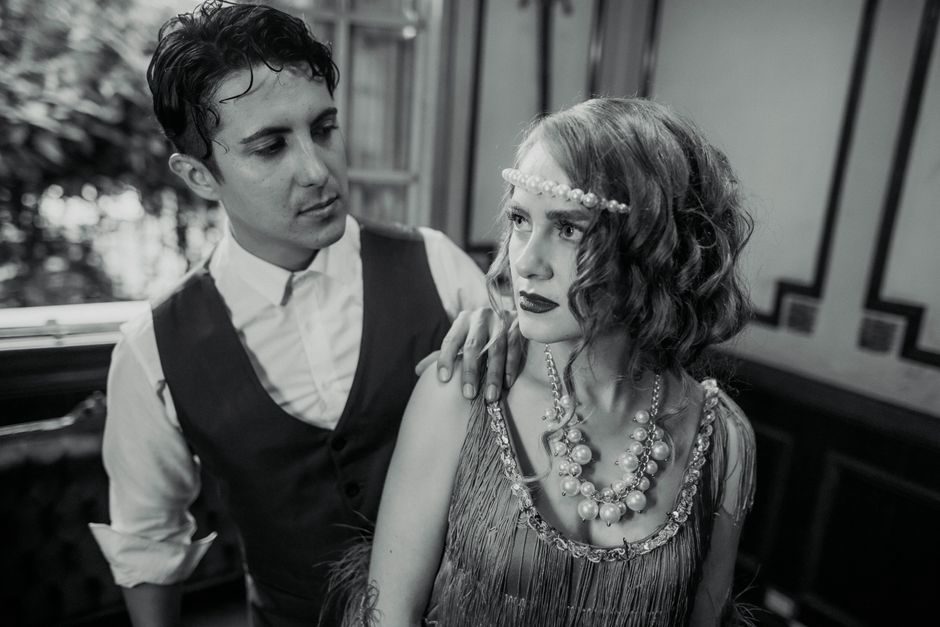
Gold-toned star combs from the 1920s and 1930s are among the most sought-after vintage hair accessories in Britain. Typically stamped from brass or silver-plated metal and then gilded, these combs feature five-pointed stars arranged in a fan or clustered around a central stone (often a paste ruby or emerald). The colour gold was not arbitrary: it echoed the sunburst motifs of the Jazz Age and complemented the bobbed hairstyles that demanded visible ornamentation. To wear a gold star comb today, slide it into a low chignon or a side-swept twist. The warm gleam catches light without overwhelming a neutral modern wardrobe—think cream silk blouse, dark indigo jeans, and a tailored blazer. For care, wipe gently with a soft, dry cloth after each wear; avoid contact with hairspray or perfume, which can dull the gilding.
2. Silver Star Barrettes: Mid-Century Minimalism
By the 1950s, British hair accessory makers embraced silver-toned metals—often rhodium-plated or sterling silver—for star barrettes. These pieces tend to be smaller and more delicate than their Art Deco predecessors, with stars cut out of solid metal or set with tiny marcasite chips. The colour silver brought a cool, understated elegance that suited the structured hairstyles of the era: French rolls, pompadours, and sleek ponytails. A silver star barrette works beautifully as a single statement piece at the temple, or clustered in a constellation on a half-up style. Keep silver stars from tarnishing by storing them in an anti-tarnish pouch or a sealed plastic bag with a silica gel sachet. If they do darken, a gentle polish with a jewellery cloth (not a liquid cleaner) will restore their lustre.
3. Red Star Enamel Clips: 1960s Pop Art Flourish
The 1960s brought a riot of colour to British hair accessories, and red star enamel clips are among the most joyful survivors of that era. Made by firms such as Corocraft and Adèle, these clips combine a brass base with a glossy, fire-engine-red enamel finish. The star shape was often paired with a contrasting centre—a white enamel circle or a rhinestone—to create a pop-art effect. The colour red signalled confidence and a break from post-war austerity. To integrate a red star clip into a contemporary outfit, treat it as the focal point: a simple white shirt, black trousers, and a red lip echo the clip’s boldness without competing. Enamel is durable but can chip if dropped; inspect the edges before purchase and avoid bending the clip’s hinge. Clean with a barely damp cotton bud, then dry immediately.
4. Blue Star Hair Pins: The 1970s Celestial Trend
Blue star hair pins from the 1970s often appear in shades of lapis lazuli, cobalt, or midnight blue, achieved through anodised aluminium or painted resin. These pins were part of a broader celestial trend that included moon-and-star motifs, often sold in sets of three or five. The colour blue evoked the night sky and paired naturally with the era’s flowing maxi dresses, denim jackets, and ethnic prints. Today, a blue star pin can be tucked into a messy bun or used to secure a silk scarf tied around a ponytail. Because many 1970s pins are made from lightweight aluminium, they are comfortable to wear for hours. However, the colour coating can scratch; store each pin separately in a fabric-lined box or a soft pouch to prevent contact with other metal accessories.

5. Green Star Hair Clips: A Nod to Nature
Green star hair clips are less common than gold or red, which makes them a treasure for collectors. The shade ranges from deep forest green (often in bakelite or celluloid from the 1930s) to bright emerald (in 1980s resin and enamel). The colour green connects the star motif to the natural world, offering a subtle, organic feel that works especially well with floral prints and earthy tones. For a modern British wardrobe, a green star clip can add a quiet accent to a tweed blazer or a cashmere jumper. If you are drawn to this colour, you might also appreciate the understated elegance of a leaf-shaped accessory—our guide to The Green Leaf Hair Clip: A Vintage British Icon explores a similar aesthetic in a different silhouette. Care for green celluloid or bakelite clips by keeping them away from direct sunlight and heat, which can cause discolouration or warping. Resin versions can be wiped with a damp cloth, but never soaked.
Materials and Techniques: How Stars Were Made
Understanding the craftsmanship behind these five colour families deepens your appreciation. Stars were typically die-stamped from sheet metal (brass, copper, or aluminium) and then finished with plating, enamel, or paint. The most labour-intensive technique was champlevé enamel, where cells were carved into the metal base, filled with powdered glass, and fired at high temperatures. This method produced the vivid, durable colours seen on many mid-century clips. Less expensive pieces used cold enamel (a type of epoxy) or simply painted the star shape. For collectors, the presence of a maker’s mark—such as “Made in England” or a small stamp from a known firm like S. Blanckensee & Son—adds provenance and value. Always examine the reverse of a clip for such marks; they are tiny windows into the piece’s history.
Choosing and Caring for Your Star Accessory
When selecting a vintage star hair accessory, prioritise condition over colour: check that the clasp or hinge works smoothly, that the enamel or plating is intact, and that the metal is not bent. Try the piece in your hair before committing—some 1920s combs are designed for very short hair, while 1960s clips often have stronger springs that can hold thick sections. For cleaning, a gentle approach is always best. A soft toothbrush dipped in mild soapy water can remove grime from intricate settings, but rinse and dry immediately. Never use abrasive polishes or ultrasonic cleaners on enamel or plated pieces. Store your stars in a dedicated jewellery box with compartments, or wrapped individually in acid-free tissue paper. With proper care, these colourful little constellations will continue to sparkle for decades.
One final practical note: if you are building a wardrobe around a particular star colour, consider how it interacts with the metals and stones in your other accessories. A gold star comb pairs naturally with warm-toned jewellery (amber, tortoiseshell, brass), while a silver star barrette complements cool tones (pearl, hematite, stainless steel). Red and blue stars are versatile enough to bridge both camps, but green stars—especially the deeper forest shades—tend to harmonise best with gold or bronze accents. By choosing a star in a colour that resonates with your personal palette, you create a cohesive vintage-inspired look that feels intentional rather than costume-like.