
Star Hair Accessories: Vintage Colours, Materials & Styling
The star motif in British hair accessories first appeared in the mid-Victorian era, often hand-cut from black jet or carved from tortoiseshell. By the 1920s, Art Deco jewellers transformed stars into geometric wonders, and the 1950s brought playful pastel enamel stars that still surface in charity shops today. Whether you collect for the sparkle or the history, understanding the interplay of products, stars and colours will sharpen your eye and deepen your appreciation.
Early Stars: Victorian and Edwardian Craftsmanship
The first star hair clips in Britain were painstakingly handmade. Mid-19th-century examples used black jet—a fossilised wood from Whitby—and were often shaped as five-pointed stars with a central carved flower. Colour was limited to black, dark brown, or deep burgundy. Edwardian pieces switched to fine silver or brass, sometimes with a thin layer of gold plating. The stars were small—barely two centimetres across—and designed to sit quietly on a high Edwardian updo. Genuine Victorian star clips feel heavier than they look; the back of the clip has a simple lever mechanism that still works on thin hair.
Art Deco and the Colour Explosion
In the 1920s and 1930s, the star silhouette became bolder. British manufacturers produced large, openwork stars in silver and chrome, often set with paste stones or synthetic sapphires. Celluloid—an early plastic—allowed for bright colours: emerald green, ruby red, and a milky ivory that imitated real horn. The most sought-after Deco stars combine two materials: a metal frame with a celluloid centre. The colours were chosen to complement the tubular dresses and cloche hats of the era. Pale pink and sky blue celluloid stars are especially rare because they faded quickly in sunlight.
Post-War Pastels and Rhinestones
The 1950s brought a new enthusiasm for feminine accessories. Star barrettes and clips became bigger—some as wide as eight centimetres—and were often moulded from coloured acetate or bakelite. The palette turned pastel: baby pink, mint green, butter yellow, and lilac. Many pieces were topped with a single rhinestone at the centre. A well-preserved 1950s star barrette still has a crisp, glossy surface; any dullness or white chalkiness indicates heat damage, which is irreversible. These pastel stars pair beautifully with modern silk blouses or a simple cashmere jumper, bridging the gap between vintage charm and contemporary wardrobe staples.
Metallic Stars of the 1960s and 1970s
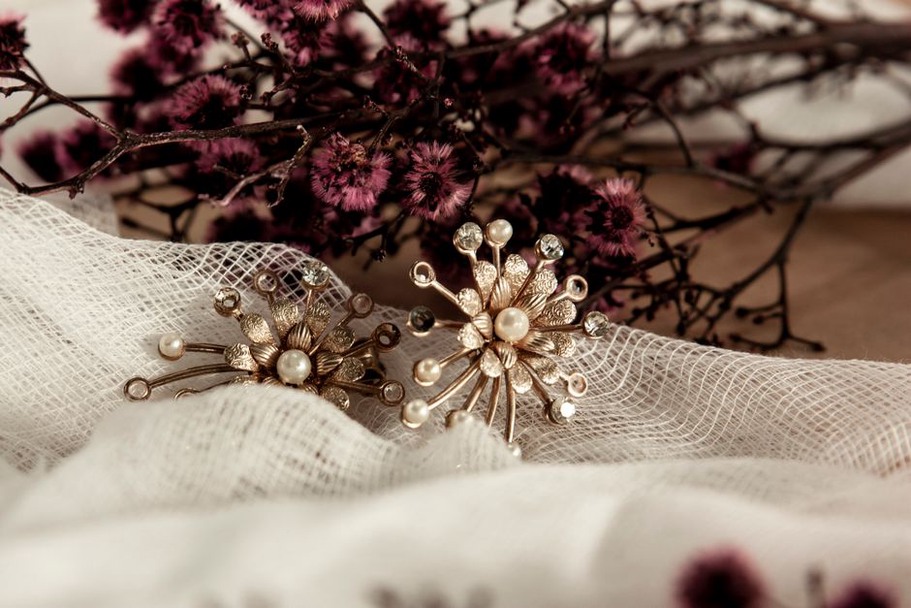
The Swinging Sixties turned stars into fashion statements. British brands like Grafton and Corocraft produced large, polished silver stars that clipped onto the side of a bob or a beehive. Colours shifted to high-contrast: black enamel with gold edges, white ceramic stars with red centres, and matte brass that caught the light without being flashy. In the 1970s, ethnic influences brought copper and multi-coloured beadwork stars, often imported from India but sold in Carnaby Street boutiques. The finish is key: authentic 1960s silver stars tarnish evenly, while later copies often flake or discolour in patches.
How to Identify Authentic Vintage Star Clips
When hunting for star accessories, pay attention to the backing. Genuine vintage clips use a spring-loaded metal mechanism that makes an audible snap when opened. The hinge is usually steel or brass, not aluminium. Look for maker’s marks: small stamps reading “Made in Britain”, “Birmingham”, or a patent number. The colour should be even; if you see brushstrokes or dripping paint, it is likely a 1980s reproduction. Use a microfibre cloth to test the surface—if colour rubs off onto the cloth, the enamel is degrading and will not last.
Caring for Coloured Star Accessories
Each material demands different care:
- Bakelite and celluloid: Wipe with a soft, dry cloth. Never use alcohol or acetone; they dissolve the finish. Store away from heat and direct sunlight.
- Enamel and painted metal: Clean with a slightly damp cotton bud, then dry immediately. Do not soak. Reapply a thin coat of clear nail polish to edges where enamel has chipped—this stabilises the piece.
- Silver and gold-plated stars: Polish with a dedicated jewellery cloth. Avoid silver dip unless the stone settings are sealed, as liquid can loosen paste stones.
- Plastic acetate: Wash with mild soap and cool water, then pat dry. Acetate warps in heat, so never leave a clip on a radiator or in a car on a summer day.
Styling Vintage Stars with Modern Outfits
A single 1950s pastel star clip placed on the temple adds a whisper of vintage to a modern high ponytail. For evening wear, a pair of Deco silver stars can anchor a low chignon. Mixing periods works well: a geometric 1930s star in silver looks unexpectedly modern with a sharp blazer, while a 1970s copper star warms up an all-black outfit. When wearing clips in fine hair, avoid heavy metal backs; choose celluloid or acetate which are lighter and grip without slipping. If you need extra hold, insert the clip over a small section of hair that has been backcombed lightly.
Where to Look and What to Avoid
The best finds occur in quiet charity shops in British coastal towns, where older ladies have donated their costume jewellery decades ago. The London markets—Portobello Road, Spitalfields, and Bermondsey—have dedicated vintage booths, but prices are higher. Avoid any clip that has a visibly rusty hinge; rust spreads and stains hair. Skip pieces with a chemical smell (a sign of degrading celluloid). Finally, beware of “vintage-style” stars sold as authentic; check for a modern patent number or “China” stamp. Authentic British star clips are stamped with a British hallmark or simply have no country mark at all.
A Final Practical Note
When examining a potential purchase, hold the clip up to natural light: genuine 1930s celluloid star clips show a subtle amber glow along the edges, a detail that plastic reproductions rarely replicate. That tiny glow is your guarantee of age, and your key to a star that has outshone nearly a century of fashion.