
The Lost Colours of British Spring: A Vintage Hair Clip Collector’s Guide
The first primroses pushing through damp soil, the sharp green of new nettles, a single cherry blossom unfurling against a grey sky — these are the colours that British spring has whispered into hair accessories for generations. When we talk about spring bloom hair clips, we are not reaching for a generic pastel palette. We are talking about specific, historically rooted shades that emerged from the dye vats of the 1930s, the enamel workshops of the 1950s, and the acetate presses of the 1960s. Understanding these colours transforms a simple clip from a pretty trinket into a wearable piece of seasonal history.
The Colour Language of British Spring
Spring in Britain is not the brash, saturated bloom of Mediterranean gardens. It is a quieter affair — misty, mutable, and deeply tied to the light. Vintage hair clip manufacturers understood this instinctively. The colours they chose for spring collections were never accidental. They mirrored the natural progression of the season: the pale lemon of early daffodils, the soft mauve of crocuses, the blush pink of apple blossom, and the tender green of beech leaves unfurling. These hues appear repeatedly in clips from the 1940s through the 1970s, executed in materials that ranged from casein plastic to hand-painted enamel on brass.
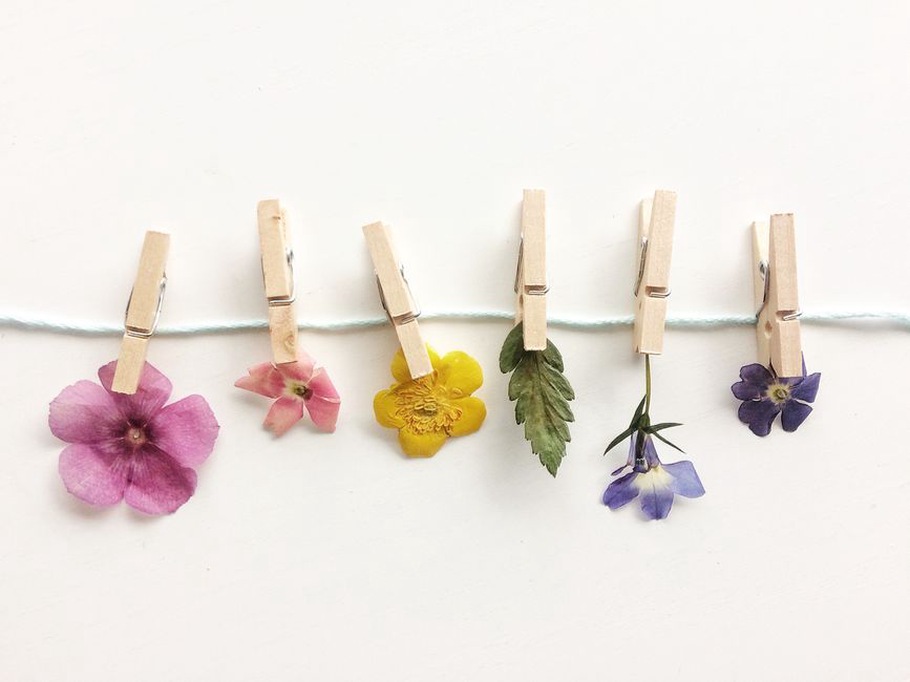
A Decade-by-Decade Look at Spring Bloom Colours
1940s: Utility Blooms
Wartime restrictions meant that colour was a luxury, but spring still found its way into hair accessories through restrained, optimistic shades. Pale primrose yellow and muted lavender were common in Bakelite and early cellulose acetate clips. These pieces were often small — barrettes no longer than two inches — and the colour was the main ornament. A single daisy motif in cream on a pale green ground could lift a whole outfit. The austerity of the era gave these colours a quiet power; they were not frivolous but deliberate.
1950s: Enamel and Optimism
The 1950s brought a riot of new materials and techniques. Enamel work on metal hair clips reached its peak, with spring collections featuring intricate floral motifs in cherry blossom pink, forget-me-not blue, and buttercup yellow. The most sought-after pieces today are those with hand-painted details — each petal carefully shaded. Colours became bolder but remained grounded in nature. A clip shaped like a cluster of violets might use deep purple enamel for the petals and bright green for the leaves, all set on a gold-tone base. These pieces were made to be seen, yet they never lost the delicate balance of a real flower.
1960s: Acetate and the Pop Spring
The 1960s turned spring colours up a notch. Acetate hair clips in translucent shades of coral, lime, and sky blue became popular, often moulded into abstract floral shapes or simple geometric petals. The colours were more synthetic, but they still echoed the season — a bright orange clip might be called “Tiger Lily”, a hot pink one “Azalea”. These pieces are lighter and more playful, and they pair surprisingly well with modern minimalist outfits. The key is to choose one strong colour and let it be the focal point.
Five Essential Spring Bloom Colours for the Vintage Collector
- Primrose Yellow — A soft, buttery shade that appears in both Bakelite and early acetate. It is the colour of early spring light. Look for it in small barrettes and snap clips from the 1940s.
- Cherry Blossom Pink — A delicate, slightly cool pink that was a favourite for enamel work in the 1950s. Often paired with white or pale green in floral motifs.
- Lavender Grey — Not quite purple, not quite grey — this elusive colour was used in casein plastic clips in the 1930s and 1940s. It mimics the haze of a spring morning.
- Apple Green — A fresh, yellow-green that appears in leaf motifs and as a background colour in acetate clips from the 1960s. It is surprisingly versatile with navy, cream, and denim.
- Forget-Me-Not Blue — A tiny, intense blue that was popular in mid-century enamel clips. It works beautifully as an accent colour in a cluster of flowers.
Styling Spring Bloom Clips with a Modern Wardrobe
The beauty of these vintage colours is that they were designed to complement the muted tones of British tweed, wool, and cotton. A primrose yellow clip from the 1940s looks just as right against a cream linen shirt today as it did seventy years ago. For a contemporary twist, try pairing a cherry blossom pink enamel clip with a charcoal grey cashmere sweater — the contrast brings out the warmth in the pink. Lavender grey clips work wonderfully with olive green or dusty rose, creating a tonal palette that feels both vintage and current.
If you own a silk bow barrette in a spring hue, treat it with care. For those who prefer a softer silhouette, the Imogen Silky Bow Barrette, available in muted spring tones, offers a delicate alternative that sits beautifully in fine hair. The key is to let the colour lead — choose one clip that contains the bloom shade you love, and build your outfit around it. A single clip can anchor a whole look.
Caring for Spring-Coloured Vintage Clips
Colour is the most vulnerable aspect of a vintage hair clip. Sunlight fades Bakelite and acetate unevenly, turning primrose yellow into a washed-out cream. Store your spring bloom clips away from direct light, preferably in a fabric-lined box. Enamel can chip, so handle clips over a soft surface. If a clip needs cleaning, use a barely damp cotton bud — never soak it. The colour is the soul of the piece; protect it, and it will keep whispering spring for decades to come.
When shopping for spring bloom clips, examine the colour carefully under natural light. Look for even saturation, especially in plastic pieces. A clip that has faded on one side only may have been displayed in a shop window for years — it still has charm, but its colour story is no longer complete. For the collector, a clip in original, unfaded condition is a treasure.
Spring blooms in hair clips are not just about the season. They are about capturing a particular light, a particular shade of hope that appears only for a few weeks each year. Wearing a primrose yellow barrette in November is a quiet act of rebellion — a reminder that colour carries memory. Choose your spring bloom clip with the same care a gardener chooses a bulb, and it will reward you with years of quiet, blooming joy.