
Snowflake Hair Accessories: A Vintage British Winter Tradition
Snowflake motifs in British hair accessories have a quiet, almost secret history. Unlike the bold florals of the 1940s or the sculptural feathers of the 1920s, snowflakes appear sparingly, often in winter collections or as limited-run pieces from houses like Miro, Bettina, and Adèle. Yet when they do surface—on a tortoiseshell comb from the 1930s, a silver-toned slide from the 1950s, or a velvet-trimmed barrette from the 1970s—they carry a distinct charm that feels both festive and restrained. This is the essence of British winter dressing: a nod to the season without excess.
The snowflake as a decorative element entered mainstream British accessory design in the early 20th century, influenced by the Arts and Crafts movement’s love of natural geometry. Designers looked to frost patterns on windowpanes, the crystalline structure of actual snow, and the intricate lacework of winter frost. These were not cartoonish flakes but precise, almost architectural forms—six-pointed stars, branching dendrites, and hexagonal plates. The result was an accessory that felt modern and timeless at once.
Materials and Techniques: How Snowflakes Were Made
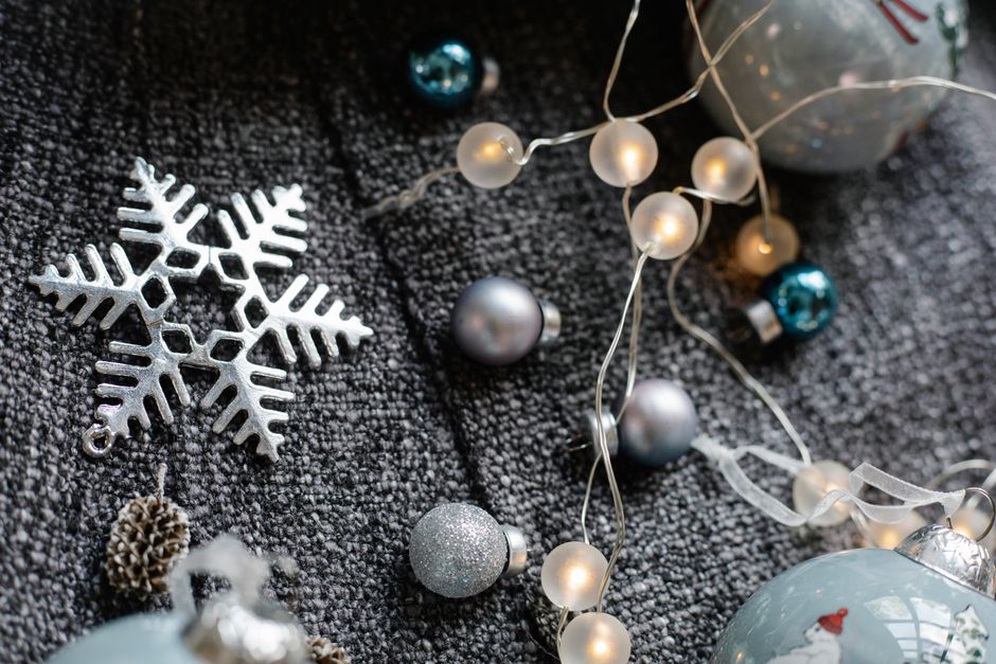
Early snowflake hair accessories relied on metalwork. Silver, silver plate, and later rhodium-finished alloys were stamped or hand-filed into delicate snowflake shapes. The most desirable pieces from the 1920s and 1930s used openwork—cut-out patterns that allowed light to pass through, mimicking the transparency of ice. A skilled craftsman could produce a comb with up to forty separate cut-outs, each one mirroring the next with near-perfect symmetry.
By the 1950s, manufacturers introduced plastic and resin snowflakes, often set with rhinestones or tiny pearls. These were lighter, more affordable, and easier to produce in volume. The Bakelite snowflake barrette became a popular Christmas gift, its warm amber or deep red tones contrasting with the cool snowflake motif. Later, in the 1970s, enamel work brought colour to the winter palette—pale blue, silver-grey, and white snowflakes appeared on clips and headbands, often paired with gold-tone settings.
One technique that collectors prize is cold enamelling, used by a handful of British manufacturers in the 1960s. Unlike fired enamel, cold enamel sets at room temperature, allowing for finer detail and a glass-like finish. Snowflakes made this way have a translucent quality that catches the light beautifully. If you find a vintage hair accessory with a snowflake motif that shimmers without glitter, it is likely cold enamel.
Iconic Silhouettes: Snowflakes Through the Decades
1930s: The Art Deco Snowflake Comb
Art Deco’s love of geometric repetition made the snowflake a natural fit. Combs from this era often feature a single large snowflake at the top, flanked by smaller matching flakes along the spine. The metal is almost always silver-toned, sometimes with a subtle hammered finish. These combs were designed to be worn low at the nape of the neck, securing a chignon or rolled bob. They are rare today, but when they appear at auction, they command attention.
1950s: The Rhinestone Snowflake Slide
The post-war years brought a lighter, more playful approach. Slides—long, flat barrettes that slip through a ponytail or French roll—became the canvas for snowflake designs. Clear rhinestones, set in silver or gold-tone metal, formed the six points of the flake, while a single larger stone marked the centre. These slides were often sold in sets with matching earrings or brooches, part of a coordinated winter wardrobe. The Imogen Silky Bow Barrette in Pink shares this era’s love of feminine sparkle, though its bow silhouette is distinctly different from the geometric snowflake.
1970s: The Enamel Snowflake Clip
The 1970s embraced colour and texture. Snowflake clips from this decade are often oversized, with thick enamel in white, ice blue, or pale lavender. The metal base is usually brass or gold plate, and the clip mechanism is a strong spring clamp. These were practical accessories, meant to hold thick hair in place during winter winds. They pair surprisingly well with modern Floral Maxi Dresses, adding a crisp, seasonal contrast to flowing floral prints.
How to Identify a Genuine Vintage Snowflake Accessory
Fakes and reproductions exist, but a few telltale signs separate the authentic from the modern. First, check the metal. Vintage silver or silver plate will show a patina—a gentle darkening in the crevices—that cannot be convincingly replicated. Second, examine the back of the piece. Hand-finished snowflakes often have small file marks or slightly irregular edges. Machine-made modern copies are too perfect. Third, look for hallmarks. British silver pieces from the 1930s and 1940s often carry a maker’s mark, a lion passant for sterling, or a date letter. Even unmarked pieces can be dated by the style of the clasp or clip—spring clips with a single hinge point are typically 1950s or later.
Styling Vintage Snowflakes with a Modern Wardrobe
The beauty of a snowflake hair accessory lies in its restraint. One piece is enough. A single Art Deco comb tucked into a low bun transforms a plain cashmere jumper and tailored trousers into something quietly special. A 1950s rhinestone slide worn with a silk blouse and dark jeans strikes the right balance between polish and ease. For evening, a 1970s enamel clip can anchor a side-swept wave, adding a touch of winter glamour without competing with statement jewellery.
Colour matters. Silver and white snowflakes work best with cool-toned clothing—navy, charcoal, pale grey, and icy pastels. Gold-toned or amber Bakelite snowflakes pair beautifully with earth tones: camel, forest green, and burgundy. If you are layering accessories, keep them minimal. A snowflake barrette with a simple leather headband—like the The Indiana Leopard Print Headband—creates an unexpected but harmonious mix of patterns, as long as the headband’s print is small-scale and the snowflake remains the focal point.
Care and Storage for Vintage Snowflakes
Snowflake accessories, especially those with metal components, require gentle handling. Store each piece separately in a soft pouch or a compartmented box to prevent scratching. For silver snowflakes, anti-tarnish strips or a dedicated jewellery cloth will slow oxidation. Enamel pieces should never be immersed in water; a damp cotton bud with mild soap is sufficient for cleaning the enamel surface, while the metal can be wiped with a dry cloth. Avoid ultrasonic cleaners—they can loosen stones or damage cold enamel.
If your snowflake accessory has rhinestones, check the settings periodically. Loose stones can be re-set by a jeweller who works with vintage pieces. Do not attempt to glue them yourself; improper adhesive can cloud the stone and damage the setting.
A Note on Winter Collections
Some British manufacturers released seasonal snowflake collections. Adèle, a London-based accessory house active from the 1920s to the 1960s, produced a limited snowflake line each November, typically in silver and mother-of-pearl. Bettina followed suit in the 1950s with a series of rhinestone slides. If you find a piece in its original box—often marked “Winter Collection 1954” or similar—its value increases significantly. The box itself is a collector’s item, and the combination of box and accessory tells a complete story of mid-century British retail.
One final detail: snowflake accessories were rarely mass-produced. Most were made in small batches, often by hand, and sold through department stores like Harrods, Liberty, and Selfridges. This scarcity is part of their appeal. Owning one means owning a small piece of British winter history—a fragment of frost preserved in silver, enamel, or resin, ready to be worn again.