
The Bottle Green Snake Barrette: A Vintage British Hair Treasure
The snake has coiled through British jewellery design for centuries, but its appearance as a hair barrette in bottle green enamel is a lesser-known treasure. Unlike the more common floral or geometric clips found in vintage collections, the serpent barrette carries a quiet symbolism – eternity, wisdom, and a touch of the mysterious. Bottle green, a deep, slightly dusky shade reminiscent of old glass and English hedgerows, gives it an understated elegance that sets it apart from brighter costume pieces.
A Serpent in the Hair: Historical Roots
Snake motifs in accessories were especially popular during the Victorian and Edwardian eras, often appearing in brooches, bracelets, and hair combs. The Victorians saw the snake as a symbol of everlasting love – Queen Victoria herself wore a serpent engagement ring. By the 1920s and 1930s, the motif had been adopted by modernist jewellers who streamlined the form into sleek, Art Deco barrettes. These hair accessories were not merely decorative; they held the hair securely while adding a subtle narrative. The bottle green colour, achieved through enamel or lacquered resin, was a favourite because it simulated the deep greens of natural gemstones like emerald and chrysoprase, but at a more accessible price point for the fashionable woman.
Bottle Green: A Colour with Character
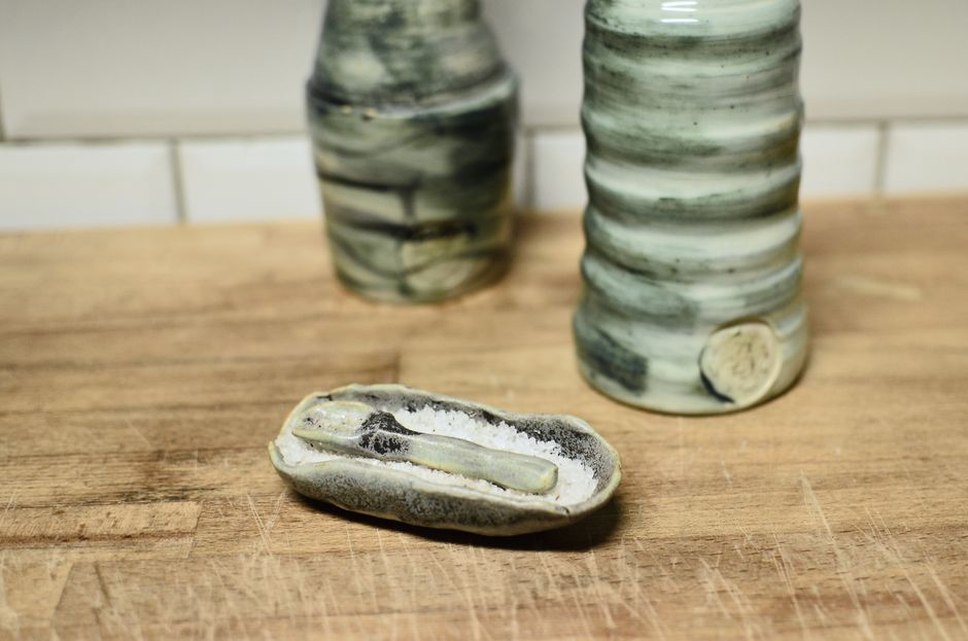
In British colour history, bottle green is a classic that appears in everything from military uniforms to country tweeds. It is not a bright emerald but a muted, warm dark green that pairs beautifully with navy, camel, and cream. For hair accessories, this shade offers versatility: it does not clash with blonde, brunette, or grey hair, and it adds a touch of heritage to any outfit. Many mid-century British houses – such as the long-established accessory makers like Gainsborough or Kirk & Randall – produced barrettes in this colour, often combining it with gilt metal details. The finish is typically glossy but can also be matte, depending on the era. Collectors look for signs of age: a slight patina on the metal, tiny cracks in the enamel that show authenticity, and the absence of modern plastic stamp marks.
The Making of a Miniature Heirloom
Creating a snake barrette in bottle green required skill. Most vintage examples were made of brass or nickel silver, then coated with enamel that was fired at high temperatures. The serpent's body was shaped into a gentle S-curve, occasionally with small beads for eyes. The clip mechanism – a spring-loaded hinged bar or a simple pinch clasp – was often marked with the manufacturer's stamp or the country of origin. Later, in the 1950s and 1960s, some British firms used a cellulose acetate resin to achieve the same colour, which is lighter and more flexible but more prone to scratches. Knowing the material helps you decide whether a piece is suitable for everyday wear or better kept as a collectible.
If you are searching for an authentic vintage bottle green snake barrette, learn to distinguish between genuine mid-century enamel and modern imitations. Genuine enamel has a depth and slight unevenness; mass-produced plastic looks flat and too uniform. Weight is another clue: metal-backed barrettes feel substantial, while plastic ones are noticeably lighter.
Wearing the Snake Today
The beauty of a classic barrette lies in its adaptability. A bottle green snake barrette can be a focal point in a low chignon or used to hold a side-sweep of hair. It works equally well with a crisp white blouse and tailored trousers as it does with a vintage cashmere twin set. For an edgier look, pair it with a dark trench coat and a red lip – the green will subtly echo the British countryside while the snake adds a hint of rebellion. Because the colour is deep, it does not compete with other accessories; you can wear it alongside a simple gold necklace or a pair of pearl studs.
For those who love the idea but want a more contemporary feel, many small British artisans now create new pieces inspired by vintage designs. They use modern hypoallergenic metals and hand-painted enamel in period-accurate shades. If you cannot find an original, a well-made reproduction can be just as charming and often more durable. Just ensure the seller provides clear information about the materials and production process. For more inspiration on colour palettes in vintage hair accessories, you might enjoy our collector’s guide to Products Finola Colours: A Collector’s Guide to a British Hair Accessory Palette, which explores how specific hues like bottle green appear across different designs.

Caring for Your Bottle Green Barrette
Enamel is glass, so it can chip if dropped. Store your barrette in a soft pouch or a compartmentalised jewellery box, away from other metal items that might scratch the surface. Avoid leaving it in direct sunlight for long periods – the colour can fade, especially in celluloid or resin pieces. To clean, gently wipe with a slightly damp cotton cloth; never use abrasive cleaners or alcohol. If the metal has tarnished, a soft silver polish cloth can be used carefully, but keep it away from the enamel. A barrette in good condition will last for decades more with a little attention.
When you find a bottle green snake barrette at a flea market or online, check the clasp. Vintage mechanisms sometimes become weak or rusted. A repair can be done by a skilled jeweller, but it is worth asking whether the piece is functional or purely decorative. Also examine the colour evenly – uneven fading might indicate a marriage of parts or a later repaint. True bottle green should be consistent across the serpent's body.